Money Tips Saving Secrets Nobody Tells You
Published: 8 Jun 2026
Introduction
Saving money sounds simple until you actually try to do it consistently. The intention is always there. The follow-through is what breaks down. And the reason it breaks down is rarely a lack of discipline. It is a lack of the right system.
The money tips and saving strategies that actually work are not about cutting out every enjoyable thing in your life. They are about removing the friction from good habits and adding friction to bad ones. When the right behavior becomes the easiest behavior, saving stops feeling like a struggle.
This article goes deeper than the standard advice. Each section covers a real and practical approach to keeping more of what you earn. Read it fully, and you will not need to look anywhere else.

1. Why Most People Never Manage to Keep Money Aside
Before looking at any technique, it helps to understand the real reason saving feels difficult for so many people. It is not laziness or irresponsibility. Our brains are wired to prefer immediate rewards over future ones. Spending feels good right now. The benefit of having savings only shows up later, sometimes much later. That gap makes willpower an unreliable tool.
This is why approaches that rely on discipline alone rarely last. A stressful week, an emotional day, or a single unplanned expense can break the entire plan. What actually works is removing the decision altogether. When your system saves for you automatically, you do not need motivation every single month.
Every money saving technique worth using is built around this principle. Make the good behavior automatic and the default. This is the core money saving technique that separates people who consistently build savings from those who never quite get there. Making spending beyond your plan requires extra steps. When saving is the path of least resistance, people actually save. This is the foundation behind every practical cash saving tip worth following. Keep this idea in mind as you read through the rest of this article because it connects everything.
2. Know Exactly Where Your Money Goes Each Month
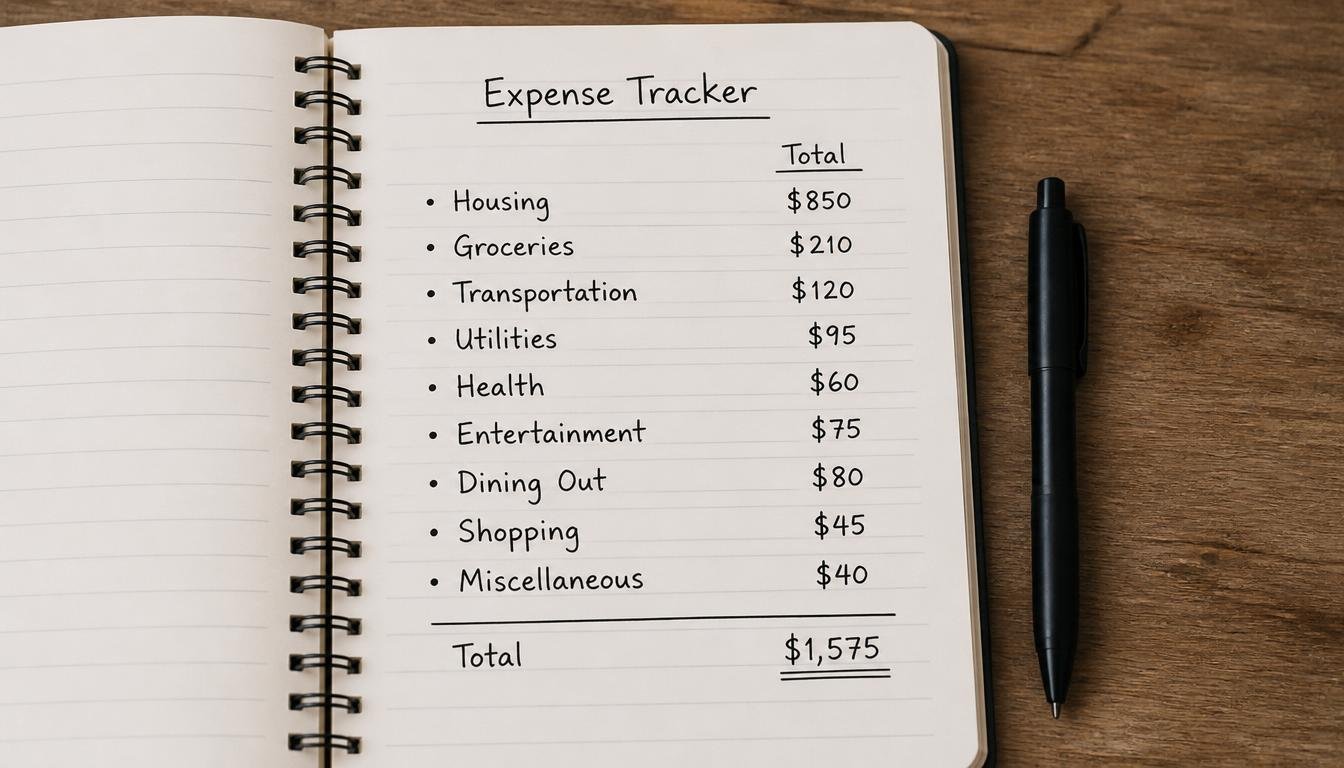
The single most important first step in any plan for saving money is tracking. Before you can improve your finances, you need an honest picture of what is actually happening with your income right now. Most people are genuinely surprised when they see the numbers laid out clearly.
Spend one full month recording every expense without judgment. Every grocery run, transport cost, online purchase, subscription charge, and small impulse buy. Group them into categories at the end of the month and total each one. What you find will likely reveal two or three areas where spending is significantly higher than you assumed. This exercise is not about guilt. It is about clarity. You cannot make good decisions about money you cannot see. Once you have a clear picture of where everything goes, you will know exactly where to make adjustments and how much you can realistically set aside each month. Tracking is the foundation that makes every other step in this guide actually work. It is also the first piece of money saving advice that every financial expert will give you, because nothing else is effective without it.
3. Pay Yourself First Before Every Other Expense
Here is one of the most powerful money tips that saving professionals consistently recommend, and it is deceptively simple. Instead of waiting to see what is left after expenses and then setting some aside, you move a fixed amount into savings the moment your salary arrives. You pay your future self before you pay anything else.
The key to making this effortless is automation. Set up a standing transfer from your main account to a dedicated savings account on payday. Even if the amount is modest, the habit builds consistently. Within a few weeks, your spending naturally adjusts to whatever remains, and you stop feeling the absence of the money that went straight to savings.
This is also the most reliable way to save money from your salary, regardless of how much you earn. People on modest incomes who automate saving often accumulate more over time than higher earners who rely on leftover savings. The amount matters less than the consistency. Start with whatever you can, even 5 or 10 percent, and increase it gradually as your income grows.
As a cash saving tip that works in every income situation, automation beats willpower every single time. Remove the decision, and the saving takes care of itself.
4. The Hidden Costs That Quietly Drain Your Account
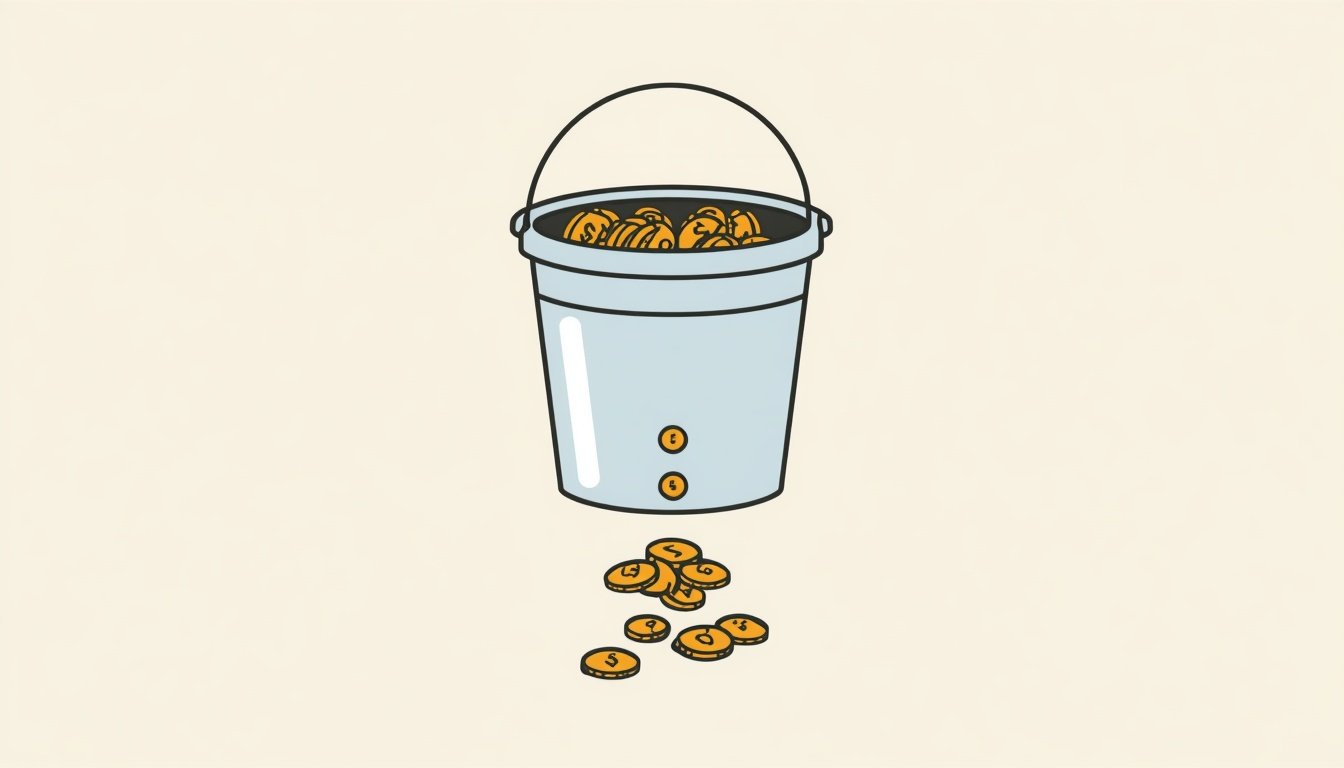
Some of the biggest obstacles to building savings are expenses so small and automatic that you barely register them. Forgotten subscriptions renewing every month. Convenience fees on deliveries and transactions. Bank charges. Late payment penalties. Each one feels negligible on its own, but together they represent a meaningful leak in your finances.
Go through three months of your bank and card statements and highlight every recurring charge. For each one, ask whether you are actively using it and whether it genuinely adds value to your life. Cancel everything that does not pass that test. This single exercise is one of the most practical cash saving tips because it frees up money you are already earning but currently throwing away.
Also, look at everyday spending patterns for small inefficiencies. Regularly paying full price for items that go on sale. Choosing brand names when unbranded versions are identical in quality. Using paid services when free alternatives exist. None of these changes feels like a sacrifice because they do not affect your quality of life at all. They simply redirect wasted money toward something better. Eliminating these charges is one of the most underrated cash saving tips available to anyone at any income level.
The best money saving advice is not always about earning more or cutting back on things you love. Sometimes it is simply about stopping the quiet leaks that drain you without giving anything back.
5. Build a Plan That Gives Your Savings a Real Purpose
Setting money aside without knowing what it is for is one reason people raid their savings whenever something appealing comes up. A clear plan for saving money solves this completely. When each amount you save is tied to something specific and meaningful, touching it becomes much harder emotionally and psychologically.
Start by listing what you are actually saving toward. An emergency fund covering three months of expenses. A down payment. A holiday. A child’s education. Each goal gets a name, a target amount, and a realistic timeline. Once those are in place, you can work backwards to figure out exactly how much needs to go aside each month to reach each one.
Keep your savings in separate accounts if possible, one for each major goal. Seeing your holiday fund and your emergency fund as distinct accounts makes your progress visible and prevents you from accidentally spending money that belongs to something important. It also makes the goals feel more real and achievable.
A good plan for saving money is not rigid. It changes as your life changes. Review it every couple of months and adjust the targets or timelines if needed. The goal is not perfection. The goal is direction, and a clear plan gives you exactly that.
6. Smart Ways to Spend Less at Home Every Day
Your home is where a large portion of your monthly spending happens, and it is also where some of the easiest reductions are hiding. Reducing what goes out at home does not mean living uncomfortably. It means being a little more intentional about a few key habits.
Meal planning is one of the most effective places to start. Deciding what you will cook for the week before you shop means you buy exactly what you need and nothing more. Food waste is one of the largest hidden expenses in most households. When you shop with a list and cook with a plan, you eliminate that waste almost entirely and reduce your grocery bill noticeably.
Utility bills are another area with consistent room for reduction. Switching off lights and appliances when not in use, being mindful of water usage, and using energy efficient settings on heating and cooling all make a real difference over a full month. These are not dramatic changes. They are small habits that compound into meaningful annual savings.
Replacing even two or three restaurant or delivery meals per week with home cooking can free up a significant amount every month. The money saving advice here is straightforward. You do not have to change your lifestyle dramatically. You just have to make slightly more intentional choices about how and where you spend time at home each day.

7. How to Stay Consistent When Progress Feels Invisible
Consistency is a part of saving that nobody talks about enough. Getting started is relatively easy. Staying on track for months and years when results are not immediately visible is the real challenge. This is where most people quietly give up, not because anything went wrong but because progress simply felt too slow.
The most effective money saving technique for long-term consistency is making your progress visible. Check your savings balance regularly. Compare where you are today with where you were three months ago. Even small growth is real growth, and seeing it reinforces the behavior that created it. Celebrate small milestones. When you hit a target, acknowledge it and let that feeling carry you into the next one.
There will be months when an unexpected expense sets you back. This is normal, and it happens to everyone. The mistake is treating a setback as a reason to abandon the plan entirely. A single difficult month does not erase the progress you have already made. Adjust, recover, and keep going.
The people who achieve lasting financial security are rarely those with the highest income or the perfect circumstances. They are the ones who applied solid money tips, saving habits month after month, even when it was inconvenient, and trusted that the effort would eventually show. It always does.
Conclusion
Saving money is not about being restrictive or giving up the things that matter to you. It is about being intentional, removing friction from good habits, and giving your money a direction. The money tips and saving strategies in this article work not because they are complicated but because they address the real reasons most people struggle.
Track your spending this week. Set up one automatic transfer on payday. Find one hidden cost to cut. These are small actions, but they create real momentum. And momentum, more than anything else, is what turns a good intention into a changed financial life.
You do not need to be perfect. You just need to be consistent. Start today with whatever you have and build from there. The version of you one year from now will be very glad you did. These money tips and saving habits compound quietly over time, and the results will speak for themselves.
Related Articles
- 12 Personal Finance Tips That’ll Actually Make You Feel Financially Free
- Independence Finance Guide to Take Control of Your Future
Frequently Asked Questions
Track your spending first to see where money is going, then automate a fixed amount into a separate account each payday. Consistency matters far more than the size of each contribution.
Set specific goals with target amounts and timelines, automate your contributions, and invest a portion so it grows over time. Starting early gives your money far more time to compound.
Move 10 to 20 percent of your salary into a dedicated savings account the moment you get paid. Spend what remains and treat the saved amount as untouchable.
Plan meals weekly to cut food waste, reduce energy usage, cancel unused subscriptions, and cook at home more often. Small, consistent changes at home add up to significant monthly savings.
Know where your money currently goes, cut the costs that add no value, automate your savings, and build a simple plan with clear goals. The key is making saving a habit rather than an occasional decision.






- Be Respectful
- Stay Relevant
- Stay Positive
- True Feedback
- Encourage Discussion
- Avoid Spamming
- No Fake News
- Don't Copy-Paste
- No Personal Attacks
- Be Respectful
- Stay Relevant
- Stay Positive
- True Feedback
- Encourage Discussion
- Avoid Spamming
- No Fake News
- Don't Copy-Paste
- No Personal Attacks
