Shrinking Yourself for Others and How to Finally Stop
Published: 28 Jul 2026
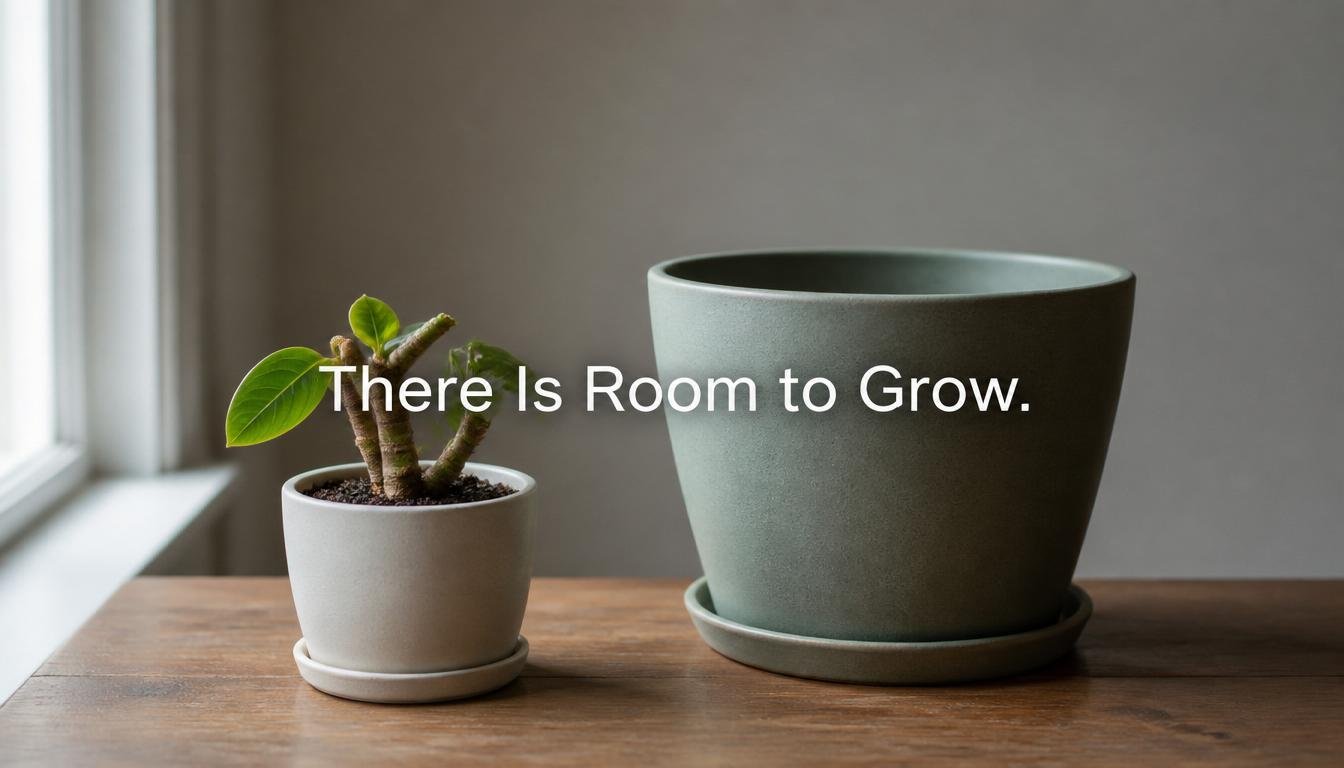
Shrinking yourself for others means quietly making yourself smaller, so the people around you feel more comfortable. It can look like staying quiet when you have something to say. It can look like downplaying an achievement or softening your natural energy until it barely shows. This pattern often feels like kindness. Often, it is really just fear wearing a polite mask.
This matters because it has a real cost. Over time, shrinking yourself for others can erase the parts of you that make relationships and work genuinely meaningful. Learning to take up your actual space is not selfish. It is necessary.
Hiding Your Personality vs Genuine Adaptability
There is a real difference between healthy social flexibility and hiding your personality out of fear. Adjusting your tone for a formal meeting is normal. Erasing your actual sense of humor, opinions, or energy around everyone, all the time, is something else entirely.
A useful question to ask: does this adjustment feel like a small, comfortable tweak? Or does it feel like putting on a mask that hides who you actually are? Genuine adaptability still lets your core personality show through. Hiding your personality replaces it almost entirely, often so consistently that even you start losing track of the difference.
Shrinking yourself for others often starts with small, reasonable-seeming adjustments. It can slowly grow into something closer to hiding your personality altogether. This happens especially in relationships or workplaces where the pattern goes unquestioned for years.
The Many Faces of Playing Small
This happens in team meetings more often than people realize. A strong idea nearly gets said out loud, then gets swallowed at the last second. Someone else shares a weaker version of the same idea moments later and gets praised for it. Next time, the same thing happens again.
This is the pattern in action. It rarely looks dramatic from the outside. It looks like a hesitation, a swallowed sentence, a joke made at your own expense before anyone else can make it first.
This pattern can also show up physically. Taking up less space in a chair. Speaking more quietly than your natural volume. Apologizing before sharing an opinion, as if the opinion itself needs forgiveness.
The Roots of Minimizing Yourself
This habit usually forms for real reasons, not random ones. Understanding these reasons helps explain why shrinking yourself for others can feel so automatic and hard to catch in the moment.
- Early rejection for being “too much.” If enthusiasm, opinions, or achievements once triggered criticism or distance, staying small can feel safer.
- A caretaking role in the family. Kids who learned to manage a parent’s mood often learn to shrink their own needs to keep the peace.
- Fear of envy or resentment. Worrying that success or confidence will make others feel bad can lead to quietly downplaying both.
- Cultural or gender expectations. Some environments actively reward modesty and punish visibility, especially for certain groups.
None of these reasons makes the pattern permanent. They explain where it came from, not where it has to stay.

The Psychology Behind Playing Small
Psychologically, this pattern is a form of self protection. The logic underneath it usually sounds something like this: if I take up less space, I am less likely to be criticized or rejected.
This logic made sense in situations where visibility once brought real danger, like a harsh household or an unsafe environment. The problem is that the brain often keeps running this old logic long after the original danger has passed.
This pattern also connects closely to people pleasing. Both prioritize other people’s comfort over their own honest expression. The difference is subtle. People pleasing focuses on actively managing others’ feelings. This pattern focuses on making yourself less visible, so there is less to manage in the first place.
The Overlap With People-Pleasing
Yes, closely. The two patterns often travel together and reinforce each other. Someone who shrinks themselves is often also working hard to keep everyone else comfortable. Sometimes they do not even realize how much effort it takes.
The table below highlights a few key differences:
| This Pattern | People Pleasing | |
| Main strategy | Becoming less visible | Actively managing others |
| Typical behavior | Staying quiet, downplaying wins | Saying yes constantly, over-apologizing |
| Core fear | Being judged or resented for visibility | Disappointing or upsetting someone |
Recognizing which pattern shows up more for you can help target your practice more precisely.
Practical Steps to Stop Shrinking Yourself
Change here starts with noticing the pattern in real time, since shrinking yourself for others often runs on autopilot. A few practices can help.
- Catch the moment before you shrink. Notice the instinct to stay quiet or downplay something, right as it happens. Naming it internally weakens its automatic pull.
- Practice one size increase at a time. Speak slightly louder than feels natural in one meeting. Share one unfiltered opinion. Small increases are easier to sustain than a sudden, dramatic shift.
- Let discomfort happen without fixing it. Someone might react oddly to your bigger presence. Resist the urge to immediately shrink back down to smooth things over.
- Track moments when you did not shrink. Keep a simple list. Over time, this list becomes proof that taking up space does not lead to the disasters your old fear predicted.
Fear of Taking Up Space and Where It Really Comes From
Fear of taking up space often has a very specific origin story. This is true even if it now shows up in generic, everyday situations. Tracing it back can make the fear far less abstract and easier to work with directly.
Try asking yourself these questions:
- Who, historically, reacted badly when you took up more space?
- What specifically happened when you were “too much” in the past?
- Is that same person or situation actually present in your life today?
Often, the honest answer is no. The source of the fear is long gone. But fear of taking up space kept running anyway, applied automatically to situations that no longer carry the same risk.
Taking Up Space With Confidence
Taking up space confidently is not about becoming loud or aggressive. It is about letting your actual thoughts, preferences, and presence show up honestly. There is no need to pre-edit them down to fit an imagined smaller size.
Start with language. Replace “sorry, but I think” with “I think.” Replace “this might be a dumb idea” with simply stating the idea. Small language shifts train both your brain and the people around you to expect a fuller version of you.
This work connects directly to the larger project of learning how to build self confidence overall. Taking up real space is simply confidence made visible in daily behavior, not a separate skill entirely.
Guilt Is Often a Sign You’re Doing It Right
Taking up more space, the real work of unlearning shrinking yourself for others, can trigger guilt before it triggers relief. That guilt does not mean something has gone wrong. It usually means a long-standing rule is finally being broken.
Some people may react to your bigger presence with surprise or even mild pushback. This is not proof you should shrink back down. It is often just an adjustment period for a relationship dynamic that is genuinely shifting, and it tends to settle once the people around you adjust to the new normal.
This is general guidance, not a clinical prescription. If this pattern feels tied to a history of significant control or mistreatment, working with a therapist can offer valuable additional support.
A Quick Exercise to Practice Taking Up Space
Try this once this week.
- Pick one low stakes setting, like a casual group chat or a small meeting.
- Choose one moment to share something you would normally keep to yourself.
- Say it at your natural volume, without a soft opening apology.
- Notice what actually happens afterward, not what you feared would happen.
- Write down the gap between the fear and the real outcome.
This exercise works best repeated often, in small doses, rather than attempted once as a big leap. Each repetition adds a little more evidence that your fuller presence is safe.
Conclusion
Shrinking yourself for others’ comfort was likely a smart strategy once, built to keep you safe in a specific situation. It does not mean it has to define how much space you take up for the rest of your life.
This pattern and the fear of taking up space both soften in the same way. It takes small, repeated proof that your fuller presence does not lead to disaster. Each time you take up a little more space and survive it, the old rule loses a bit more power.
Start today by noticing one moment you would normally shrink. Try staying at your actual size instead, just once. That single small choice is often where real change quietly begins.
Frequently Asked Questions
This often comes from early experiences where enthusiasm, opinions, or achievements led to criticism, distance, or resentment from others. Staying small becomes a learned way to feel safer, even when the original threat is no longer present.
Psychologically, playing small is a form of self protection. It is based on the belief that taking up less space reduces the risk of criticism or rejection. It often develops in response to a specific environment where visibility once felt genuinely risky.
Stopping this pattern involves noticing the instinct to shrink in real time. It means practicing small increases in visibility. It also means allowing any resulting discomfort to pass without immediately retreating to old, smaller habits.
Yes, the two patterns often overlap and reinforce each other. This pattern focuses on becoming less visible. People pleasing focuses on actively managing others’ feelings. Both prioritize others’ comfort over honest self expression.
Taking up space confidently starts with small language shifts. Try stating opinions directly instead of softening them with apologies. Gradually increase visibility in low stakes situations until it starts to feel natural.






- Be Respectful
- Stay Relevant
- Stay Positive
- True Feedback
- Encourage Discussion
- Avoid Spamming
- No Fake News
- Don't Copy-Paste
- No Personal Attacks
- Be Respectful
- Stay Relevant
- Stay Positive
- True Feedback
- Encourage Discussion
- Avoid Spamming
- No Fake News
- Don't Copy-Paste
- No Personal Attacks
