Screen Time and Energy Levels Are Quietly Connected
Published: 26 Aug 2026
Screen time and energy levels are connected more directly than most people think. Screens don’t just cost you time. They cost real mental energy, through constant small choices, fast visual input, and endless small alerts. That drain often shows up as tiredness that feels bigger than how little you actually did.
If you’ve ever finished a day of scrolling and felt strangely wiped out, this connection is likely why. The tiredness is real, even though nothing about scrolling looks physically demanding.
Why Screens Drain Energy That Isn’t Physical
Screens ask a lot from your brain, even during passive use. Every scroll brings a small decision. Keep watching, or move on. Every notification pulls a sliver of attention away from whatever you were doing before it.
None of this looks like effort from the outside. You’re sitting still. But your brain is doing steady, low-level work the whole time. Processing images, weighing tiny choices, and shifting attention again and again. That adds up to real fatigue, even without a single physical task involved.
This is the core link between screen time and energy levels. The cost isn’t in your muscles. It’s in your attention.
What Digital Fatigue Actually Feels Like
Digital fatigue tends to show up as a specific kind of tired. Different from sleepiness. It often feels like restlessness paired with low motivation. Wanting to stop, but somehow still reaching for another app anyway.
Eyes may feel strained or heavy. Focus can feel scattered, even on simple tasks. Some people notice a short temper, or a flat, foggy mood that lingers well after they’ve put the phone down. None of these symptoms point to poor sleep specifically. They point to overused attention.
This kind of fatigue can be confusing, since it doesn’t match typical ideas of what “tired” is supposed to feel like.
Screen Fatigue and the Constant Decision Load
Every app is built around small, repeated decisions. Scroll or stop. Tap or skip. Reply now or later. Each decision is tiny on its own, but they stack fast, sometimes hundreds of times an hour during heavy use.
This kind of screen fatigue draws from the same limited decision-making pool used for bigger choices later in the day. Spend that pool on hours of scrolling, and less is left over for things that actually matter, like a hard conversation or a real work task.
This is part of why a lazy scrolling session can leave you feeling oddly worn out. Not from the content itself, but from the sheer number of tiny choices baked into the experience.
Mental Drain From Screens Beyond Just Scrolling
Mental drain from screens isn’t limited to social media or entertainment. Work screens count too. Constant tab switching, notifications, and multitasking across apps all draw from the same pool of attention.
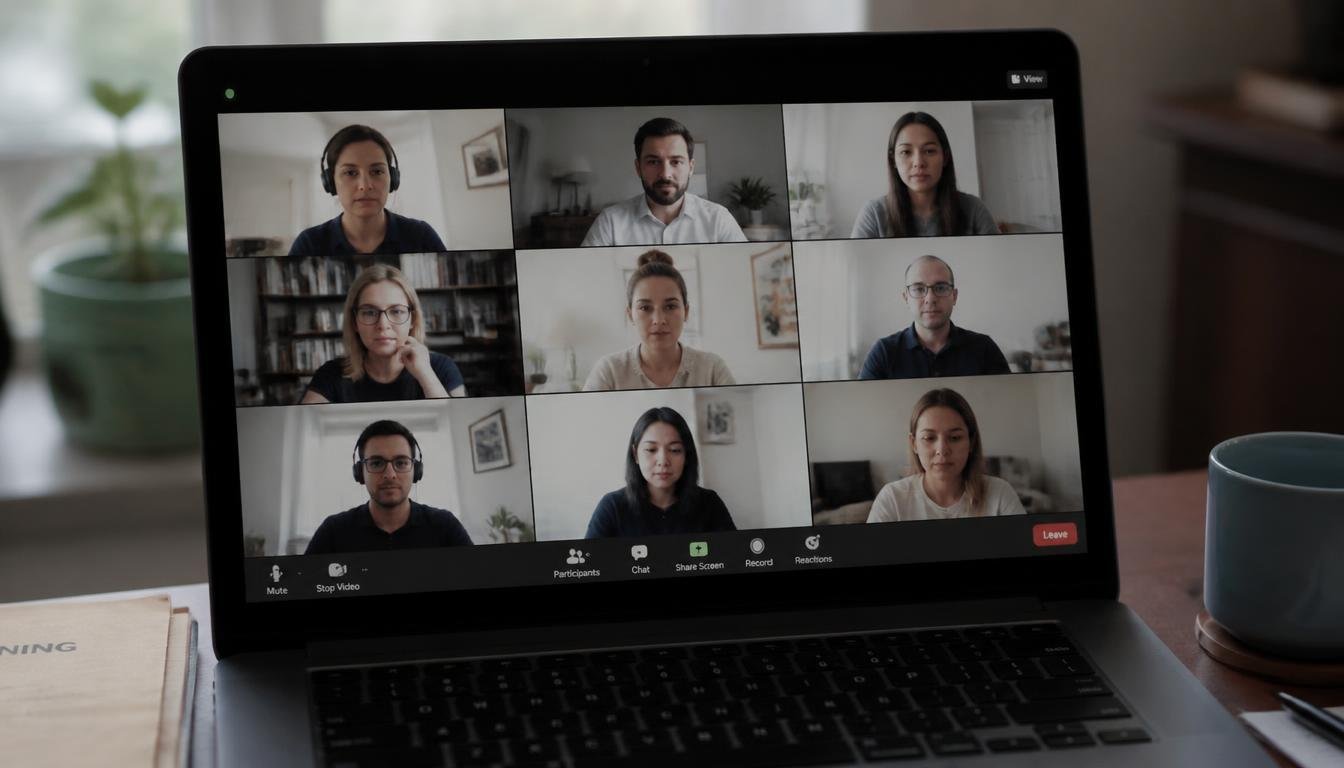
Video calls are a particularly heavy drain, often more tiring than an in-person conversation covering the same content. Reading facial cues through a screen, managing slight audio delays, and staring at your own face on camera all add small, constant cognitive costs that don’t exist in person.
Even reading long articles or documents on a screen tends to feel more draining than reading the same content on paper, likely due to the extra effort involved in scrolling and screen glare.
How Much Screen Time Is Actually Too Much
There’s no single number that applies to everyone, since the type of screen use matters as much as the total time. An hour of focused, single-task work differs a lot from an hour of app switching and constant notifications, even though both count as “screen time.”
That said, a few patterns tend to signal too much. Feeling foggy or irritable during or right after screen use is one sign. Needing screens to fall asleep, despite feeling tired, is another. Losing track of time consistently while using a device, well beyond what you intended, is a third common sign worth noticing.
Rather than chasing a specific number, paying attention to how you feel during and after screen use tends to be a more useful guide than any fixed time limit.
Blue Light’s Effect Goes Beyond Sleep Alone
Blue light’s most studied effect is on sleep, since it can suppress melatonin and delay your body’s wind-down process. But its impact on energy may extend a bit further than sleep alone.
Some research suggests blue light exposure can affect alertness and mood directly, not just through disrupted sleep. This means daytime blue light isn’t purely negative. It can support alertness during working hours. The concern is mainly about timing, especially heavy exposure late in the evening, close to when your body should be winding down.
This distinction matters, since it means the fix isn’t necessarily avoiding screens altogether. It’s more about being thoughtful with timing, especially in the hours before bed.
How to Recover Energy From Screen Overuse
Recovering from screen-related tiredness usually works best through real breaks. Not simply switching to a different screen. A change in device doesn’t reset the attention drain underneath.
A few things tend to really help:
- Stepping outside, even briefly, for a genuine change of visual input
- Doing a short task with your hands, like tidying or a simple chore
- Taking a walk without your phone, letting attention fully reset
- Setting specific windows for checking notifications, rather than constant access
None of these require quitting screens entirely. They just create real breaks the brain can actually use to recover, rather than a change in scenery that still counts as more screen time.
Screens at Work Versus Screens at Home
Work screens and home screens tend to drain you in different ways. Work screens often involve pressure. Deadlines, emails, and decisions that matter. That kind of use tires the mind fast, even in short bursts.
Home screens feel more relaxed on the surface. But long, unplanned scrolling can still add up to real fatigue. Even fun content asks your brain to keep processing new images and new choices, one after another.
Knowing which kind of screen use hits you hardest can help you plan your day better. Maybe you need a real break right after work screens end. Maybe your evening scrolling needs a clear stop time, since it tends to run longer than planned.
Building Healthier Screen Habits Without Overhauling Everything
Small changes tend to work better than a big screen detox that’s hard to keep up. Turning off extra notifications removes a steady source of small attention pulls all day long.
Setting specific check-in times for email or social media, rather than checking constantly, reduces the decision load screens create. Keeping the first and last thirty minutes of your day mostly screen-free can also protect both your morning energy and your evening wind-down, two windows that tend to matter more than people expect.
These changes are small enough to actually stick, which matters more than any perfect, hard-to-maintain system ever could.
A Simple Test to Check Your Own Screen Use
Here is an easy way to check how screens affect you. Pick one day this week. Track how you feel right before you pick up your phone. Then track how you feel thirty minutes later.
Do this a few times during the day. Write down just one word each time. Tired. Fine. Wired. Foggy. After a few days, look back at your notes. You will likely see a pattern. Maybe you feel worse after long scroll sessions. Maybe short check-ins don’t affect you much at all.
This test takes very little effort. But it turns a vague feeling into real proof. That proof makes it much easier to know which habits to change first.
Why Some Screen Use Feels Fine and Some Doesn’t
Not all screen time feels the same, and that is worth understanding. Watching one show with full focus often feels calm and restful. Jumping between five apps for the same amount of time often feels the opposite.
The difference comes down to how much your attention has to jump around. A single task, done with focus, asks less of your brain. Constant switching asks a lot more, even if the total time is the same. This is why two people can spend the same hour on a screen and end up feeling completely different afterward.
Knowing this can help you choose better screen habits, not just fewer screen hours. A focused hour often costs less energy than a scattered ten minutes.
What to Expect When You Cut Back
Cutting back on screen use rarely feels great in the first few days. Many people notice a strange restlessness at first, almost like a small itch to check their phone. This fades faster than most people expect, often within a week.
After that early stretch, most people report clearer thinking and steadier energy through the day. Sleep often improves too, especially if evening screen time drops. These changes tend to build slowly, not overnight, so it helps to give any new habit a real two weeks before judging whether it worked.
Small setbacks are normal too. A busy week might pull you back into old habits. That does not erase the progress made before it. Simply picking the habit back up is usually enough to keep moving forward.
A Few Questions to Ask Before You Reach for Your Phone
Before picking up your phone out of habit, a couple of quick questions can help. Am I reaching for this because I need something, or just out of boredom? Do I actually want to look at this, or is my hand just moving on its own?
These questions take only a second to ask, but they add a small pause. That pause is often enough to turn an automatic habit into an actual choice. Some people find that just asking the question, even without changing their answer, starts to shift their habits over time.
Key Takeaways
- Screen time and energy levels are connected mainly through attention and decision load, not physical effort.
- Digital fatigue feels different from sleepiness, often showing up as restlessness paired with low motivation.
- Screen fatigue draws from the same decision-making pool used for other choices later in the day.
- Mental drain from screens extends beyond social media, including video calls and work-related multitasking.
- Blue light affects more than sleep alone, though timing matters more than avoiding screens altogether.
Working With Screens Instead of Fighting Them
Screens aren’t going away, and the goal here isn’t eliminating them entirely. It’s understanding that screen time and energy levels are genuinely linked, so screen use gets treated as a real energy cost, not a free, effortless activity.
Small, steady changes tend to work better than a strict digital detox that falls apart within a week. A few real breaks, some notification limits, and a bit more care with timing can truly shift how drained screens leave you feeling.
Try one small change this week, like a screen-free first thirty minutes each morning. Small shifts like this tend to reveal how much of your daily fatigue was quietly coming from your devices all along.
Frequently Asked Questions
Yes, screen time can genuinely cause fatigue, mainly through mental and attention costs rather than physical effort. Constant small decisions, notifications, and rapid visual input all draw from the same limited mental energy pool used for other tasks. This is why heavy screen use can leave you feeling drained despite involving little physical activity.
Digital fatigue is a specific kind of tiredness that comes from extended screen use, often feeling like restlessness paired with low motivation. It can include eye strain, scattered focus, or a flat, foggy mood that lingers after screen use ends. It’s different from typical sleepiness and points more toward overused attention.
There’s no single number that fits everyone, since the type of use matters as much as total time. Signs of too much screen time include feeling foggy or irritable during or after use, needing screens to fall asleep, and consistently losing track of time while using a device.
Real breaks tend to work best, like stepping outside, doing a hands-on task, or taking a walk without your phone. Switching to a different screen doesn’t count as a real break, since it doesn’t reset the underlying attention drain. Setting specific windows for checking notifications can also reduce the constant pull on your focus.
Yes, some research suggests blue light can affect alertness and mood directly, not just through disrupted sleep. Daytime exposure isn’t purely negative and can support alertness during working hours. The main concern is timing, especially heavy exposure late in the evening close to bedtime.





- Be Respectful
- Stay Relevant
- Stay Positive
- True Feedback
- Encourage Discussion
- Avoid Spamming
- No Fake News
- Don't Copy-Paste
- No Personal Attacks
- Be Respectful
- Stay Relevant
- Stay Positive
- True Feedback
- Encourage Discussion
- Avoid Spamming
- No Fake News
- Don't Copy-Paste
- No Personal Attacks
