Reacting Instead of Responding, and the Gap Worth Closing
Published: 6 Aug 2026
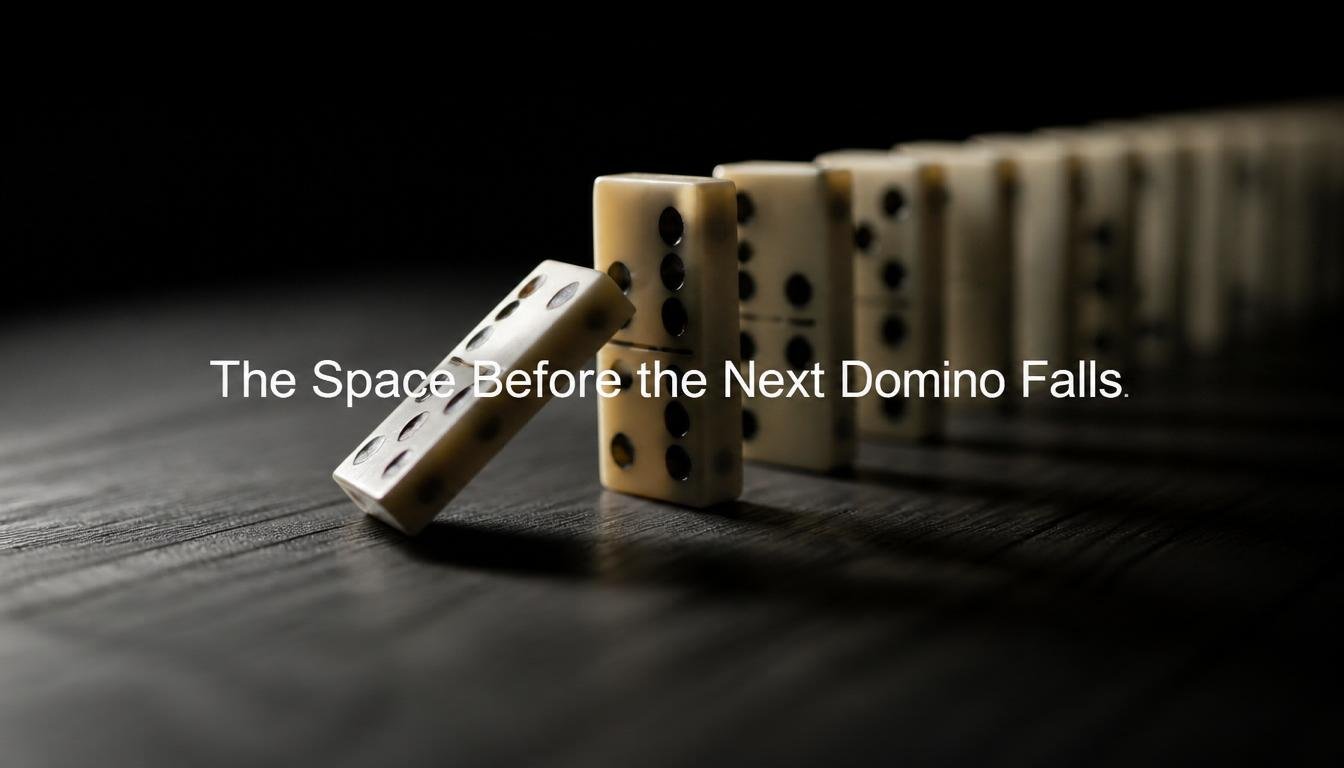
Reacting instead of responding means your words come out automatically. Driven by the heat of the moment, before you’ve had a chance to think them through. Responding, by contrast, involves a small pause that lets you choose your words on purpose. The gap between the two is often just a few seconds. But that gap tends to decide how the rest of the conversation goes.
If you’ve ever said something mid-argument that you regretted minutes later, this pattern is likely familiar. It isn’t about being a hot-headed or difficult person. It’s about a pause that hasn’t been built yet. And building it is entirely possible.
What’s Actually Different Between Reacting and Responding
On the surface, reacting and responding can look almost identical. Both involve saying something in the moment. The real difference sits underneath. In whether there was any space between the trigger and what came out of your mouth.
Reacting skips that space entirely. Something happens, and your words follow almost instantly. Often driven more by the emotional charge of the moment than by what you’d choose to say with time to think. Responding keeps a small gap intact, even if brief. Long enough for a more deliberate choice to slip in before your mouth does.
Neither reacting nor being emotional is inherently bad. The issue isn’t having a strong feeling. It’s when that feeling drives behavior directly, with no filter standing between the two.
Why This Pattern Builds in the First Place
Reacting instead of responding tends to build for identifiable reasons. Even when it feels like it comes out of nowhere in the moment. A nervous system that’s been through repeated stress often develops a hair trigger. This is a form of protection, especially when the stress occurred earlier in life. This kind of emotional reactivity is your body trying to keep you safe. Even when the danger has long since passed.
Fatigue and overload play a role too. A measured response takes more mental energy than an automatic reaction does. That means this pattern tends to spike on days when you’re already stretched thin. Or hungry, or worn down by something unrelated.
Certain relationships can carry a specific charge too. A particular person’s tone, or a familiar kind of comment, can trigger this pattern almost instantly. Even if you’re generally calm in most other parts of your life. That specificity is a clue, not a coincidence.
What Impulsive Reactions Cost You Over Time
Impulsive reactions rarely feel costly in the exact moment they happen. The cost tends to show up afterward. In strained relationships, repeated apologies, or a reputation for being unpredictable, even when you’re generally a thoughtful person.
Over time, this pattern can also erode your own trust in yourself. If you’ve said things you didn’t mean often enough, you might start doubting your judgment. Even in situations that call for a firm, honest reaction. That self-doubt can be more limiting than the original reactivity itself.
There’s a relational cost too. People around you may start choosing their words carefully around you. Or avoiding certain topics, not because the topics don’t matter, but because they’re bracing for an unpredictable response. That dynamic often goes unnoticed by the reactive person while being obvious to everyone else.
Reacting Instead of Responding and Its Roots in Childhood
Emotional reactivity often has roots that trace back to childhood. Though it isn’t a certainty in every case. Growing up in an unpredictable home tends to train a nervous system to stay on high alert. Especially where a caregiver’s mood could shift fast.
Children who had to speak up loudly, just to be heard in a chaotic home, sometimes carry that same intensity into adult fights. Even in situations that no longer call for it. The strategy that once served a real purpose becomes a default that outlives its usefulness.
This isn’t true for everyone with high reactivity. It can also develop later in life, through chronic stress, burnout, or built-up frustration. Childhood is a common thread. Not the only one.
How to Build a Pause Before Reacting
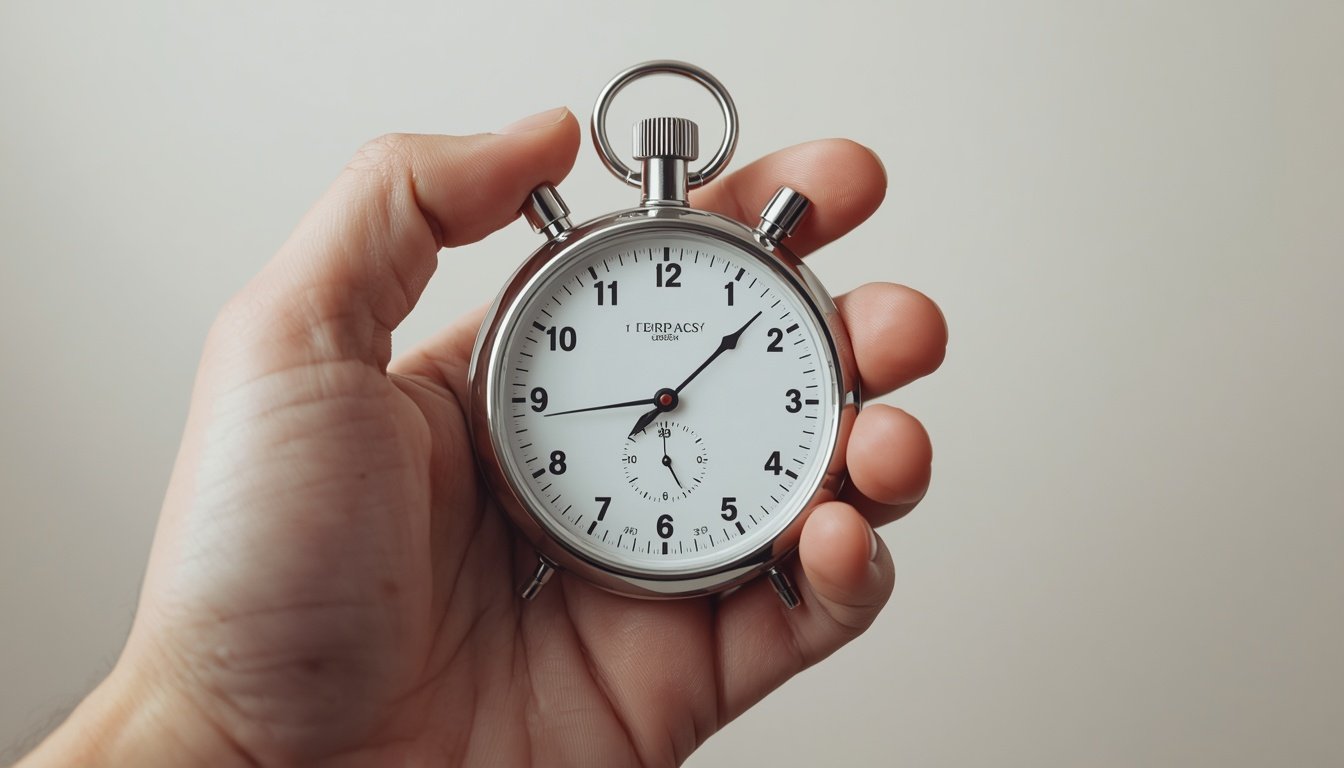
Building a pause is less about willpower and more about creating a physical habit. Since willpower tends to be the first thing to go in a heated moment. A few steps tend to work well together.
Try this short sequence the next time you feel a reaction building:
- Notice the physical sign that reactivity is rising, like heat in your face or a tight jaw.
- Take one slow breath before allowing yourself to speak or act.
- Silently count to five, giving your slower thinking a moment to catch up.
- Ask yourself what you actually want the outcome of this moment to be.
- Choose your next words based on that answer. Not the initial charge.
This sequence takes under fifteen seconds once practiced. Often enough to shift a reaction into something closer to a real response.
Emotional Regulation as the Underlying Skill
Emotional regulation is the broader skill that makes this pause possible in the first place. It’s your ability to notice a strong feeling and shape how it shows up in your behavior. Without suppressing or ignoring the feeling itself.
This is different from staying calm all the time, which isn’t realistic or even healthy. Regulation means the feeling gets to exist fully while your actions stay chosen, rather than automatic. You can be furious and still choose your next sentence carefully. Those two things aren’t in conflict.
Like any skill, this one strengthens with repetition. Especially when practiced in lower-stakes moments first. Getting annoyed at a slow website and choosing to close the tab calmly builds the same muscle. One you’ll need during a much harder conversation.
Spotting the Pattern Before It Takes Over
Most people who struggle with this pattern can eventually spot a handful of situations where it happens most. Being interrupted mid-sentence is common. So is feeling criticized in front of other people, even by someone who didn’t mean it harshly.
A useful exercise is looking back at your last three or four sharp reactions. Ask what they had in common. Maybe it was feeling unheard, rushed, or like your competence was being questioned. That common thread is often more specific and more useful than a vague sense of feeling “triggered easily.”
Once you can name that thread, you gain a heads-up. Certain situations stop feeling random and start feeling like known territory. Which makes the pause described earlier much easier to actually use.
What Responding Actually Sounds Like in Practice
It helps to hear the difference in concrete terms. Since “respond instead of react” can sound abstract until you picture it playing out. Imagine a colleague sends a blunt, slightly critical email. A reactive reply might fire back defensively within minutes, matching or escalating the tone.
A response, by contrast, might start with reading the email twice. Noticing the flash of defensiveness without acting on it right away. Then reply an hour later with something calmer and more specific about what you actually want to address. The content of your point can still be firm. The delivery is just chosen, rather than fired off in the heat of the moment.
This distinction matters because responding doesn’t mean softening everything you say. It means the words came from a decision. Not from the fastest possible impulse available to you.
A Quick Body Check You Can Use in the Moment
Reactivity tends to announce itself in the body before it shows up in your words. Learning to catch that early signal is often more useful than trying to control the words themselves once they’re already moving.
Common early signs include a flushed face, a tight jaw, or a sudden urge to interrupt. Some people notice their hands clench, or their breathing gets short and shallow. These signs are worth learning for yourself specifically, since they can differ quite a bit from person to person.
Once you know your own early signs, you have a genuine head start. You can catch the wave before it crests, instead of noticing it only after you’ve already said something you didn’t mean.
Key Takeaways
- Reacting instead of responding happens when there’s no pause between a trigger and what comes out of your mouth.
- This pattern often develops from earlier stress or an unpredictable home, sometimes tracing back to childhood.
- Impulsive reactions carry real costs over time, including strained relationships and eroded self-trust, even in small moments.
- Emotional regulation is the underlying skill that makes a genuine pause possible, without requiring you to suppress how you feel.
- Building this pause works best through repeated, low-stakes practice, not through trying to change everything at once.
The Space Between Now and Then
Closing the gap between reacting and responding doesn’t mean becoming a calmer, more agreeable version of yourself. It means giving yourself the chance to choose. Even when a feeling is strong enough to want to skip straight to action.
That choice tends to protect the relationships and moments that matter most. Not by suppressing what you feel. But by letting your actions catch up with your actual intentions, instead of your fastest impulse.
Try the short pause sequence the next time something minor sets you off today. That small, low-stakes practice, repeated often enough, is usually where the bigger shift starts to take hold.
Frequently Asked Questions
Reacting happens automatically, with little to no pause between a trigger and what you say or do. Responding involves a brief gap that allows for a more deliberate, chosen action instead. The difference often comes down to just a few seconds. But those seconds tend to shape the outcome of the whole interaction.
This often develops from repeated stress, an unstable home life, or a nervous system trained to stay on high alert. This kind of emotional reactivity can also spike from fatigue and overload. A measured response takes more mental energy than an automatic one. Specific people or situations can carry an extra charge, making it feel stronger in certain contexts.
Start by noticing your own physical signs that reactivity is rising, like tightness or heat. That’s your earliest warning signal. Taking one slow breath and silently counting before speaking gives your slower thinking time to catch up. Practicing this in small, low-stakes moments builds the habit before you need it somewhere harder.
It often is, especially for people who grew up in unstable homes where a caregiver’s mood could shift fast. That environment can train a nervous system to react fast as a form of protection. A pattern that sometimes continues long after it’s needed. It can also develop later in life through chronic stress. So childhood is a common cause, not the only one.
Yes. This pattern can be trained down a lot through repeated, low-stakes practice. Eliminating it isn’t a realistic goal. The aim is to expand your ability to choose, so reacting becomes occasional rather than automatic. Progress tends to happen gradually, with old patterns sometimes resurfacing during stressful stretches along the way.






- Be Respectful
- Stay Relevant
- Stay Positive
- True Feedback
- Encourage Discussion
- Avoid Spamming
- No Fake News
- Don't Copy-Paste
- No Personal Attacks
- Be Respectful
- Stay Relevant
- Stay Positive
- True Feedback
- Encourage Discussion
- Avoid Spamming
- No Fake News
- Don't Copy-Paste
- No Personal Attacks
