Anxiety Feels Like Excitement, and Your Body Can’t Tell
Published: 7 Aug 2026
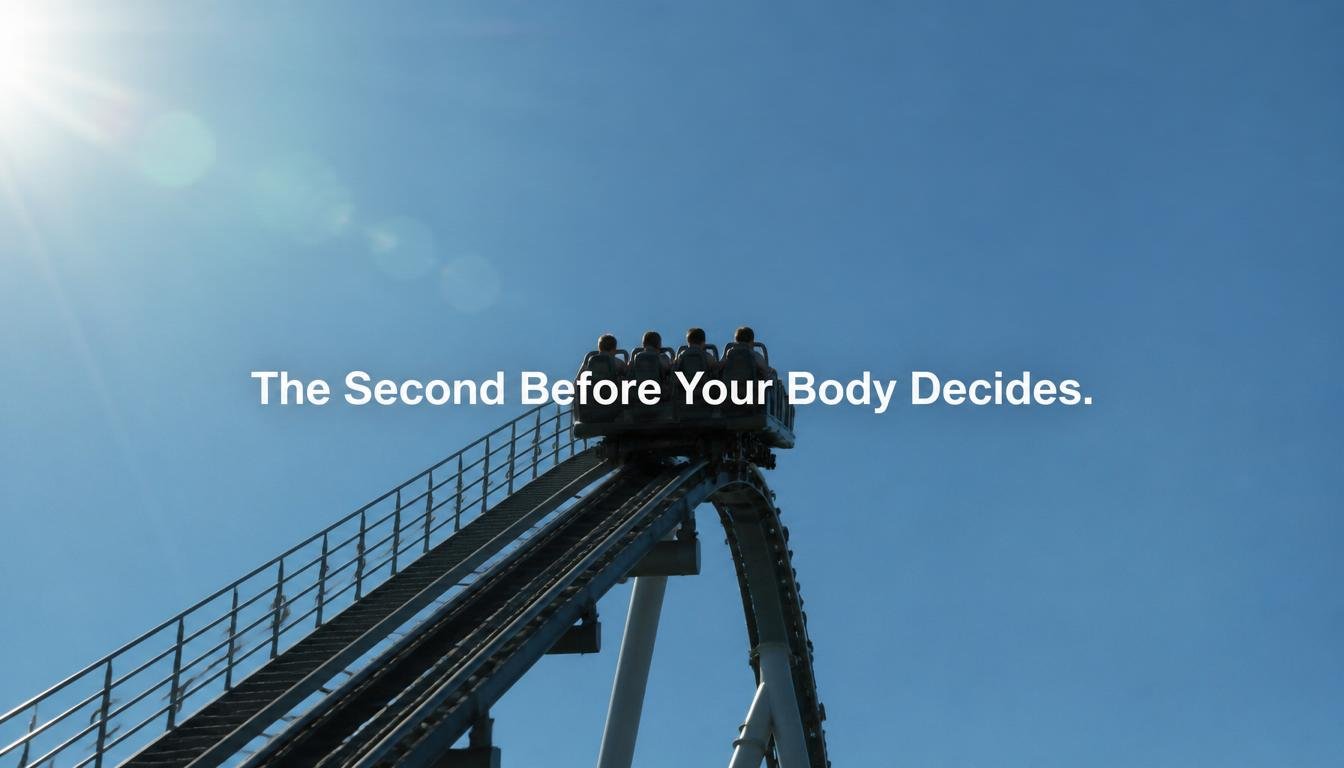
Anxiety feels like excitement because both set off nearly the same body response. A racing heart. Quick breathing. A rush of adrenaline. The real difference isn’t physical at all. It’s the label your mind puts on the feeling. That’s why a racing heart can feel thrilling on a roller coaster. And awful before a presentation.
This overlap is genuinely useful to understand. Especially if anxiety has been steering your choices more than it should. Once you know your body might be misreading its own signal, you get a real shot at relabeling it.
Why Anxiety and Excitement Feel So Similar
Both are high-arousal states. That means they fire up your sympathetic nervous system almost the same way. Your adrenal glands release adrenaline. Your heart rate climbs. Your breathing shifts. Your senses sharpen. All to get ready for something big.
Your body doesn’t actually sort good news from bad news. It just senses something big is coming. Then it preps the same chemicals either way.
The real split happens at a higher level. Your brain reads the raw feeling using context and memory. Change the context, and the same racing heart can flip from dread to thrill. Almost instantly.
What’s Happening in Your Body
Anxiety and excitement both start in the same spot. Your amygdala notices something big. It triggers your hypothalamus. That sets off your sympathetic nervous system. Some call this the fight, flight, or excitement response. It’s remarkably nonspecific at the chemical level. This physiological similarity is really the whole story here.
Cortisol and adrenaline flood your blood in both states. Your pupils may widen. Blood shifts toward your muscles and away from digestion. That’s part of why both feelings can leave your stomach feeling off. Your body runs the same setup either way.
The real difference lies in your prefrontal cortex. That’s the part of your brain handling meaning. It adds a story on top of the raw data. That story decides whether you feel dread or hope.
Misreading Emotions in Unclear Moments
Misreading emotions happens fastest in unclear situations. Ones without a set story yet. A first date. A big talk. A surprise offer. All can trigger the same racing feeling. Your mind has to quickly pick a label.
Experience shapes that pick. If similar moments went badly before, your brain leans toward “anxiety.” It treats the moment as a threat. If similar moments went well, the same feeling gets filed as “excitement” instead. It treats the moment as a chance.
This is why two people can face the same event and feel completely different inside. Public speaking is a classic example. The raw body feeling is nearly the same for both. The story on top is doing almost all the work.
Nervous System Confusion in Everyday Moments
This mix-up shows up far more than people realize. Not just in big moments like interviews. Picture this. Your boss calls out of nowhere to talk. Your heart picks up pace before you even know why.
In that gap, your body has already started prepping. Based purely on the unknown. Not on anything confirmed good or bad. Whether that feeling gets filed as dread or curiosity often depends on your history with that boss. This kind of nervous system confusion happens in small moments all day long, not just the dramatic ones.
This same confusion explains thrill-seeking too. Horror movies. Extreme sports. People are chasing a feeling that would read as pure fear in a different setting. The label is doing the heavy lifting, not the sensation itself.

Training Yourself to Tell Them Apart
This is one of the more useful skills you can build here. The feeling itself is nearly identical either way. So the real test isn’t the physical sensation. It’s a quick, on-purpose check of the story your mind is telling.
Try pausing when you notice the racing feeling. Ask yourself directly: “Am I actually in danger? Or just facing something unclear?” That question breaks the automatic labeling. It hands you the choice back.
Some people relabel the feeling out loud. Saying “I’m excited” instead of “I’m anxious,” right as it rises. Research on this kind of relabeling backs it up. It can shift both how something feels and how well you perform. Things like public speaking or competition included.
How This Shapes Your Decisions
This affects real decisions more than people think. If your body keeps mislabeling unclear situations as threats, you may start avoiding chances that were never dangerous. Simply because the feeling read like a warning.
This can look like turning down a new role. Or skipping a hard but worthwhile talk. Or avoiding new situations altogether. All because a racing heart got filed under “run” instead of “go.” Over the years, this can quietly shrink someone’s life. Without ever feeling like one clear choice.
Catching the mislabeling hands some of that ground back to you. It doesn’t mean forcing yourself into every unclear moment. It means the choice becomes yours again. Not something your body decided on autopilot.
A Quick Body Check You Can Use in the Moment
Next time your heart rate spikes, try a short check first. Don’t assume it’s anxiety by default. Notice where the feeling sits. Is it tight and closed? Or more open and buzzing? People often describe these two states a little differently, even though the wiring underneath is the same.
Ask what you’d feel if you already knew the outcome would go well. If the racing feeling would show up either way, that points to plain physiological similarity, not a real warning. Naming it out loud as excitement, even as a test, often shifts things within seconds.
This isn’t about forcing positivity onto every hard moment. Some situations really are risky. That instinct deserves respect. This check is just about giving the feeling a fair hearing first.
This Overlap Is a Common, Well Studied Experience
This overlap between anxiety and excitement is extremely common. It’s been studied fairly widely in psychology. One well-known study asked people to say “I am anxious” or “I am excited” out loud. Right before a stressful speaking task. Those who chose “excited” performed better. And felt more confident doing it.
This shared wiring also explains why thrill-seeking is so popular. Roller coasters. Horror films. Skydiving. Each one manufactures a feeling close to fear. Wrapped inside a setting your brain has already marked safe. The label makes the whole thing fun instead of scary.
Knowing this mix-up is common can ease some shame, too. Your body isn’t malfunctioning. It’s running an old alert system. One that just needs your interpretation to fill in the last piece.
Key Takeaways
- Anxiety feels like excitement because both trigger nearly identical physical responses through the sympathetic nervous system.
- The real difference lies in interpretation, not in the body, since your prefrontal cortex adds meaning based on context and experience.
- Misreading emotions this way happens most in unclear situations without a set story about the outcome.
- You can train yourself to relabel the feeling on purpose, and research shows this can improve both experience and performance.
- Left unchecked, this mislabeling can quietly shape decisions, sometimes causing people to avoid chances that were never actually dangerous.
The Quiet Shift That Follows
Once you understand that anxiety feels like excitement at the body level, the feeling stops being an automatic verdict. It becomes raw material instead. Waiting for you to decide what story fits.
That single shift changes more than people expect. From treating a racing heart as a fixed warning, to treating it as unclear information. Both how moments feel and the choices that follow tend to open up.
Next time your heart picks up pace, try pausing just long enough to ask which label fits. That small question, asked enough times, becomes one of the more useful habits you can build.
Frequently Asked Questions
They feel similar because both trigger nearly identical activity in your sympathetic nervous system. That includes a racing heart, faster breathing, and an adrenaline surge. Your body preps the same way for both. It’s reacting to arousal, not sorting good from bad. The real difference comes from how your brain labels the feeling afterward.
Your amygdala notices something big and sets off a chain reaction. It runs through your hypothalamus and into your sympathetic nervous system. Cortisol and adrenaline are released into your blood. Your pupils may widen. Blood shifts toward your muscles in both anxiety and excitement. The labeling happens separately, in your prefrontal cortex.
Yes. Since the feeling itself is nearly identical, training focuses on the interpretation step. Not the physical sensation itself. Pausing to ask if you’re actually in danger can interrupt automatic labeling. Saying “I’m excited” instead of “I’m anxious” out loud has been shown to shift both experience and performance.
Yes. Mislabeling an unclear but possibly good situation as a threat can lead to avoiding chances that were never dangerous. This might show up as turning down a new role. Or steering away from unfamiliar situations, without it feeling like a real choice. Catching the mislabeling can help make sure the decision stays yours.
Yes. This overlap is extremely common and has been studied widely. That includes work on relabeling anxiety as excitement before stressful tasks. It also explains the appeal of thrill seeking, which manufactures a feeling close to fear inside a setting the brain has marked safe. This mix-up reflects a shared alert system, not a malfunction.






- Be Respectful
- Stay Relevant
- Stay Positive
- True Feedback
- Encourage Discussion
- Avoid Spamming
- No Fake News
- Don't Copy-Paste
- No Personal Attacks
- Be Respectful
- Stay Relevant
- Stay Positive
- True Feedback
- Encourage Discussion
- Avoid Spamming
- No Fake News
- Don't Copy-Paste
- No Personal Attacks
