The Psychology of Spending: Why You Buy What You Don’t Need
Published: 11 Aug 2026
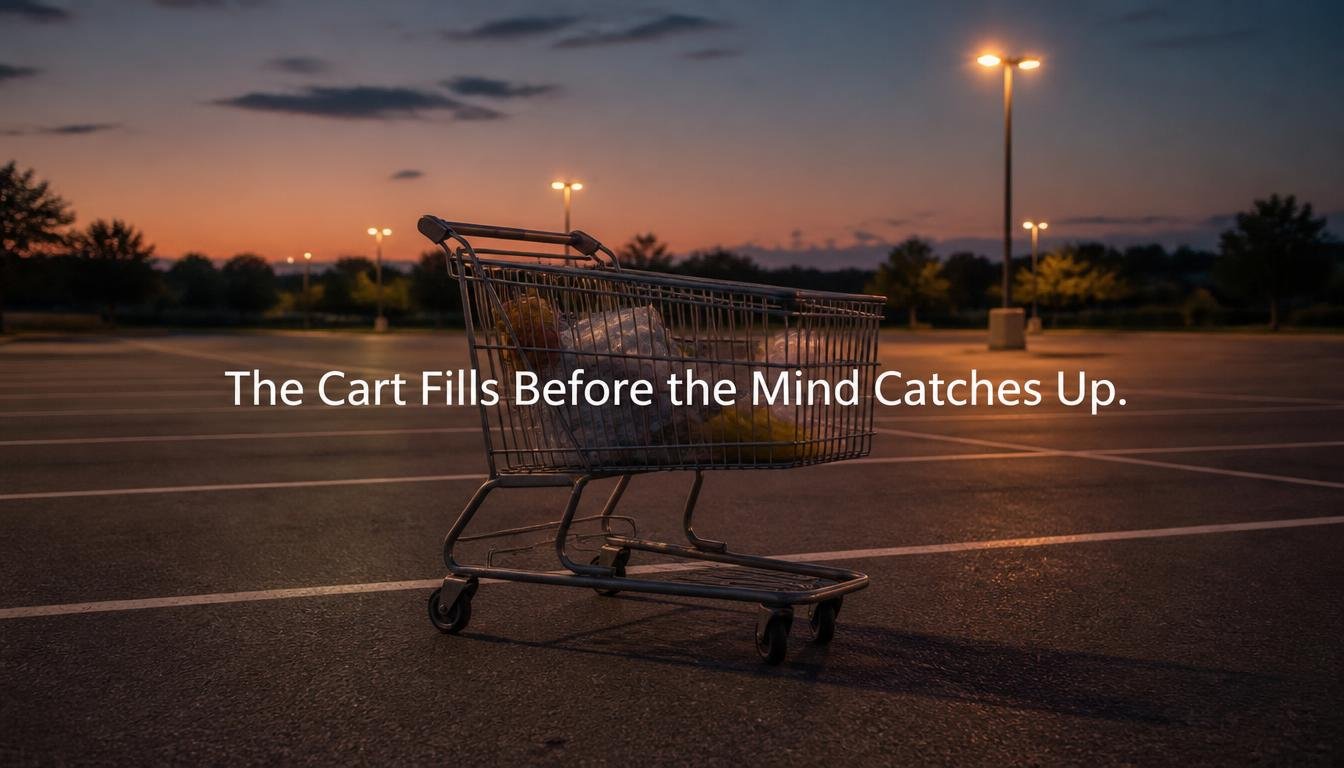
The psychology of spending explains why logic often loses to feeling at the checkout. You know you do not need another item. You buy it anyway. This happens because spending is rarely just a math problem. It is an emotional decision wearing a practical disguise.
This matters because guilt alone rarely fixes overspending. Guilt just adds shame to an already confusing habit. Seeing the real reasons behind a purchase gives you something far more useful than guilt. It gives you a starting point for real change.
Spending Is Rarely About the Item Itself
Most unplanned purchases are not really about the object. A candle is rarely just a candle. A new gadget is rarely just a gadget. The item is often a stand in for something else entirely, like comfort, control, or a small moment of joy.
This is the core idea behind the psychology of spending. The brain reaches for a purchase the same way it reaches for a snack. Or a scroll through social media. It is looking for quick relief, not a long term plan.
Once you see spending this way, a purchase becomes information. It tells you what you felt right before you clicked buy. You may not have noticed that feeling at the time.
What This Pattern Actually Looks Like
This kind of spending happens when a feeling, not a need, drives a purchase. Stress, boredom, sadness, and even excitement can all trigger it. The purchase offers a fast mood shift, even if that shift only lasts a few minutes.
This looks different for different people. Some buy small comfort items after a hard day. Others make bigger purchases after a win, almost as a form of celebration that spirals further than planned. Both are feeling driven purchases, just with different triggers behind them.
The key sign is timing. A purchase that followed a strong feeling, more than a real need, likely came from this pattern.
The Story You Tell Yourself Before You Buy
Every purchase comes with a small inner story. “I deserve this.” “I will use it a lot.” “This is the last one, I promise.” These stories are not really lies. They are the mind’s way of making a feeling driven choice look sensible.
This matters because the story usually shows up after the choice, not before it. The wanting comes first. The reasoning follows right behind. It fills in a logical excuse for something that was never really about logic.
A useful habit is naming the story out loud, even quietly. Hearing “I deserve this” spoken plainly often reveals how thin the reasoning actually is. This is especially true for a purchase made just twenty minutes ago.
Spending as a Reward Versus Spending as a Relief
Not all impulse buying comes from the same place. Some purchases work as a reward, a way to celebrate something good that just happened. Others work as relief, a way to escape something hard. Both feel similar in the moment, but they point to different fixes.
Reward spending often follows a win, like finishing a big project. It can feel harmless, even earned, which makes it easy to overlook as a pattern worth watching. Relief spending follows the opposite kind of moment, a hard day, a tough conversation, a wave of low energy.
Telling these two apart matters. The best response differs for each. Reward spending may just need a cap, a small planned amount set aside ahead of time. Relief spending often needs a different kind of support entirely.
The Common Spending Triggers Behind a Purchase
Spending triggers tend to repeat once you start paying attention. This is one of the clearest patterns the psychology of spending reveals about daily life. Stress after a hard meeting. Boredom on a slow evening. Loneliness after a quiet weekend. Each one nudges the brain toward a quick fix.
Environment plays a role too. A cluttered inbox full of sale emails. A scroll through an app designed to make browsing feel effortless. These triggers are not accidents. Many are built by design to catch attention at a weak moment.
Noticing your own pattern takes a bit of honesty. Most people have two or three triggers that show up again and again, far more than any others.
Why Impulse Buying Feels So Satisfying in the Moment
This kind of buying works because it delivers a small hit of relief almost instantly. The brain releases a burst of dopamine at the decision to buy, often before the item even arrives. This is why the purchase itself can feel better than actually using the item later.
This fast reward is why willpower alone struggles against this kind of buying. The brain has already been rewarded before logic gets a chance to weigh in. By the time doubt creeps in, the purchase is already done.
This timing helps explain why “just be more disciplined” rarely works as advice. The reward happens too fast for discipline to catch it in time.
Is Emotional Spending a Coping Mechanism?
Yes, in many cases it works exactly like one. A coping tool is simply a strategy the mind uses to manage a hard feeling. Spending can absolutely serve that purpose. It is fast, easy to access, and often socially acceptable in a way other coping tools are not.
This does not mean this is a personal failure. It means the brain found a tool that worked, at least for a while, and kept reaching for it. The tool just carries a cost that other coping strategies do not.
Seeing spending as a coping tool opens the door to a useful question. What else could offer that same relief, without the financial cost attached to it.
How to Identify Your Own Spending Patterns
A short weekly check can reveal a lot. Before each purchase this week, pause and ask one simple question. What am I feeling right now.
Write the answer down, even briefly, next to what you bought. After a week, look for repeats. A clear pattern usually appears fast, often within just a handful of purchases.
This one habit tends to reveal more than any budgeting app. Numbers show what you spent. This exercise shows why you spent it, which is the piece most plans miss.
Can Spending Habits Actually Be Changed?
Yes, and the process looks a lot like changing any other habit. This is one of the most hopeful parts of the psychology of spending. Spending habits formed through repetition, which means they can be reshaped through repetition too.
Real change tends to start with awareness, not restriction. Simply noticing a trigger, right as it happens, creates a small gap between feeling and action. That gap is where a different choice becomes possible.
Small swaps help too. A walk instead of a scroll. A phone call instead of a browse session. These do not need to replace spending forever. They just need to interrupt the pattern often enough to weaken it.
Why the Psychology of Spending Matters in Real Life
Real life adds pressure that theory does not always capture. A hard breakup. A stressful job. A string of bad news in one week. These moments make the psychology of spending feel less like an idea and more like a daily struggle.
This is exactly when spending triggers hit hardest. The brain is already stretched thin. A purchase offers a fast, easy reward when everything else feels hard to control. This is not weakness. It is a normal response to real strain.
Knowing this ahead of time can help. Planning a lower stakes outlet before a known hard week, like a call with a friend, gives the brain somewhere else to turn before it reaches for the cart.
Conclusion
The psychology of spending shows that most unplanned purchases trace back to a feeling, not a failure of math or willpower. Feeling driven purchases, impulse buying, and everyday spending triggers all point to the same simple truth. The wallet often follows the mood, not the plan.
This does not mean every purchase needs a deep review. It means the next time a purchase feels oddly urgent, that urgency is worth a second look. It is often telling you something real about how you feel, not just what you want to buy.
Start with one small purchase this week. Pause before you buy it, and simply notice what you are feeling. That pause is often where real change quietly begins. Over time, this one small habit adds up to a very different relationship with money, one honest pause at a time.
Frequently Asked Questions
Emotional spending is making a purchase in response to a feeling, such as stress, boredom, or sadness, rather than an actual need. The purchase offers a quick mood shift, even though that relief usually fades faster than the bill does.
Common triggers include stress, boredom, loneliness, and even excitement after good news. Environment matters too, since sale emails and shopping apps are often designed to catch attention during a weak moment.
A simple way is to pause before each purchase and note what you are feeling at that moment. After a week of tracking this alongside what you bought, a clear pattern usually becomes obvious fairly quickly.
Yes, spending habits are formed through repetition, which means they can be reshaped through repetition as well. Change tends to start with noticing triggers in the moment. Willpower and strict restriction alone rarely work as well.
Yes, emotional spending often functions as a coping mechanism, offering fast relief from a difficult feeling. This does not make it a personal failure, since the brain simply found a tool that worked, at least for a while.






- Be Respectful
- Stay Relevant
- Stay Positive
- True Feedback
- Encourage Discussion
- Avoid Spamming
- No Fake News
- Don't Copy-Paste
- No Personal Attacks
- Be Respectful
- Stay Relevant
- Stay Positive
- True Feedback
- Encourage Discussion
- Avoid Spamming
- No Fake News
- Don't Copy-Paste
- No Personal Attacks
