Social Media Spending Influence Is Draining Your Wallet
Published: 24 Aug 2026
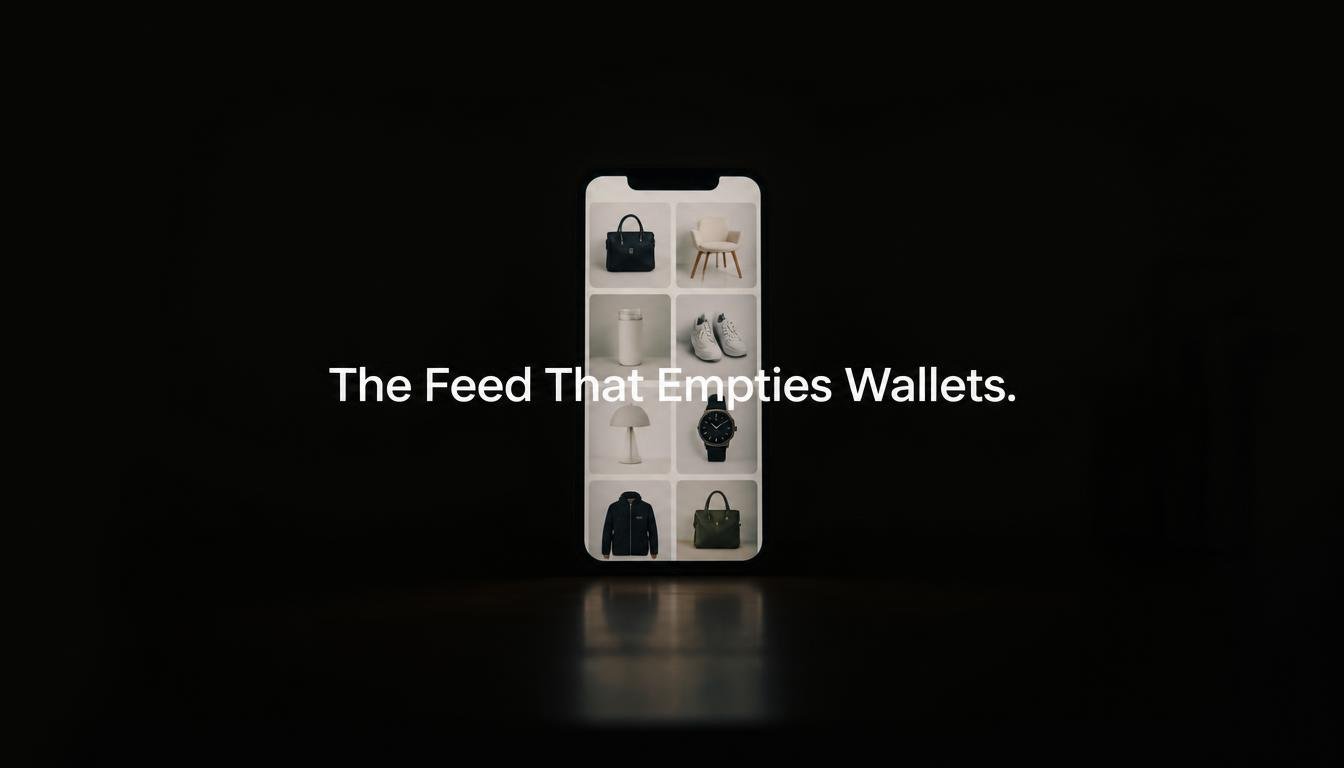
Social media spending influence works quietly, in the background of an ordinary scroll. A video shows a product. A post shows a trip. A story shows a home makeover. None of it feels like an ad, yet each one nudges spending in a real, measurable way.
This matters because most people underestimate how much this influence actually shapes their choices. The pull rarely feels like pressure. It feels like inspiration, which makes it far easier to miss and far harder to resist.
Does Social Media Actually Increase Spending?
Yes, and the evidence is consistent across many studies. People who spend more time on social platforms report higher rates of impulse buying, often tied directly to something they saw scrolling that same day.
This effect works partly because content rarely feels like marketing anymore. A friend’s post, an influencer’s honest-sounding review, a casual unboxing video- all these formats slip past the usual mental guard that a traditional ad would trigger right away.
Algorithms add another layer entirely. The more a person lingers on certain content, the more similar content the feed serves up next. This quietly builds a loop that keeps products in constant view without ever feeling like a sales pitch.
What Is Lifestyle Envy, Exactly?
Lifestyle envy is the quiet discomfort that comes from comparing your ordinary daily life to someone else’s carefully edited highlight reel. It rarely shows up as clear jealousy. It shows up as a vague sense that your own life falls a little short.
This feeling drives spending because a purchase offers a fast way to close that gap, at least on the surface. A new bag, a nicer setup, a trendier outfit- each one offers a small, quick sense of catching up to a standard that was never realistic in the first place.
The trouble is that the standard keeps moving. Someone else’s next post resets the bar again almost right away. This is exactly why this feeling rarely resolves through spending, no matter how much gets bought along the way.

How This Influence Sneaks Into a Normal Scroll
Social media spending influence rarely feels like a sales pitch. It feels like a normal part of scrolling, mixed in with real updates from real friends. This blending is exactly what makes it so easy to miss and so hard to resist.
A single session of scrolling can expose someone to dozens of products without a single traditional ad appearing. Each one arrives wrapped in a story, a review, or a casual mention, formats that slip past the usual mental defenses built for spotting a sales pitch.
Recognizing this influence is not about assuming bad intent everywhere. It is about noticing that a feed is rarely neutral, even when it feels like just a window into other people’s lives.
Keeping Up Appearances in a Very Public Way
Keeping up appearances has always existed, but social media adds a new layer of visibility that previous generations never had to manage. A purchase is no longer just seen by neighbors or coworkers. It can be documented and compared against a much wider audience.
This visibility can quietly raise the bar for what feels like a normal purchase. A trip, an outfit, or a home update starts to feel incomplete without being shared. This adds pressure to make choices partly for an audience, not purely for personal enjoyment.
Keeping up appearances online often runs beneath conscious awareness. Few people would say out loud that they bought something for likes, yet the pull toward a shareable purchase remains real all the same.
How Influencers Shape Everyday Spending Habits
Influencer spending pressure works differently than a traditional celebrity endorsement. An influencer often feels more like a friend than a distant public figure. This makes their recommendations feel personal rather than promotional.
This closeness builds real trust over time, even when the relationship is entirely one-sided. A follower who has watched someone daily for months can feel like they genuinely know that person. A product recommendation then lands with far more weight than a stranger’s ad ever could.
Influencer spending pressure also benefits from repetition. The same product shown across several posts, in slightly different contexts, starts to feel like common knowledge rather than one isolated recommendation. This holds true even when it traces back to one paid partnership.
How to Stop Comparing Lifestyles Online
A useful first step is naming the comparison out loud the moment it happens. Simply thinking “I am comparing my normal day to their highlight reel” breaks the automatic nature of the reaction, even without changing anything else right away.
Curating a feed on purpose helps too. Unfollowing accounts that consistently trigger comparison, even ones with genuinely nice content, is a reasonable and healthy choice. It is not an overreaction to a normal feeling.
Remembering the gap between a post and reality also helps in the moment. Nearly every polished photo hides an unglamorous version just outside the frame, one that rarely makes it into anyone’s feed.
Can a Social Media Break Actually Help?
Yes, and the effect tends to show up faster than most people expect. Even a short break, just a few days, often reduces the felt urgency behind unplanned purchases. This is one of the clearest ways to interrupt social media spending influence quickly. The constant visual stream of triggers simply stops arriving.
A full break is not required to see benefit. Removing apps from a phone’s home screen, or setting a firm time limit, can meaningfully reduce exposure without requiring someone to fully disconnect from social platforms altogether.
Many people notice the clearest sign of progress quickly. A product that felt urgent and essential during heavy scrolling often looks completely unnecessary again within just a few days of reduced exposure. This alone shows how much of the pull came from social media spending influence rather than real need.
Why This Influence Is Easy to Underestimate
Social media spending influence rarely announces itself the way a traditional ad does. It blends into a normal scroll, mixed in with real updates from real friends. This blending is exactly what makes the pull so easy to miss.
Influencer spending pressure adds to this effect directly. A familiar face recommending a product rarely triggers the same skepticism a billboard would. Trust built over months of watching someone online transfers quickly to whatever that person happens to promote.
Recognizing this pressure is not about assuming bad intent everywhere. It is about noticing that a feed is rarely neutral, even when it feels like just a window into other people’s ordinary lives.
A Quick Way to Test the Pull
Try this the next time a product feels urgent after scrolling. Close the app and wait twenty-four hours before buying anything. Notice whether the urge is still there the next day, or whether it quietly faded once the feed stopped refreshing it.
This simple test often reveals how much of the pull came from the scroll itself, not from any real, lasting need. Many people are surprised how often the urge simply disappears once the visual trigger is gone.
Conclusion
Social media spending influence works precisely because it rarely feels like influence at all. This is the same reason social media spending influence draws so much power from comparison, not from any real need behind the purchase itself.
This does not mean social media itself is the enemy. It means the constant, curated stream of other people’s highlight reels deserves a more honest, skeptical eye than most scrolling habits currently give it.
Start by noticing your next urge to buy something you saw online. Pause and ask where that urge actually came from. That simple pause is often where real financial clarity quietly begins.
Frequently Asked Questions
Yes, studies consistently link more time on social platforms to higher rates of impulse buying. This happens partly because content like influencer posts and friend updates rarely feels like traditional advertising, which lowers normal mental resistance.
Lifestyle envy is the quiet discomfort that comes from comparing an ordinary daily life to someone else’s curated highlight reel online. It often drives spending, since a purchase can offer a quick, if temporary, sense of closing that gap.
Influencers affect spending by building a sense of personal trust that feels more like a friend’s recommendation than a traditional ad. Repetition across several posts also makes a product feel like common knowledge rather than one paid promotion.
Stopping this comparison often starts with naming it out loud in the moment, curating a feed to remove consistent triggers, and remembering that most polished posts hide an ordinary, unglamorous reality just outside the frame.
Yes, even a short break of a few days often reduces the felt urgency behind unplanned purchases. Removing apps from a home screen or setting time limits can also meaningfully reduce exposure without requiring a full break.






- Be Respectful
- Stay Relevant
- Stay Positive
- True Feedback
- Encourage Discussion
- Avoid Spamming
- No Fake News
- Don't Copy-Paste
- No Personal Attacks
- Be Respectful
- Stay Relevant
- Stay Positive
- True Feedback
- Encourage Discussion
- Avoid Spamming
- No Fake News
- Don't Copy-Paste
- No Personal Attacks
