Treat Yourself Culture Spending Is Wrecking Your Budget
Published: 27 Aug 2026
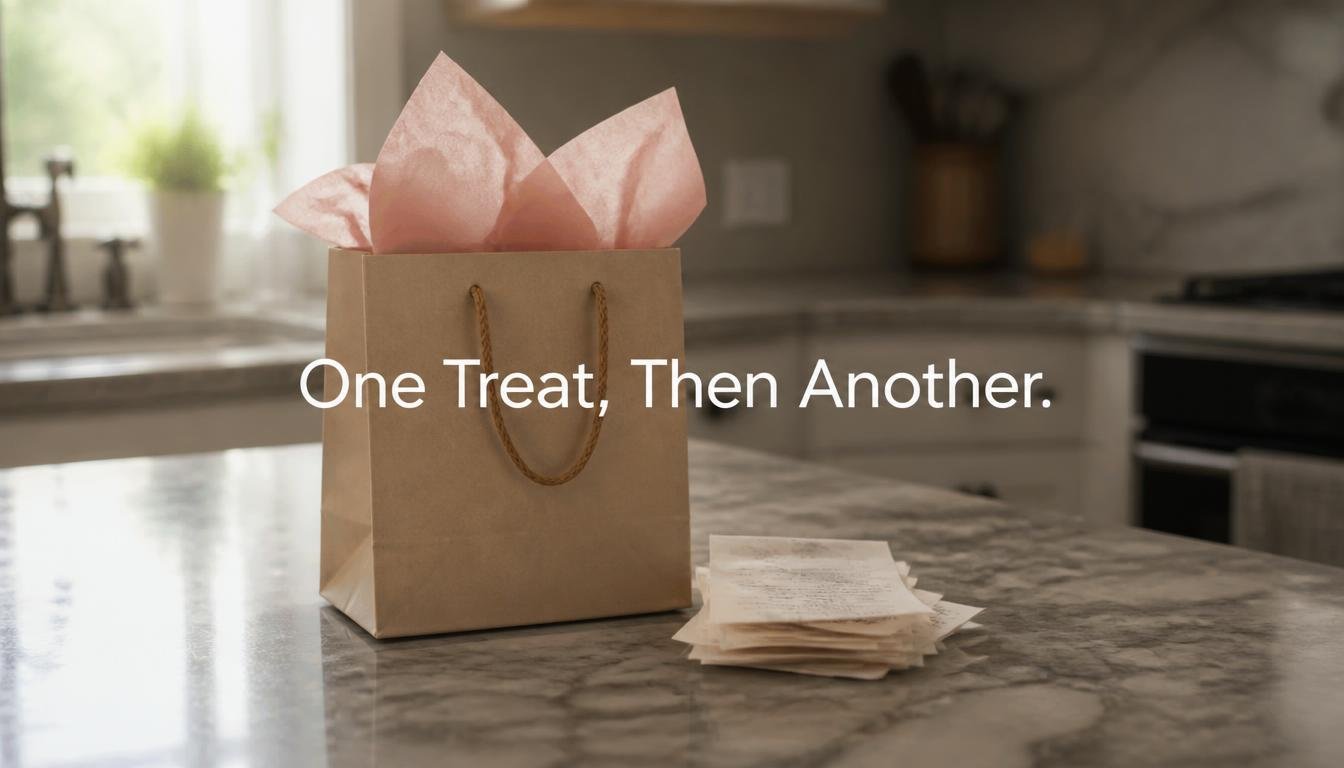
Treat yourself culture spending frames almost any purchase as deserved, deserved after a hard day, a hard week, or just because. The phrase feels harmless, even kind. Used often enough, it can quietly erode a budget one small purchase at a time.
This matters because these purchases rarely feel like a pattern in the moment. Each one gets justified on its own. The total, once actually added up, rarely matches the sense that nothing much happened.
Is “Treat Yourself” Culture Actually Harmful?
Not inherently, and that nuance matters. An occasional treat, chosen on purpose and genuinely enjoyed, is a normal part of a healthy financial life. The trouble starts when the phrase becomes a blanket excuse for nearly any purchase, regardless of budget or need.
Treat yourself culture spending becomes a problem specifically when it replaces actual financial decision making. Instead of asking whether a purchase fits a plan, the question quietly becomes whether it can be framed as deserved. Almost anything can pass that test if you try hard enough.
The line between healthy and harmful usually comes down to frequency and intention. A planned, occasional treat differs sharply from a daily default excuse reached for automatically, without much real thought behind it.
How Do Small Purchases Actually Add Up?
Small purchases add up through sheer repetition, not size. A five dollar coffee upgrade feels trivial alone. Repeated daily, it becomes a real, meaningful monthly total that rarely gets noticed until someone actually sits down and adds it up.
This is part of why small purchases add up so easily without triggering alarm. Each one falls under the mental radar that larger purchases would trigger. Nobody feels a five dollar purchase the way they feel a five hundred dollar one, even though ten of them cost the same.
A useful way to see this clearly is picking one small recurring purchase and tracking it for thirty days. Most people are genuinely surprised by the total once it gets pulled out and added up on its own.

How This Habit Sneaks Into a Normal Week
Treat yourself culture spending rarely announces itself as a pattern. It shows up disguised as one small, reasonable choice at a time. Each single purchase feels minor and easy to justify on its own.
A simple way to see this clearly is tracking one category, like coffee or small online orders, for a full month. Most people are genuinely surprised by the total once treat yourself culture spending gets pulled out and added up separately from planned purchases.
Why This Pattern Feels So Reasonable Each Time
Treat yourself culture spending feels reasonable each time because the comparison point is always the single purchase, never the running total. Five dollars feels harmless next to a full paycheck. It rarely gets compared to the other four coffees bought that same week.
This is not a character flaw. It is simply how the brain evaluates small numbers, one at a time rather than cumulatively. Seeing the pattern requires deliberately zooming out, which rarely happens without a specific effort to track and add things up.
Self Care Spending Versus Genuine Self Care
Self care spending has become a common shorthand for buying something to feel better, and it is not automatically a bad thing. The trouble comes when spending becomes the default answer to nearly every form of stress, regardless of whether a purchase actually addresses the real need.
Genuine self care often costs little or nothing at all. Rest. Movement. A real conversation with a friend. Spending on comfort can complement these things, but it rarely replaces what they actually provide, no matter how good the purchase feels in the moment.
A useful check is asking what the purchase is actually meant to fix. If the honest answer is exhaustion, boredom, or loneliness, a purchase is unlikely to resolve any of it fully, even if it offers real comfort for a little while.
Justifying Purchases: The Mental Gymnastics Involved
Justifying purchases often involves a surprising amount of mental effort, more than the purchase itself usually deserves. “I worked hard this week.” “It was on sale.” “I deserve this.” Each phrase does real work, quietly moving a want closer to feeling like a need.
This justification rarely happens with full awareness. It runs almost automatically, smoothing over any hesitation before it has a chance to build into an actual pause. By the time a person notices the justification, the purchase is often already made.
Noticing this pattern does not require guilt. It simply requires attention. Catching the phrase “I deserve this” in real time, and asking honestly whether that is true, creates a small but useful gap before the next click.
What’s the Difference Between Self-Care and Overspending?
The difference rarely lives in the purchase itself. The same item can be either, depending on context. A candle bought within a planned budget is self care. The same candle, bought impulsively for the fifth time this month, is closer to overspending wearing a gentler name.
Budget is the clearest dividing line. This kind of spending fits inside a plan, even a loose one. Overspending ignores the plan entirely, relying on justification to smooth over the gap between intention and actual behavior.
Frequency matters too. An occasional treat rarely causes real harm. A daily or weekly habit of treat yourself culture spending, even in small amounts, adds up to a real and measurable financial cost over time.
How to Enjoy Spending Without Guilt or Excess
A useful approach separates enjoyment from excess without eliminating either one. Planning treats in advance, rather than deciding in the moment, keeps the enjoyment intact while removing the automatic, unconscious quality that leads to overspending.
Setting a specific amount for fun spending each month works well here. Knowing there is genuine room for enjoyment removes the need to justify every single purchase, since the spending was already planned and approved in advance.
This approach also removes guilt from purchases that fall within the plan. A treat bought inside a set budget needs no justification at all. It was already decided to be okay before the moment of spending even arrived.
How Do I Set a Fun-Spending Limit?
Setting a fun spending limit starts with an honest look at current spending, not a guess. Reviewing the last month of small, treat style purchases gives a realistic starting number, rather than an arbitrary one pulled from nowhere.
From there, round to a comfortable, sustainable amount. This number should feel generous enough to actually enjoy, not so tight that it triggers the same restriction and rebound cycle it was meant to prevent in the first place.
Keeping this limit visible matters too. A separate account, or a simple running note, makes the number real and trackable, rather than an abstract goal that quietly gets ignored once the month gets busy.
Conclusion
Treat yourself culture spending is not the enemy of a healthy budget, but left unchecked, it can quietly become one. Self care spending and the habit of justifying purchases both trace back to the same root. Small, individually reasonable choices add up to a real total that rarely gets noticed until later.
This does not mean treats should disappear. It means they work best with a plan attached, rather than a phrase used to skip past one entirely.
Start by setting one small, specific fun spending limit this month. Notice how it feels to enjoy a purchase that was already planned and approved. That shift is often where guilt free spending quietly begins, one honest number at a time.
Frequently Asked Questions
It can be, though not inherently. An occasional, planned treat is a normal part of healthy spending. It becomes harmful mainly when the phrase turns into a blanket excuse for frequent, unplanned purchases regardless of budget.
Small purchases add up through repetition rather than size, since each one falls under the mental radar that larger purchases would trigger. A small daily expense can become a significant monthly total without ever feeling notable in the moment.
Enjoying spending without guilt often involves planning treats in advance and setting a specific fun spending amount each month. This keeps enjoyment intact while removing the automatic, unconscious spending that leads to excess.
The difference usually comes down to budget and frequency rather than the item itself. Self care spending fits inside a planned amount, while overspending ignores that plan and relies on justification to smooth over the gap.
Setting a fun spending limit starts with reviewing a recent month of small, treat style purchases to get a realistic baseline. From there, round to a sustainable amount and keep it visible, such as in a separate account or note.






- Be Respectful
- Stay Relevant
- Stay Positive
- True Feedback
- Encourage Discussion
- Avoid Spamming
- No Fake News
- Don't Copy-Paste
- No Personal Attacks
- Be Respectful
- Stay Relevant
- Stay Positive
- True Feedback
- Encourage Discussion
- Avoid Spamming
- No Fake News
- Don't Copy-Paste
- No Personal Attacks
