Simple Anxiety Management Techniques Everyone Should Know
Published: 19 Jun 2026
Introduction
A racing heart before a big meeting. A tight chest on a Sunday night before the work week starts. A mind that will not slow down, no matter how tired the body feels. Anxiety shows up in many forms, and almost everyone experiences some version of it at some point in life.
The good news is that anxiety management techniques do not need to be complicated or expensive to work. Many of the most effective tools are simple, backed by real research, and can be learned in a few minutes. The harder part is knowing which ones actually help and how to use them in the moment they are needed.
This article walks through breathing methods, muscle relaxation, journaling, food triggers, and grounding tools that are easy to start using today. Each section explains not just what to do, but why it works, so you can choose what fits your life best.
1. What Happens in Your Body During Anxiety
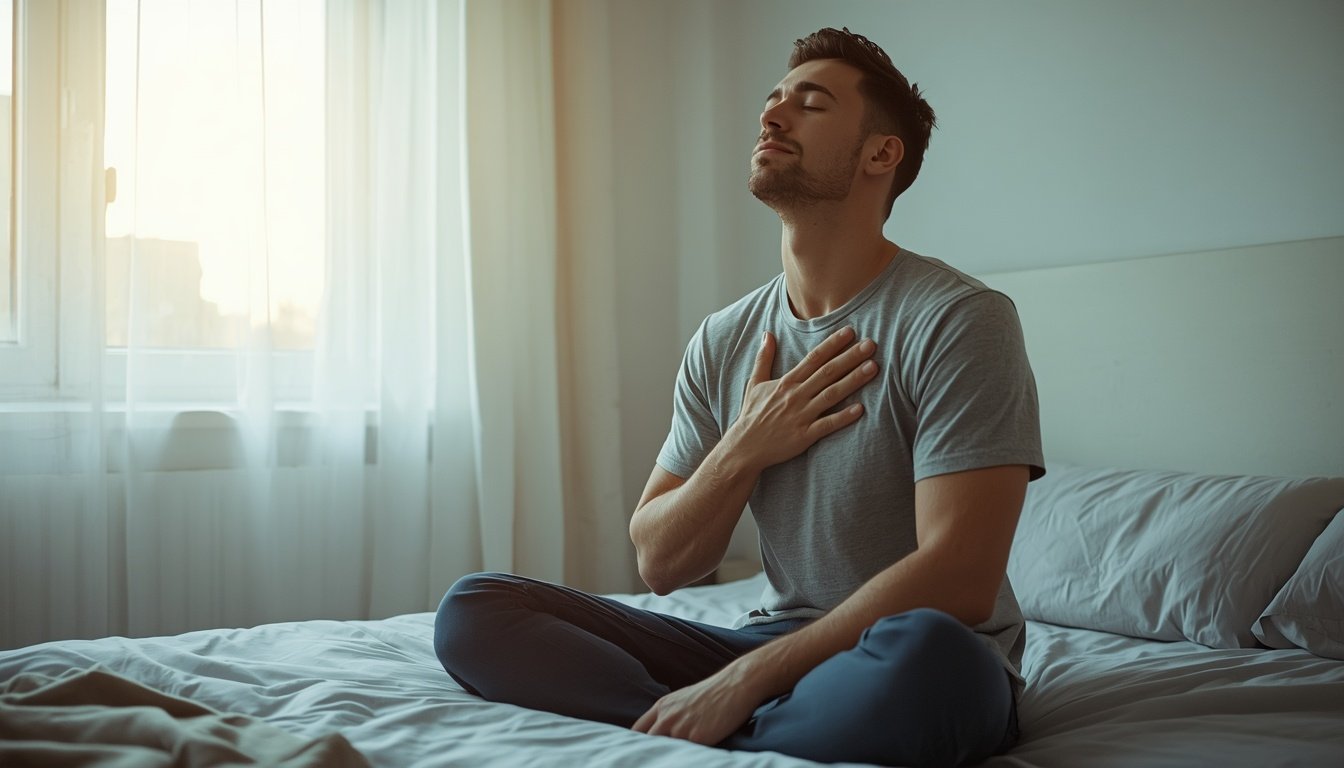
Anxiety is not just a thought. It is a full-body response. When your brain senses a threat, real or imagined, it triggers a chain reaction. Your heart beats faster. Your breathing becomes shallow. Your muscles tighten. This is the body preparing to either fight, run, or freeze, a reaction left over from much older times.
The problem is that this system does not always know the difference between real danger and a stressful email. The body can react the same way to a tight deadline as it does to actual danger. The heart races, the palms sweat, and the mind starts to spiral, even though nothing physically dangerous is happening.
Understanding this is the first step toward calming it. Anxiety is not a character flaw or a sign of weakness. It is a biological response that can be interrupted and calmed with the right tools. Once you know what is happening inside your body, the techniques that follow start to make a lot more sense.
2. Breathing Methods That Calm the Nervous System
Among all anxiety management techniques, controlled breathing is one of the fastest and most studied. Slow, deliberate breathing sends a direct signal to the brain that the body is safe, which switches off the stress response within minutes.
Box breathing is one of the most popular anxiety relaxation tips because it is easy to remember and works almost anywhere. Breathe in slowly for four counts. Hold the breath for four counts. Breathe out for four counts. Hold again for four counts before repeating. This even pattern slows the heart rate and gives the mind something simple to focus on instead of racing thoughts.
Another option is the 4-7-8 method. Breathe in through the nose for four counts, hold for seven, and breathe out slowly through the mouth for eight. The longer exhale is what does most of the work here, since a long exhale activates the part of the nervous system responsible for calm.
These breathing methods are some of the most reliable anxiety relaxation tips available because they work fast and need no equipment. A few minutes each morning trains the body to access this calm state more easily when anxiety actually strikes later in the day.

3. Progressive Muscle Relaxation for Tense Moments
Anxiety often shows up physically before it shows up in thought. Tight shoulders. A clenched jaw. Hands that will not unclench. Progressive muscle relaxation works directly on this physical tension, which in turn helps calm the mental side of anxiety as well.
The method is simple. Start with your feet. Tense the muscles tightly for about five seconds, then release and notice the difference between tension and relaxation. Move slowly up through your legs, stomach, hands, arms, shoulders, and face, tensing and releasing each area in turn.
Among anxiety relaxation tips that target the body directly, this technique can genuinely help during a panic attack as well, though it works best as a preventative practice attempted before intense panic builds, when even simple instructions can feel overwhelming to follow. Practicing it during calmer moments builds familiarity, so the body remembers how to release tension faster when anxiety does spike.
Many people find this method useful before sleep. Physical tension is a big reason anxious thoughts keep people awake at night. A full body scan, tensing and releasing each muscle group, often makes it easier to drift off.
4. Journaling as a Daily Anxiety Management Strategy
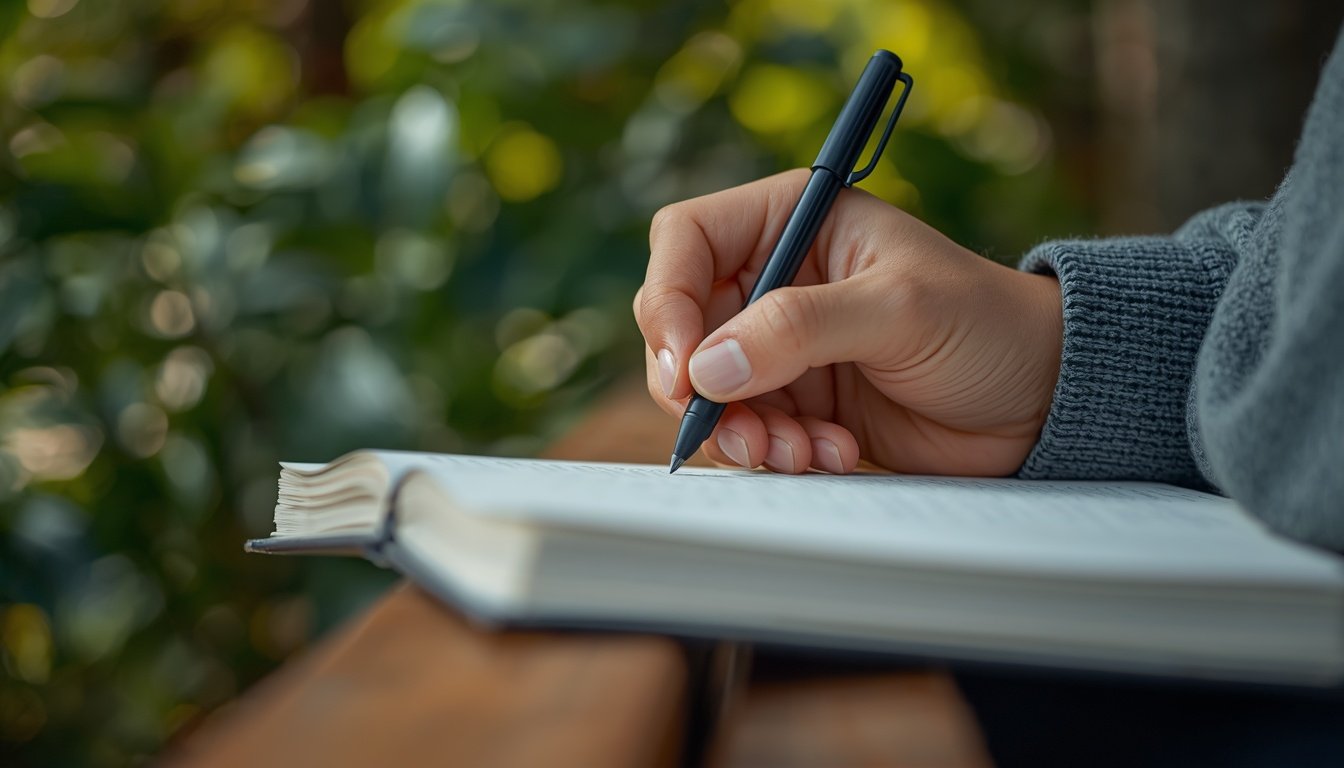
Anxious thoughts tend to grow louder the longer they stay unspoken inside your head. Writing them down is one of the most accessible anxiety management strategies because it requires nothing more than a pen, paper, and a few honest minutes.
The simplest approach is to write without editing. Set a timer for five minutes and let every anxious thought spill onto the page exactly as it appears, without worrying about grammar or making sense. This process, sometimes called a brain dump, moves thoughts out of your head and onto something external, which often makes them feel smaller and more manageable.
A more structured option is to write down the anxious thought. Then ask what evidence supports it. Ask what evidence challenges it, too. This simple structure is one of the most reliable strategies for anxiety management because it slows down racing thoughts and brings a more balanced perspective into view.
Doing this consistently, even just a few times a week, is one of the simplest anxiety management strategies for building awareness of patterns. Many people notice the same handful of worries returning again and again. Seeing this clearly on paper often reduces their power, since repeated worries lose some of their grip once they are recognized as familiar visitors rather than new emergencies.
5. Foods and Habits That Affect Anxious Feelings
What you eat and drink plays a real role in how anxious you feel, even though it is often overlooked. Good anxious management is not only about mental tools. It also includes paying attention to what fuels the body throughout the day.
Caffeine is one of the most common triggers. It raises heart rate and can mimic many of the physical symptoms of anxiety, including a racing pulse and jittery hands. For people prone to anxious feelings, even a single afternoon coffee can be enough to spark unease that lasts for hours.
Sugar and processed foods can cause blood sugar to spike and then crash. That crash often brings irritability and a shaky, anxious feeling. Alcohol, while it may feel calming in the moment, frequently leads to more anxious feelings the following day as the body works to restore balance.
On the helpful side, foods rich in magnesium, like nuts, seeds, and leafy greens, support a healthy nervous system. Staying properly hydrated and eating regular, balanced meals rather than skipping them also keeps blood sugar steady, which in turn keeps mood and anxiety management more stable throughout the day.
6. Grounding Techniques for Sudden Anxious Moments
Among the best anxiety management techniques for sudden, intense moments are grounding methods, which pull attention away from spiraling thoughts and back into the present physical moment.
The five-senses method is one of the best anxiety management techniques to start with. Name five things you can see. Then four things you can touch. Then three things you can hear, two things you can smell, and one thing you can taste. This slow walk through your senses interrupts the spiral of anxious thought and anchors attention firmly in the present moment.
Cold exposure is another of the best anxiety management techniques for sudden moments, such as briefly holding a cold object or splashing cool water on the face. This sudden temperature change can interrupt a panic spiral by shifting the nervous system’s focus away from anxious thoughts and toward the physical sensation instead.
Simply naming the feeling out loud, saying something like “I am feeling anxious right now,” can also reduce its intensity. This works because labeling an emotion engages the part of the brain responsible for reasoning, which naturally quiets the part driving the panic response.

7. Building These Strategies Into a Daily Routine
Knowing these tools is only useful if they become part of daily life rather than something remembered only in a crisis. The strategies for anxiety management that work best are the ones practiced regularly, not just reached for during a panic moment.
Pick one technique to start with rather than trying everything at once. Practice box breathing for five minutes each morning, or write in a journal for five minutes before bed. Building one small habit consistently is far more effective than attempting five new strategies for anxiety management all at the same time.
Among all the anxiety management strategies covered here, pay attention to what works for your specific body and mind. Some people respond strongly to breathing exercises, while others find more relief through movement or grounding techniques. There is no single right answer, only the approach that genuinely helps you feel calmer and more in control.
These tools are valuable. They can make a real difference day to day. But they are not a replacement for professional support when anxiety is frequent or severe. If anxiety feels overwhelming or constant, speaking with a doctor or licensed therapist is an important and worthwhile step.
Conclusion
Anxiety can feel overwhelming, but it is not something you have to face without tools. Breathing methods, muscle relaxation, journaling, mindful eating, and grounding techniques each offer a different way to bring the body and mind back to a calmer state.
Good anxious management starts small. Choose one technique from this article and practice it consistently for a week before adding another. Over time, these tools become second nature, ready to use the moment anxious feelings begin to rise.
This article is for general information and does not replace professional medical or mental health advice. If you experience frequent panic attacks or anxiety that affects your daily life, please consult a doctor or licensed mental health professional for proper support.
Related Articles
- Building Strong Mind Habits for Better Focus and Clarity
- How to Develop a Better Mindset and Change Your Life
Frequently Asked Questions
It can help, but it works best as a preventative practice rather than during an active panic attack, when following multi-step instructions feels harder. Practicing it regularly builds the skill so the body responds faster when anxiety spikes.
Box breathing is highly effective for many people because the even, structured pattern slows the heart rate and gives the mind a simple focus point. Most people notice a calming effect within a few minutes of practice.
Yes, journaling helps move anxious thoughts out of your head and onto paper, which often makes them feel smaller and easier to manage. Writing regularly also helps reveal patterns in what triggers anxious feelings.
Caffeine, alcohol, and high-sugar processed foods are common triggers because they affect heart rate and blood sugar in ways that mimic or worsen anxious symptoms. Balanced meals and proper hydration tend to support a calmer baseline.
If anxiety is frequent, intense, or interfering with work, sleep, or relationships, it is worth speaking with a doctor or licensed therapist. Professional support can offer treatment options beyond what self-help techniques alone can provide.




- Be Respectful
- Stay Relevant
- Stay Positive
- True Feedback
- Encourage Discussion
- Avoid Spamming
- No Fake News
- Don't Copy-Paste
- No Personal Attacks
- Be Respectful
- Stay Relevant
- Stay Positive
- True Feedback
- Encourage Discussion
- Avoid Spamming
- No Fake News
- Don't Copy-Paste
- No Personal Attacks
