Simple Budgeting Tips to Master Budget Planning and Tracking
Published: 11 Jun 2026
Introduction
Tell someone they need a budget and watch their face change. For most people, the word alone brings up images of restriction, sacrifice, and spreadsheets full of guilt. That reaction is completely understandable. And it is also the reason most budgets fail before they even begin.
A real spending plan looks nothing like that. The best budgeting tips are not about living smaller. They are about living more deliberately. When you know exactly where your money is going, you stop losing it to things you never consciously chose.
This article covers the practical side of building a plan that actually works for real life, not an idealized one. Simple, honest, and fully explained from start to finish.
1. Why Most People Avoid Making a Spending Plan
Most people avoid making a money plan for one simple reason. They are afraid of what they will find. Seeing the numbers laid out honestly feels uncomfortable. It means facing habits that are easier to ignore. So they keep going without a plan and wonder each month why things feel so tight.
Another common reason is the belief that a spending plan means giving up everything enjoyable. No eating out, no fun, no treats. This idea is completely wrong. A good spending plan includes the things you enjoy. It just makes sure those things are chosen rather than accidental.
The truth is that not having a money plan costs far more than having one. Without direction, spending expands to fill whatever income arrives. With a clear plan, you make deliberate choices and keep more of what you earn. Awareness is not painful. It is powerful.
2. What a Budget Actually Is and Why It Works
A budget is simply a plan for your money. Nothing more. You decide in advance how much goes toward needs, how much toward wants, and how much toward savings. That decision, made before the month begins, is what separates people who feel in control of their finances from those who constantly wonder where everything went.
Budget planning works because it removes guesswork. Instead of hoping you have enough at the end of the month, you know exactly what you have and where it is going. Every rupee gets a job. Rent, food, savings, fun, all of it is accounted for before you spend a single one.
The most important budgeting tips all start from this same foundation. Know your income. Know your fixed costs. Decide what the rest does. It sounds simple because it is. The difficulty is not the concept. It is building the habit of doing it consistently every single month.
3. How to Build Your First Monthly Spending Plan
Building your first monthly spending plan takes about 30 minutes. That is all. Here is how to do it step by step.
Start by writing down your total monthly income after taxes. This is your starting number. Everything else comes from this. Next, list every fixed expense you have. Rent, loan payments, utility bills, phone, and subscriptions. These amounts do not change much month to month. Add them up and subtract from your income.
What remains is your flexible spending money. Divide it intentionally. Decide how much goes to groceries, transport, eating out, personal care, and entertainment. Then decide how much goes into savings before you spend anything else. Savings come first, not last.
Good budgeting and planning do not require perfection in the first month. Your numbers will shift. You will forget a cost here or underestimate something there. That is completely normal. The point is to start. Adjust as you go. By month three, your plan will feel natural and accurate.
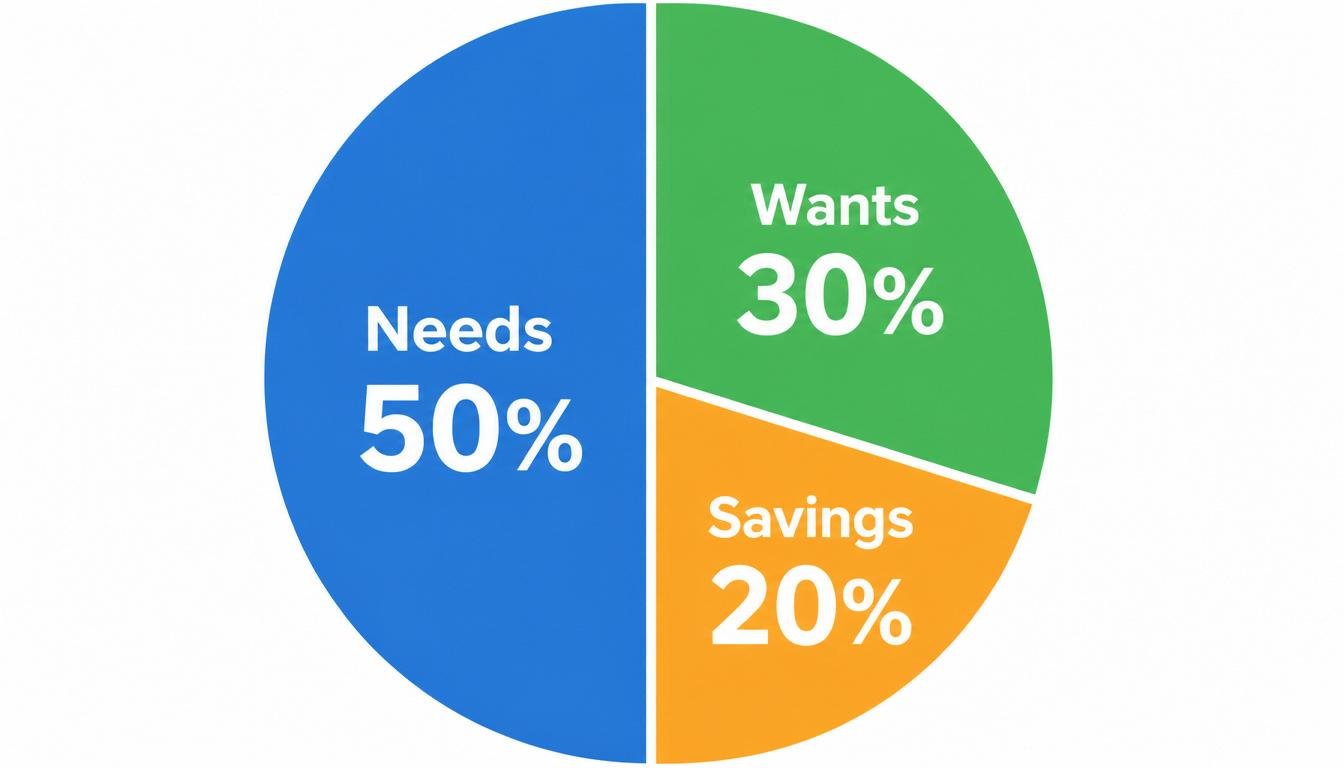
One of the most popular frameworks for dividing your income is the 50/30/20 rule. Put 50 percent toward needs, 30 percent toward wants, and 20 percent toward savings and debt. Use it as a starting guide, not a rigid rule. Adjust the percentages to fit your actual life.
4. The Best Ways to Track Where Your Money Goes
Making a plan is step one. Tracking the budget is step two, and it is just as important. A plan you never check is a plan that quietly falls apart. Knowing where your money actually went at the end of each week keeps you honest and helps you make better decisions going forward.
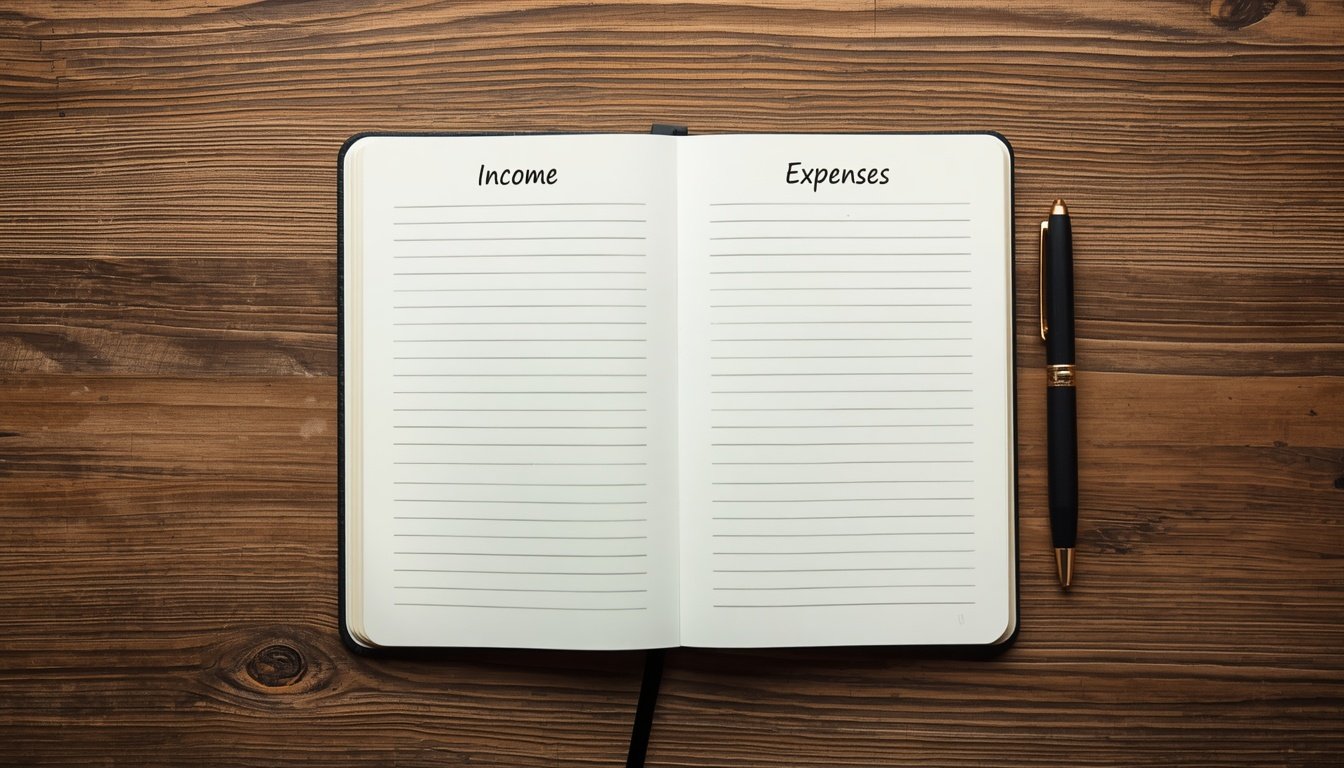
There are several ways to do this. The simplest is a notebook. Write down every purchase as it happens. This old-school method works because the physical act of writing makes you pause and notice. Many people who try this are shocked by how quickly small purchases add up across a week.
Spreadsheets are another solid option for tracking budget progress. Set up a simple template with your categories across the top and dates down the side. Update it a few times a week. This gives you a clear visual of where you stand against your plan at any point in the month.
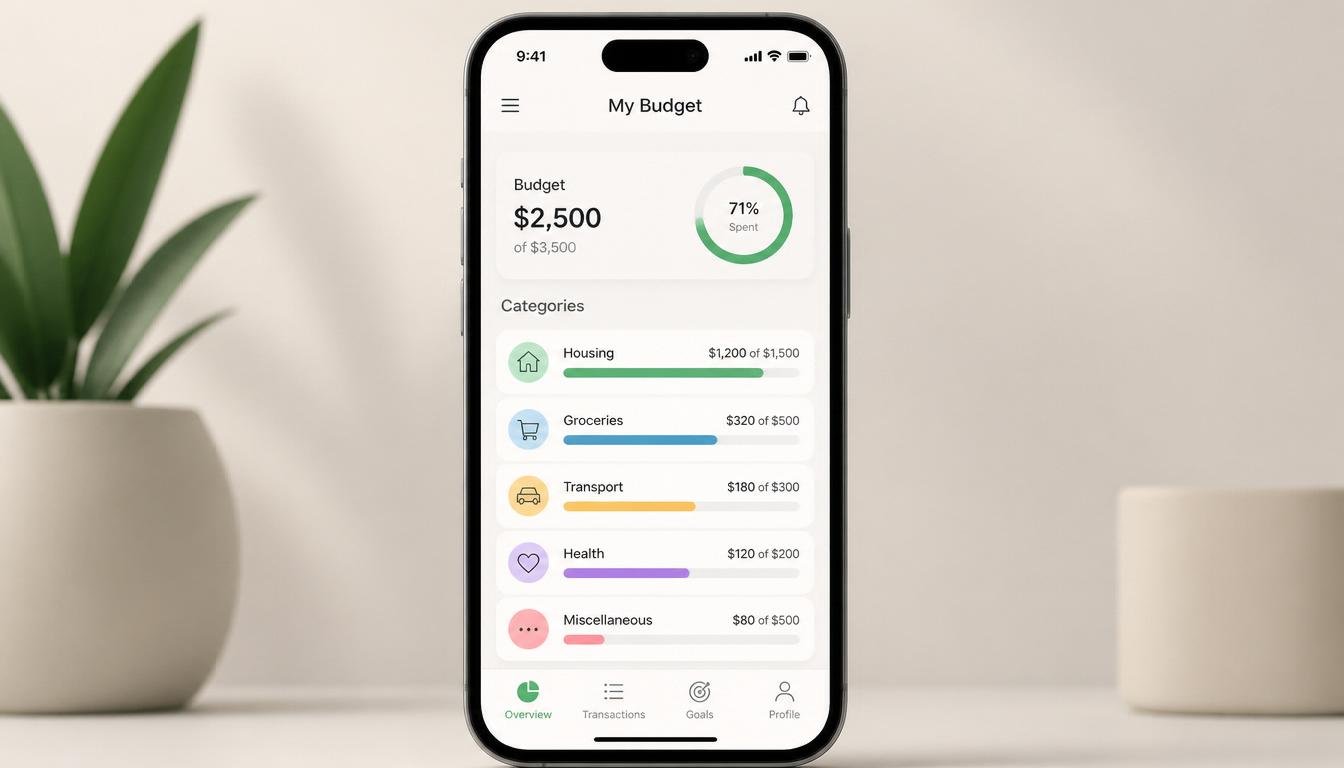
Free apps like Mint, YNAB, or similar tools available in your country can automate the tracking budget process almost entirely. They link to your accounts, categorize transactions, and send alerts when you are getting close to a limit. For people who find manual tracking difficult, an app removes most of the friction.
Whichever method you choose, the habit of checking your numbers regularly is what separates a plan that works from one that gets abandoned by week two.
5. Simple Rules That Make Managing Money Much Easier
Some of the most effective budgeting tips are not about numbers at all. They are about behavior. These simple rules make it far easier to stay on track without constant willpower.
Pay yourself first. The moment your income arrives, move your savings amount to a separate account before you do anything else. What remains is what you spend. This one rule alone solves the most common reason people fail to save, which is that they spend first and try to save what is left. There is rarely anything left.
Use the 24-hour rule for any unplanned purchase. Before buying something that was not in your plan, wait a full day. Most impulse purchases feel far less important the next morning. This one pause saves more money than most people realize.
Review your spending plan every month, not once a year. Life changes. Costs shift. A plan reviewed monthly stays accurate and useful. One reviewed annually is usually out of date long before anyone notices.
Smart budgeting and planning also means building a small buffer into your monthly plan. Add a miscellaneous category of 5 to 10 percent of your flexible spending. Life always has surprises. A buffer absorbs them without breaking your entire plan.
The best budget planning approach is the one you will actually follow. Keep it simple. Keep it honest. And keep it flexible enough to work in the real world, not just on paper.
6. How to Stick to Your Plan When Life Gets Hard
Following a money plan is easy in a calm month. The real test comes when something unexpected happens. A car repair, a medical bill, a social event that costs more than you planned. These moments are where most people abandon their plan entirely and go back to spending without direction.
The most important budgeting tips for difficult months are simple. Do not abandon the plan. Adjust it. Move money from one category to cover the unexpected cost. Accept that some months will not go perfectly. Then, reset and start fresh the following month.
A setback is not a failure. It is information. It tells you where your plan needs a stronger buffer or where your estimates were too optimistic. Use it to improve the next month rather than as a reason to quit.
The people who succeed with their money long term are not the ones who never slip. They are the ones who get back on track quickly without guilt and without drama. Good budgeting tips are only useful if you apply them consistently over months and years, not just when conditions are perfect.

Conclusion
Managing your money well does not require perfection. It requires intention. A simple plan made at the start of each month, checked regularly, and adjusted when needed is all it takes to go from feeling financially stressed to feeling genuinely in control.
The budgeting tips in this article are not complicated. They are practical, proven, and completely doable for anyone at any income level. Start with one step this week. Write down your income and your fixed costs. That single action begins a habit that will quietly change your financial life.
Your money deserves a plan. And so do you. Strong budgeting and planning habits built today will quietly change your financial life for years to come.
Related Articles
- 12 Personal Finance Tips That’ll Actually Make You Feel Financially Free
- Money Tips Saving Secrets Nobody Tells You
- Independence Finance Guide to Take Control of Your Future
Frequently Asked Questions
Write down your monthly income, list all fixed expenses, then decide how to divide what remains between needs, wants, and savings. Check your spending regularly against that plan and adjust as needed.
A budget is a plan that tells your money where to go before you spend it. It gives every rupee a purpose and helps you stay in control of your finances each month.
A spending plan stops money from disappearing without purpose. It reduces financial stress, helps you save consistently, and gives you a clear picture of where you stand at any point in the month.
Start with your total income, subtract fixed costs, then divide the rest between categories like food, transport, entertainment, and savings. Use the 50/30/20 rule as a starting guide and adjust to fit your real life.
List your income, write down every regular expense, set limits for flexible spending categories, and move savings out first. Review it weekly and adjust it monthly to keep it accurate and useful.






- Be Respectful
- Stay Relevant
- Stay Positive
- True Feedback
- Encourage Discussion
- Avoid Spamming
- No Fake News
- Don't Copy-Paste
- No Personal Attacks
- Be Respectful
- Stay Relevant
- Stay Positive
- True Feedback
- Encourage Discussion
- Avoid Spamming
- No Fake News
- Don't Copy-Paste
- No Personal Attacks
