Feast or Famine Spending, and Why It Keeps Happening
Published: 17 Aug 2026
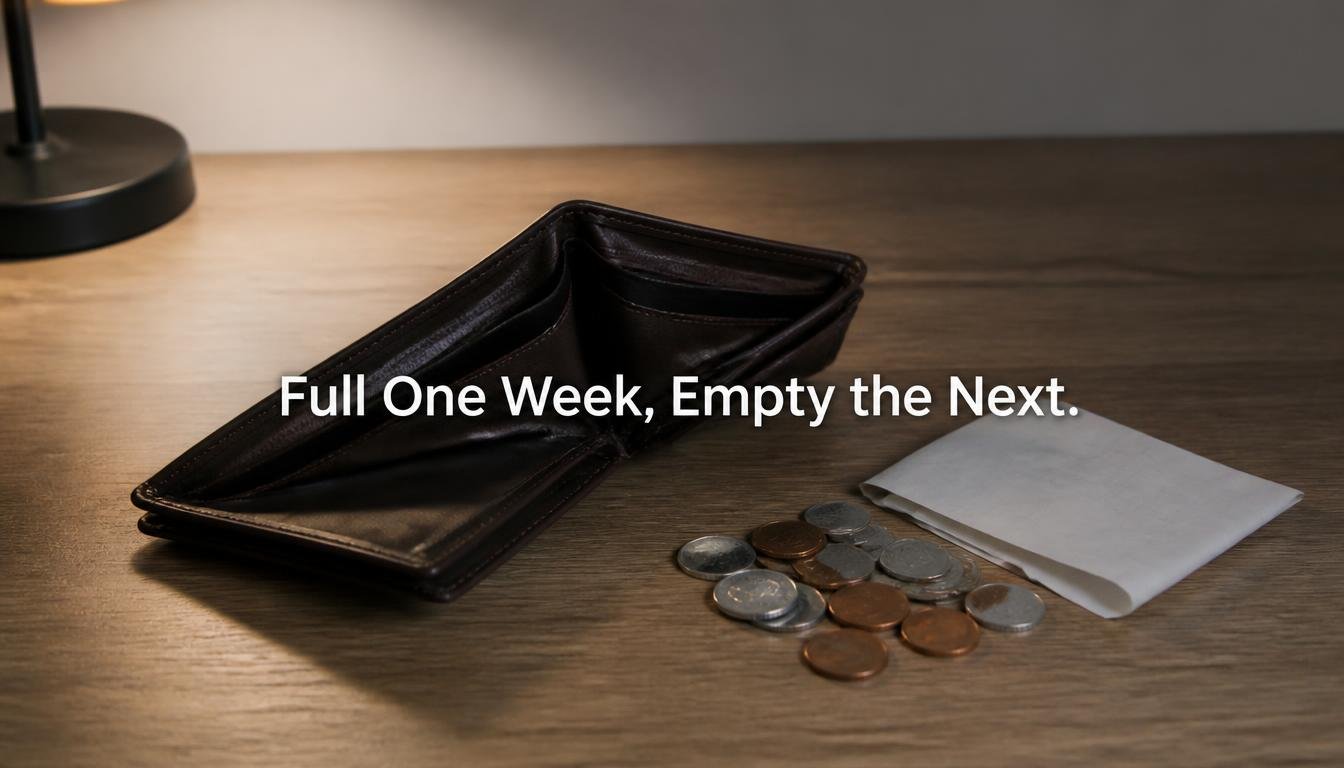
Feast or famine spending is the cycle of spending freely right after payday, then scraping by right before the next one arrives. It feels like a money problem. It is often a timing problem wearing a money costume, driven more by relief and habit than by the actual numbers in the account.
This matters because the cycle tends to repeat no matter how much a person earns. A raise often just pushes the feast further out. It never closes the famine at the end. Breaking the pattern starts with seeing why it forms in the first place.
Why You Overspend Right After Payday
Payday brings a rush of relief that logic alone rarely controls. After days of watching a balance shrink, seeing it jump back up feels like safety returning all at once. That relief makes spending feel not just okay, but almost earned.
This reaction makes basic sense. The brain treats a low balance like a mild, ongoing stress signal. Payday shuts that signal off fast. The sudden calm can easily get mistaken for real financial security. The math has not actually changed much at all.
Spending right after payday also carries less visible friction. The money feels new and unclaimed. It almost feels like it belongs to a different, more relaxed version of yourself. Not the one who will need it in two weeks.
What Feast or Famine Spending Actually Looks Like
This pattern usually follows a familiar shape. The first few days after payday bring bigger purchases, more takeout, and looser spending overall. The final days before the next payday bring the opposite mood. Careful math. Skipped extras. A tighter, more worried mood around money.
Some people notice this shift happens almost on autopilot, without a clear decision behind it. Spending simply feels easier early in the cycle and harder near the end. It is as if the money itself carries a different mood depending on the day.
This cycle can repeat for years without ever fully registering as a pattern. Each month can feel like its own story. The shape underneath rarely changes much at all.
The Same Paycheck, Two Different Feelings
The same amount of money can feel very different, based on when you look at it. On payday, a few hundred dollars feels generous, almost limitless. A week later, that same amount can feel tight and stressful. The math barely shifted.
This is not really about the number. It is about setting. Spending after payday happens against a backdrop of relief and possibility. Spending before payday happens against a backdrop of scarcity and pressure. The dollar amount stays the same. The feeling around it does not.
Seeing this clearly can help loosen the emotional grip of feast or famine spending. The money was never really worth more early in the cycle. It just felt that way. That is timing, not truth.
Inconsistent Money Habits: The Root Cause
Inconsistent money habits usually come from a missing structure, not a lack of care. Without a clear plan, the brain defaults to whatever feels most urgent or most fun in the moment. That is rarely the same thing as what matters most.
This is not the same as being careless. Many people caught in this cycle track spending closely. They still feel out of control. Tracking alone does not build the structure a steadier system gives you. Watching a pattern is not the same as changing it.
This pattern also feeds itself over time. A tight final week creates real relief once payday arrives. That relief then feeds the very spending burst that caused the tight week in the first place.
Why Spending After Payday Feels So Emotional
Spending after payday rarely feels like a neutral choice. It often feels like a small reward for making it through another stretch of careful living. This weight is exactly why plain logic struggles to break the pattern on its own.
The feeling underneath is usually relief, sometimes even a quiet sense of joy. Spending becomes a way of marking the moment. It feels like a small finish line reached after a stretch of restriction. This makes the spending feel earned, even necessary, rather than optional.
A numbers based fix, like a stricter budget, often misses the real driver. The number was never the whole problem.
Financial Mood Swings and What They Signal
Financial mood swings often move in step with the payday cycle itself. Confidence and ease early in the cycle. Tension and worry near the end. These shifts are not random. They reflect a bank balance that swings sharply enough to genuinely affect mood.
This pattern can shape bigger choices too, not just daily spending. It can affect when someone applies for a new job. It can shape a big purchase, or even whether someone checks their account at all. It all depends on which part of the cycle they are in that day.
Noticing this rhythm is genuinely useful. A mood swing tied to the calendar sends a clear signal. Structure is the missing piece, not more willpower.
How to Create Consistent Spending Habits
A simple shift can break this cycle. No complicated system is required. Splitting income into weekly amounts, rather than treating the full paycheck as available all at once, softens the sharp swing between feast and famine.
Making this automatic removes the daily choice. Set up an automatic transfer. Move a fixed weekly amount into a spending account, right on payday. This keeps the full paycheck from ever feeling fully available in the first place.
A small buffer helps too. Keeping even a modest cushion in the spending account between paydays reduces the desperate, tight feeling that often triggers the next spending burst.
What Happens When Income Is Irregular
This cycle can feel even sharper for people with uneven income, like freelancers or those paid on commission. A big month can trigger a strong feast response. The famine that follows can stretch far longer than a normal two week gap.
The same core fix still applies, just scaled differently. Pay yourself a steady weekly amount from a larger buffer account, regardless of how any single month performed. This creates a steady, fake payday even when real income swings a lot, which softens feast or famine spending considerably.
Conclusion
Feast or famine spending is less about bad math. It is more about a missing structure around real feeling. Inconsistent money habits and financial mood swings both point to the same root cause. Money without a clear plan tends to follow feeling, not logic.
This cycle is not a sign you failed. It is a normal result of treating a paycheck as one single event. A paycheck is really meant to stretch evenly across the days ahead.
Start with one small change this pay cycle. Split your income into smaller, spaced out amounts. Notice how much steadier the weeks start to feel. That single shift is often where the cycle finally begins to break.
Frequently Asked Questions
Overspending after payday often comes from relief, not carelessness. A low balance creates mild ongoing stress. That signal switches off fast once payday hits, which can make spending feel earned rather than risky in the moment.
Feast or famine spending is a repeating cycle. Free spending follows getting paid. Tight, careful spending follows right before the next payday. It reflects a timing pattern rather than a true lack of money.
Fixing inconsistent money habits often starts with splitting a paycheck into smaller, weekly amounts. This works better than treating it as one large sum. Automating this split removes the daily decision and helps spending stay steady.
Spending often feels emotional because it is tied to relief after a stretch of careful living. This relief can make a purchase feel like a small reward or celebration, which is why logic alone often struggles to interrupt the pattern.
Stopping this pattern can involve automating a weekly transfer into a spending account. A small buffer between paychecks helps too. So does noticing the emotional relief driving early purchases before acting on it.






- Be Respectful
- Stay Relevant
- Stay Positive
- True Feedback
- Encourage Discussion
- Avoid Spamming
- No Fake News
- Don't Copy-Paste
- No Personal Attacks
- Be Respectful
- Stay Relevant
- Stay Positive
- True Feedback
- Encourage Discussion
- Avoid Spamming
- No Fake News
- Don't Copy-Paste
- No Personal Attacks
