How to Build Self Confidence When Nothing Else Has Worked
Published: 11 Jul 2026
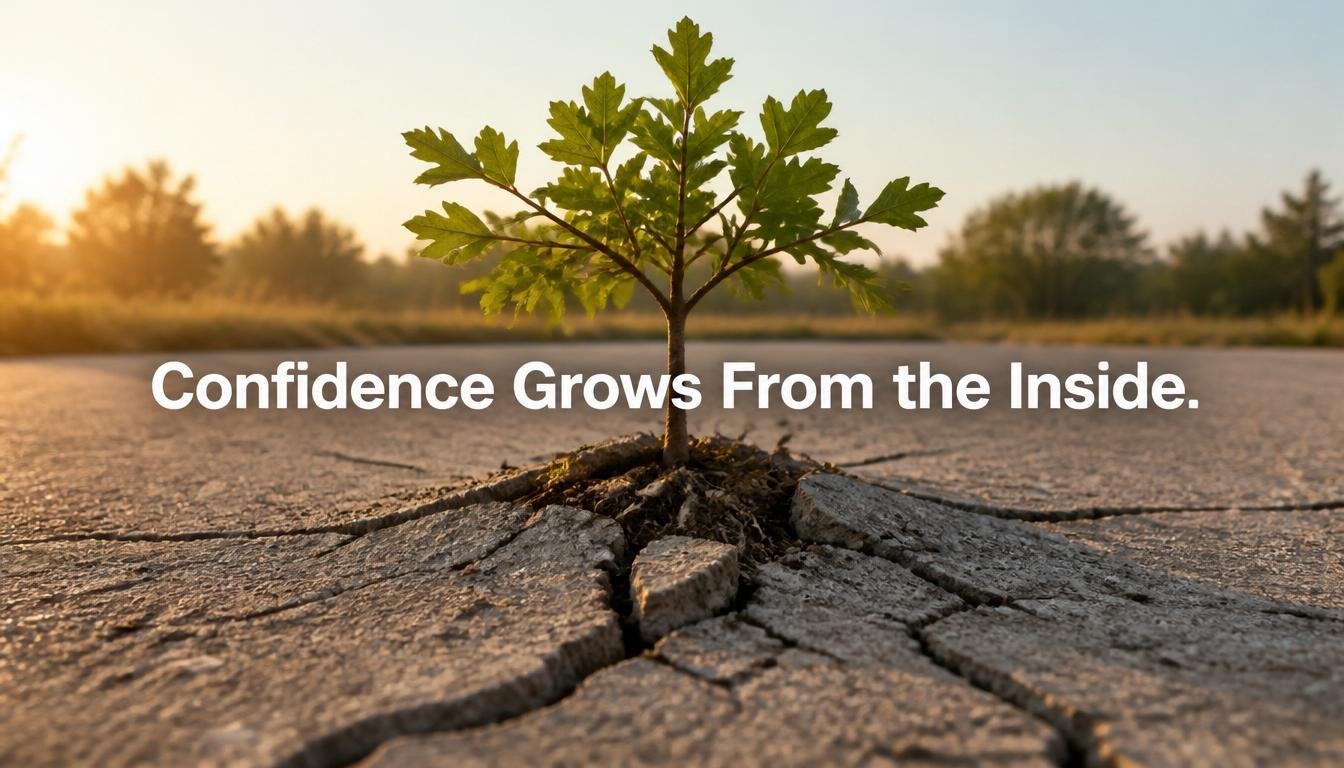
If you want to know how to build self confidence, start here. Most advice fails because it treats confidence like a costume. It tells you to fake it, stand taller, or repeat phrases in a mirror. Real confidence is not a costume. It is a skill built through small, repeated proof.
This matters because most people try the wrong fixes for years. They chase one more achievement. They read one more quote. Nothing sticks. This guide covers where low confidence actually comes from, what tends to work, and what to watch out for along the way.
Why Most Confidence Advice Falls Apart
Most confidence tips focus on the outside. Stand up straight. Make eye contact. Smile more. These things can help a little. But they do not touch the real problem underneath.
The real problem is usually an old belief. A belief like “I am not good enough” or “people will judge me.” No amount of posture fixes that belief. You can look confident on the outside and still feel shaky inside.
Common surface level fixes that rarely last on their own include:
- Repeating positive affirmations without addressing the belief behind them
- Copying the body language of someone who seems confident
- Forcing yourself into high pressure situations before you are ready
- Waiting for one big achievement to finally “prove” your worth
This is why so much of this advice feels hollow. It treats a deep issue with a shallow fix.
Self Confidence vs Self Esteem: Two Different Things
People often mix up confidence and self worth. They are related, but not the same thing. The table below breaks down the core differences.
| Self Confidence | Self Esteem | |
| Definition | Trust in your ability to handle specific tasks | Your overall sense of worth as a person |
| Can vary by area | Yes, high in one skill, low in another | Usually more stable across situations |
| Built through | Repeated practice and small wins | Early relationships and self acceptance |
| Example | Feeling sure about public speaking | Feeling generally worthy regardless of skill |
You can have high self esteem and low confidence in one area, like public speaking. You can also have decent confidence in your job skills but low self worth underneath. This difference matters, since fixing one does not automatically fix the other.
A person with low self worth often needs to work on their core sense of value first. A person with low confidence in one specific area often just needs more real practice and small wins in that area.
The Real Causes of Lack of Self Confidence
A lack of self confidence rarely comes from nowhere. It usually has a clear root, and knowing that root is the real starting point for how to build self confidence that actually lasts.
Childhood criticism. Growing up with harsh feedback teaches a child to expect failure before they even try.
Repeated failure without support. Early attempts that went badly, without anyone helping make sense of them, get filed away as proof of inadequacy. The brain then generalizes that proof far beyond the original situation.
Comparison culture. Constant exposure to other people’s highlight reels can quietly erode confidence, even when your own life is going fine. The comparison itself becomes the problem, not your actual ability.
Perfectionism. Setting standards so high that nothing ever feels good enough guarantees a steady stream of perceived failure, regardless of actual performance.
Quick Self Check
Try tracing your own pattern with these five questions:
- Name one area where your confidence feels shaky.
- Ask when you first remember feeling unsure in that area.
- Notice what happened around that time.
- Ask if that old situation still applies to your life today.
- Write one small piece of evidence that challenges the old belief.
Common Mistakes That Keep People Stuck
Beyond the surface fixes already covered, a few specific mistakes tend to stall progress even for people who are genuinely trying.
- Waiting to feel confident before acting. Confidence usually follows action, not the other way around. Waiting for the feeling first can mean waiting indefinitely.
- Comparing your inside to someone else’s outside. You know your own doubts intimately. You only see other people’s polished exterior, which makes the comparison unfair from the start.
- Chasing one big fix instead of small ones. A single course, book, or achievement rarely resets a belief built over years. Small, repeated proof does that work instead.
- Avoiding all discomfort. Some discomfort is a sign of real growth, not danger. Treating every uneasy feeling as a stop sign keeps the old pattern fully intact.
Recognizing these patterns in your own approach can save months of effort spent on strategies that were never going to stick.
Confidence Is a Skill, Not a Fixed Trait
Confidence is not something you either have or lack forever. It is a skill, and skills can be trained. This is the core truth behind how to build self confidence that lasts. The brain updates its beliefs through repeated experience, not through willpower alone.
This is good news. It means you do not need a totally different personality. Thousands of people build genuine confidence later in life, often after years of feeling stuck. The skill was always learnable. They just had not found the right approach yet.
Confidence Tips That Actually Work
Real confidence tips focus on evidence, not performance. If you want to know how to build self confidence that lasts, these are the habits that hold up.
- Start small and specific. Do not aim to become a completely confident person overnight. Pick one small action in one specific area. Do it once. Notice how it went. Repeat.
- Track proof, not feelings. Feelings lie during the process. You might do something brave and still feel scared afterward. Keep a simple log of actions taken, not just how you felt about them.
- Separate the event from your identity. A failed attempt is one event. It is not proof about who you are. Practice saying “that did not go well” instead of “I am not good at this.”
- Talk to yourself like a coach, not a critic. A good coach points out what to improve without attacking your worth. Try speaking to yourself the way you would speak to a friend.
- Set a weekly stretch goal. Choose one thing slightly outside your comfort zone each week. Small, consistent stretches build more lasting change than rare, dramatic leaps.
A Simple Daily Practice for Building Confidence
Knowing how to build self confidence in theory is one thing. Doing it daily is another. A short, repeatable practice works better than a big, occasional effort.
Follow this two part daily habit:
- Morning intention. Name one small thing you will try that day. It should feel slightly uncomfortable, not terrifying. Speaking up once in a meeting. Asking a question you would normally keep to yourself.
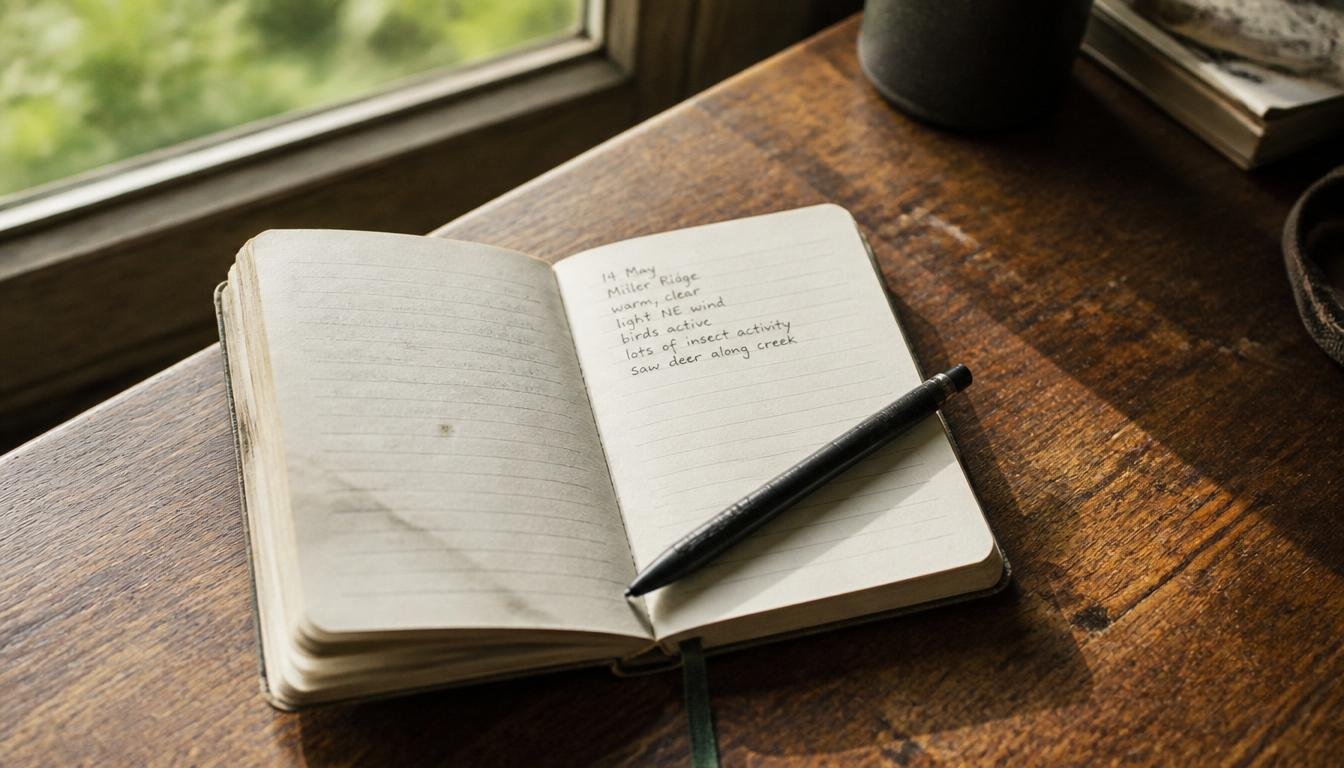
- Evening record. Write down what really happened. Not how you felt about it. Just the fact. “I asked the question.” “I spoke up once.” This builds a factual record your brain can trust more than an old fear.
Over weeks, this record becomes evidence you can look back on, evidence that is specific and hard to argue with.
Achievement vs Mindset: Which One Actually Builds Confidence
This is one of the most common questions people ask. The honest answer is both, but mindset matters more than most people think.
Many high achieving people still feel deeply unsure of themselves. Their success did not fix the underlying belief. Without the right mindset, each new win just becomes the next thing to worry about losing.
Mindset shapes how you interpret every event, including achievements. Two people can hit the same goal. One sees it as proof they are capable. The other sees it as luck that will not happen again. Same event, very different result.
Where Low Confidence Tends to Show Up Most
How to build self confidence often depends on where the gap actually shows up, since it rarely affects every area of life equally.
- Social settings. Some people feel completely at ease alone but struggle the moment other people are watching, a pattern tied closely to social confidence specifically.
- Receiving feedback. Compliments can feel hard to accept or believe, even when they are genuine and well earned.
- Being observed. A strong, often inaccurate sense that everyone nearby is judging every move.
- Relationships and approval. Confidence that rises and falls depending on how others react, rather than staying steady on its own.
- Taking up space. A habit of shrinking opinions, achievements, or personality to keep others comfortable.
- After success itself. Some people hit real goals and still do not feel more secure, since achievement and confidence do not always move together.
Each of these shows up differently, but they all respond to the same underlying approach: small, repeated proof that challenges the specific belief driving that particular gap.
The Real Timeline for Building Confidence
There is no single timeline for how to build self confidence that fits everyone. It depends on how deep the old belief runs and how consistently you practice. Some people notice small shifts within a few weeks. Others need many months of steady work.
What matters most is consistency, not speed. A single confident moment rarely changes a lifelong pattern. Setbacks are normal too. A hard week can bring old doubts back, even after real progress. This does not erase the progress. It simply means the work continues.
This is general guidance, not a clinical prescription. Low confidence can sometimes feel tied to deeper struggles like anxiety or depression, and talking with a therapist can help alongside this kind of practice.
Key Takeaways
- Self confidence is a trainable skill, not a fixed trait you either have or lack.
- Self confidence and self esteem are related but different, and each needs its own kind of work.
- A lack of self confidence usually has a traceable root, often formed early in life.
- A few specific mistakes, like waiting to feel ready first, quietly stall most people’s progress.
- Mindset shapes whether achievement really turns into felt confidence.
- The gap tends to concentrate in specific areas of life, not show up equally everywhere.
Bringing It All Together
Learning how to build self confidence is not about faking it or repeating slogans. It is about giving yourself real, repeated proof that you can handle things, aimed at the specific area where your confidence actually feels shaky.
Self worth, confidence tips, and even a stubborn lack of self confidence all trace back to old beliefs formed through past experience. Beliefs formed through experience can be updated the same way.
Start today with one small action in one area where your confidence feels shaky. Notice how it goes. That single small step is often where real, lasting confidence quietly begins.
Frequently Asked Questions
Low self confidence usually comes from childhood criticism, repeated failure without support, or constant comparison with others. These experiences teach the brain to expect failure or judgment, even when nothing today backs up that belief.
Yes, self confidence is a skill, not a fixed trait. It builds through repeated evidence and small wins over time, not through willpower or positive thinking alone. Most people can build real confidence with consistent practice.
There is no fixed timeline, since it depends on how deep the original belief runs. Some people notice small shifts within weeks, while others need months of steady practice before real change feels stable.
Self esteem is how you feel about your overall worth as a person. Self confidence is how much you trust your ability to handle specific tasks or situations. You can have one without the other in certain areas of life.
Both play a role, but mindset matters more than most people expect. Achievement alone does not guarantee confidence, since many successful people still feel unsure of themselves without the right underlying mindset in place.






- Be Respectful
- Stay Relevant
- Stay Positive
- True Feedback
- Encourage Discussion
- Avoid Spamming
- No Fake News
- Don't Copy-Paste
- No Personal Attacks
- Be Respectful
- Stay Relevant
- Stay Positive
- True Feedback
- Encourage Discussion
- Avoid Spamming
- No Fake News
- Don't Copy-Paste
- No Personal Attacks
