Money Shame Is More Common Than Anyone Admits
Published: 20 Aug 2026
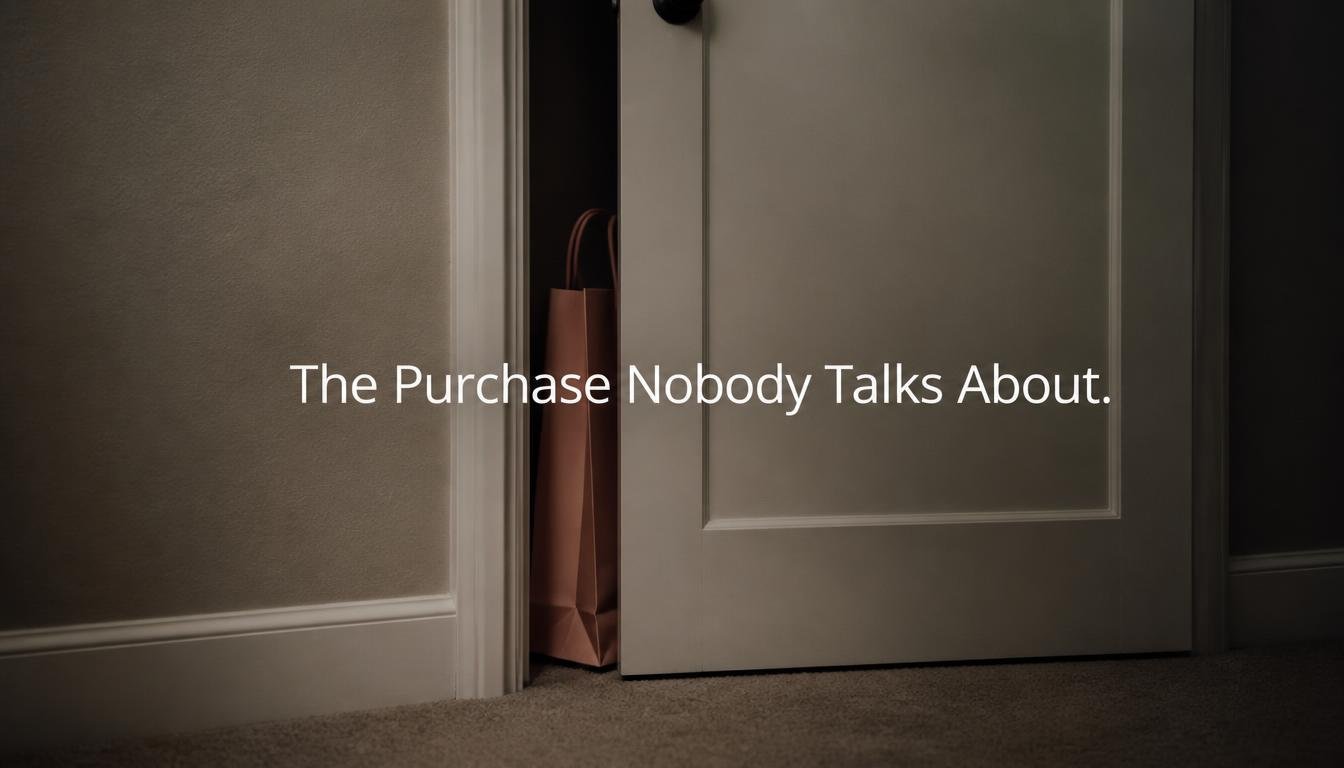
Money shame is the quiet discomfort that shows up around spending, saving, or simply having money at all. It hides well. Most people carry it without ever naming it out loud. This makes it feel rare, even though it is actually common.
This matters because shame changes behavior in ways logic never would. It pushes people to hide purchases and avoid honest money talks. Choices start dodging judgment instead of building real financial health. Naming the pattern is the first step toward loosening its grip.
What Money Shame Actually Feels Like
This feeling shows up as a specific kind of discomfort. This is not just worry about a number. It is a deeper sense that the number says something bad about who you are. A low balance feels less like a fact and more like a verdict.
This feeling often shows up fast and quietly. A flush of heat before a card gets declined. A tight chest before opening a bill. A rush to explain a purchase before anyone even asks about it. These reactions rarely wait for conscious thought.
The core of this pattern is a mix-up. It blends a money fact with a personal feeling, treating a bank balance as proof of character rather than just a number on a screen.
Why Do I Hide My Purchases?
Hiding purchases is one of the clearest signs of this pattern at work. It often pairs with feeling embarrassed about spending, even when nobody is watching. A new item gets tucked away before a partner sees it. A price tag gets removed fast, almost on reflex.
This hiding rarely comes from dishonesty. It comes from fear of judgment. Sometimes from a partner. Sometimes from imagined outside eyes. Sometimes just from your own inner critic. Hiding feels like the fastest way to skip that judgment entirely.
The trouble is that hiding also blocks honest conversation. A partner who never sees the full picture cannot offer real support. The person hiding carries the full weight of the secret alone.

Feeling Embarrassed About Spending in Front of Others
Feeling embarrassed about spending often shows up most sharply in social settings. Splitting a bill and quietly hoping nobody notices a smaller order. Declining an invitation without giving the real reason. Laughing off a question about a big purchase instead of answering it.
This embarrassment rarely tracks with actual financial standing. Someone with a healthy savings account can feel just as embarrassed about spending as someone genuinely struggling. The feeling comes from comparison and fear, not the numbers themselves.
Loosening this feeling often starts with noticing how much energy goes into managing appearances. That same energy, redirected toward honest planning, tends to do far more for real financial health than hiding ever could.
How Shame Changes Spending Decisions
Shame rarely leads to better choices. It usually leads to avoidance instead. A person feeling this deeply might skip opening a bank app for days. Not because the news would be good, but because looking feels too painful.
Shame often leads to avoidance, like skipping bank statements or ignoring bills. This can make financial problems worse over time. The very feeling meant to protect self-image ends up making the real problem worse.
Shame can also push spending in the opposite direction. Some respond to shame with a defiant splurge. It almost proves to them that money does not control them. This usually just adds a new layer of shame on top of the last one.
Financial Shame and Its Roots
Financial shame rarely starts in adulthood. It often traces back to childhood messages about money. Some are direct. Others are just absorbed from tone and tension in the home. A home that treated money as off-limits often raises adults who carry that same silence forward.
Culture and social pressure add another layer. Some cultures link worth directly to income or visible success. This makes any struggle feel like a personal failure, not the ordinary life event it actually is.
Comparison deepens this shame further. Watching polished versions of other people’s lives online can make normal money ups and downs feel uniquely embarrassing. The full truth behind those posts rarely matches what gets shown.
Is Money Shame Actually Common?
Yes, far more common than most conversations suggest. Surveys consistently show most adults hide some spending from a partner and feel anxious discussing money openly. This financial shame stays hidden mainly because so few people talk about it.
Everyone assumes they are the only one struggling, since almost nobody talks about it honestly. This quietly feeds the very isolation shame depends on to survive.
Knowing this can genuinely help. A feeling that seems deeply personal is often shared by nearly everyone around you. This includes people who seem to have money fully figured out.
What Happens When Shame Finally Lifts
People who work through this pattern often describe a clear, physical shift. Less tension before opening a banking app. Fewer rehearsed excuses ready for a sudden question about a purchase.
This does not mean money stops mattering or stress disappears completely. It means the extra weight, the part that was never really about the numbers, finally gets set down. What remains is just the real work of managing money, without the added burden of proving your worth in the process.
A Small Exercise to Loosen the Grip
Try this once this week. Write down one financial fact you have been avoiding saying out loud, even to yourself. A balance. A missed payment. A purchase you regret.
Read it back as plainly as possible, the way you might read a grocery list. No apology attached. No explanation needed. Just the fact, sitting on its own.
This exercise feels strange at first. It seems almost too simple to matter. Many people notice a real, physical easing of tension just from saying the fact plainly.
How to Talk About Spending Without Shame
A useful first step is separating the fact from the feeling. “I overspent this month” is a fact. “I am bad with money” is a feeling wearing a fact’s clothing. Naming that difference out loud weakens the shame attached to it.
Starting small helps too. Sharing one honest number with a trusted friend builds a kind of muscle. Skip the overexplaining or apologizing. Each honest share tends to make the next one feel a little less heavy.
Framing money talks as information sharing, rather than confession, also helps. A budget talk with a partner works better as a planning session than a moment of judgment. Tone alone can shift how safe honesty feels.
Conclusion
Money shame thrives on silence, and silence is exactly what keeps it feeling rare instead of common. Financial shame and the habit of hiding purchases trace back to the same mix-up. Both treat a number as proof of worth, rather than just a fact to work with.
This does not mean money struggles never need real attention. It means the shame layered on top rarely helps. It often gets in the way of the practical fixes that could genuinely work.
Start by naming one small money fact out loud this week, to yourself or to someone you trust. That single act of honesty is often where the grip of shame starts to loosen.
Frequently Asked Questions
Money shame is a deep discomfort around spending, saving, or having money, rooted in the belief that a financial number reflects personal worth. It often shows up as hiding purchases, avoiding money talks, or feeling judged by your own bank balance.
Hiding purchases usually comes from a fear of judgment, whether from a partner, other people, or your own inner critic. It offers a fast way to avoid that judgment, though it often blocks honest support and real conversation.
Shame often leads to avoidance, like skipping bank statements or ignoring bills, which can make financial problems worse over time. It can also trigger defiant spending, where a splurge briefly pushes back against the shame itself.
Yes, surveys consistently show most adults hide some spending from a partner and feel anxious discussing money openly. This shame stays hidden mainly because so few people talk about it, which reinforces a false sense that it is rare.
Talking about spending without shame starts with separating fact from feeling, like noting “I overspent” rather than “I am bad with money.” Sharing small, honest numbers with a trusted person also helps build comfort over time.






- Be Respectful
- Stay Relevant
- Stay Positive
- True Feedback
- Encourage Discussion
- Avoid Spamming
- No Fake News
- Don't Copy-Paste
- No Personal Attacks
- Be Respectful
- Stay Relevant
- Stay Positive
- True Feedback
- Encourage Discussion
- Avoid Spamming
- No Fake News
- Don't Copy-Paste
- No Personal Attacks
