Stress and Immune System Health Are More Linked Than You’d Guess
Published: 22 Jul 2026
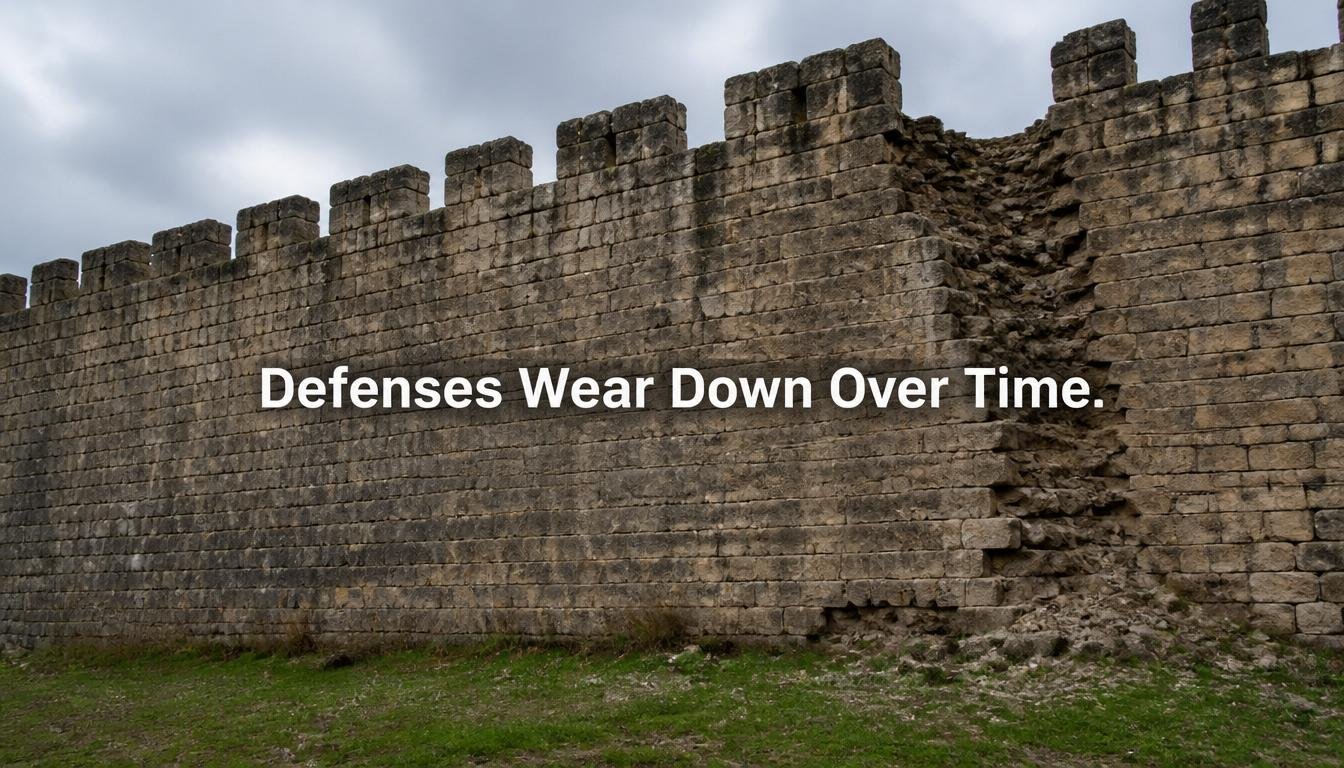
Stress and immune system function are closely linked, more than most people realize. A short burst of stress can actually sharpen immune response temporarily. Stress that continues for weeks or months has the opposite effect, gradually wearing down the body’s defenses instead of strengthening them. The link between stress and immune system health becomes especially clear once you look at what happens during truly demanding periods of life.
This matters because so many people brush off constant stress as just a mental issue. The body keeps score in ways that show up as more colds, slower healing, and lingering fatigue, long before anyone connects the dots back to stress itself.
The Pattern of Getting Sick From Stress
Getting sick from stress follows a recognizable pattern once you know what to look for. It rarely happens during the peak of a crisis itself. It tends to happen in the days right after, once the pressure has actually lifted.
This timing surprises people. Many expect illness to strike during the hardest part of a stressful stretch, not after it ends. The delayed nature of getting sick from stress makes sense once you understand that stress hormones were masking symptoms and holding the immune system in a defensive posture the whole time.
Recognizing this pattern in your own life can be useful. If you consistently get sick right after finishing a big project, or right at the start of a long-awaited vacation, getting sick from stress is very likely part of what is happening, even if the timing feels backwards at first.
Short-Term Stress vs Chronic Stress on Immunity
The relationship between stress and immune system function depends heavily on duration. A short burst of stress, like a near miss in traffic, actually boosts immune activity for a brief window. This makes sense evolutionarily. The body prepares for possible injury by readying its defenses.
Chronic stress works differently. When stress hormones stay elevated for weeks or months, the immune system starts to function less effectively rather than more. The same system built to protect you during a brief crisis becomes worn down by one that never fully ends.
This is why occasional stress is not the real concern here. The danger lies in stress that never gets a chance to fully resolve, day after day, without real recovery in between. A demanding week followed by a genuinely restful weekend behaves very differently in the body than the same demanding week repeated for months without a break.
What Actually Happens Inside the Body
The full chain connecting stress and immune system decline involves several biological steps, not just one. It starts with the brain perceiving a threat, real or imagined. This triggers the release of cortisol and adrenaline from the adrenal glands.
These hormones then travel through the bloodstream, reaching immune cells directly, since those cells carry receptors built specifically to detect them. Once cortisol binds to these receptors, it dampens the activity of white blood cells, the cells responsible for identifying and destroying pathogens.
Under brief stress, this dampening barely matters, since the exposure is short. Under chronic stress, this dampening runs continuously, week after week, giving pathogens a wider opening than the immune system would normally allow.
Cortisol Immune Function The Core Mechanism
Cortisol immune function connects through a fairly direct chemical pathway. Cortisol, the body’s primary stress hormone, is designed to suppress immune activity temporarily during a crisis, redirecting energy toward immediate survival instead.
This suppression makes sense for a short emergency. Fighting off a cold matters less than escaping a real threat in the moment. Problems start when cortisol stays elevated long after the original stressor has passed. The immune system remains suppressed for far longer than it was ever designed to be.
Research shows chronically high cortisol reduces the number and effectiveness of key immune cells. This includes natural killer cells, responsible for fighting viruses and abnormal cells. Lower activity in these cells means a slower, weaker response to genuine threats.

Why You Get Sick During or After Stressful Periods
Many people notice a strange pattern. They stay healthy through an intensely demanding week. Then they get sick right as the pressure finally lifts. This is not a coincidence. It has a clear explanation rooted in how stress and the immune system function interact.
During the stressful period itself, elevated cortisol and adrenaline can temporarily mask symptoms. They keep the body running on alert. Once the stressor ends and those hormones drop, the immune system often reacts with a delayed response. It is as though it is finally catching up on postponed work.
This delayed reaction explains why vacations, holidays, and the days right after a deadline are common times to fall ill. The body was holding the line during the crisis. It lets go once the crisis passes.
Chronic Stress Illness What the Research Shows
Chronic stress illness is not a vague or exaggerated concept. Decades of research link long-term stress to slower wound healing, higher rates of common infections, and increased inflammation throughout the body.
Inflammation deserves particular attention here. Chronic stress keeps low-grade inflammation running in the background. This kind of ongoing inflammation is now linked to a wide range of long-term health conditions, from heart disease to autoimmune flare-ups.
People under chronic stress also tend to report colds and infections that hang on longer than they used to. This fits with a weakened immune response taking longer to clear even ordinary, common pathogens.
Protecting Your Immune System From Ongoing Stress
A few consistent habits can meaningfully support the immune system, even while some stress remains unavoidable. Sleep sits at the top of this list. Deep, consistent sleep is when much of the immune system’s repair work actually happens.
Movement matters almost as much. Regular, moderate exercise measurably reduces stress hormones and supports healthy immune function. Intense overtraining without recovery can have the opposite effect, though. Moderate is the key word here.
Social connection plays a real, measurable role too. Strong relationships are linked to better immune markers, likely because they buffer the nervous system’s overall stress load. Even brief, regular contact with supportive people appears to help, according to research on social ties and immune resilience.
Diet and hydration round out the basics. A body under chronic stress burns through nutrients faster, making consistent, balanced meals more important during demanding periods, not less.
Why This Matters More Than People Assume
Many people treat frequent colds or slow healing as bad luck, never connecting it back to stress and immune system strain. This gap in awareness means the actual fix, addressing stress directly, often gets overlooked in favor of treating symptoms one at a time as they appear.
This is not about eliminating stress, which is not realistic for most lives. It is about recognizing when stress has become chronic rather than occasional, since that distinction determines whether the immune system gets a real chance to recover between challenges.
When to Take Immune Symptoms Seriously
Understanding the stress and immune system link does not mean every illness should be blamed on stress alone. Frequent, severe, or unusual infections still deserve a proper medical evaluation. Other underlying causes need to be ruled out first.
This is especially true for symptoms that do not improve with rest and stress reduction over a reasonable period. Chronic stress can weaken immune defenses, but it rarely explains every possible immune related symptom on its own.
A Simple Way to Track Your Own Pattern
A short log can help confirm your own version of this pattern. Note your stress level and any cold or infection symptoms for a month. Many people are surprised to see just how tightly the two line up once they actually look for it.
Conclusion
Stress and immune system health are deeply connected, but the relationship depends entirely on duration. Short bursts of stress can sharpen the body’s defenses. Chronic, unresolved stress wears them down instead, through the same cortisol pathways that once helped protect you.
Cortisol immune function suppression, along with chronic stress illness patterns like frequent colds and slow healing, is not signs of weakness. They are predictable, well-documented results of a system running under sustained pressure for too long.
Start by noticing your own pattern around stressful periods. Do you tend to get sick right after the pressure lifts? That pattern alone is often the clearest signal that stress has been quietly taxing your immune system all along.
Frequently Asked Questions
Yes, chronic stress weakens immune function by keeping cortisol elevated for extended periods, which suppresses key immune cells and increases inflammation. Short-term stress can actually boost immunity briefly, but ongoing stress has the opposite effect.
Getting sick right after a stressful period ends is a common pattern, often because elevated stress hormones temporarily mask symptoms during the crisis itself. Once those hormones drop, the immune system often reacts with a delayed response.
Cortisol suppresses immune activity, which is useful briefly during a real emergency but harmful when levels stay high for weeks or months. Chronically elevated cortisol reduces the effectiveness of key immune cells, including natural killer cells.
Protecting your immune system from stress involves prioritizing consistent sleep, moderate regular exercise, and strong social connections. These habits measurably support immune function even when some level of stress remains unavoidable in daily life.
Yes, chronic stress is linked to slower wound healing, higher inflammation, and increased vulnerability to infections over time. Long-term, unresolved stress has also been connected to a higher risk of certain chronic health conditions.






- Be Respectful
- Stay Relevant
- Stay Positive
- True Feedback
- Encourage Discussion
- Avoid Spamming
- No Fake News
- Don't Copy-Paste
- No Personal Attacks
- Be Respectful
- Stay Relevant
- Stay Positive
- True Feedback
- Encourage Discussion
- Avoid Spamming
- No Fake News
- Don't Copy-Paste
- No Personal Attacks
