Stress Spending Is Real, and It’s Costing You More
Published: 13 Aug 2026
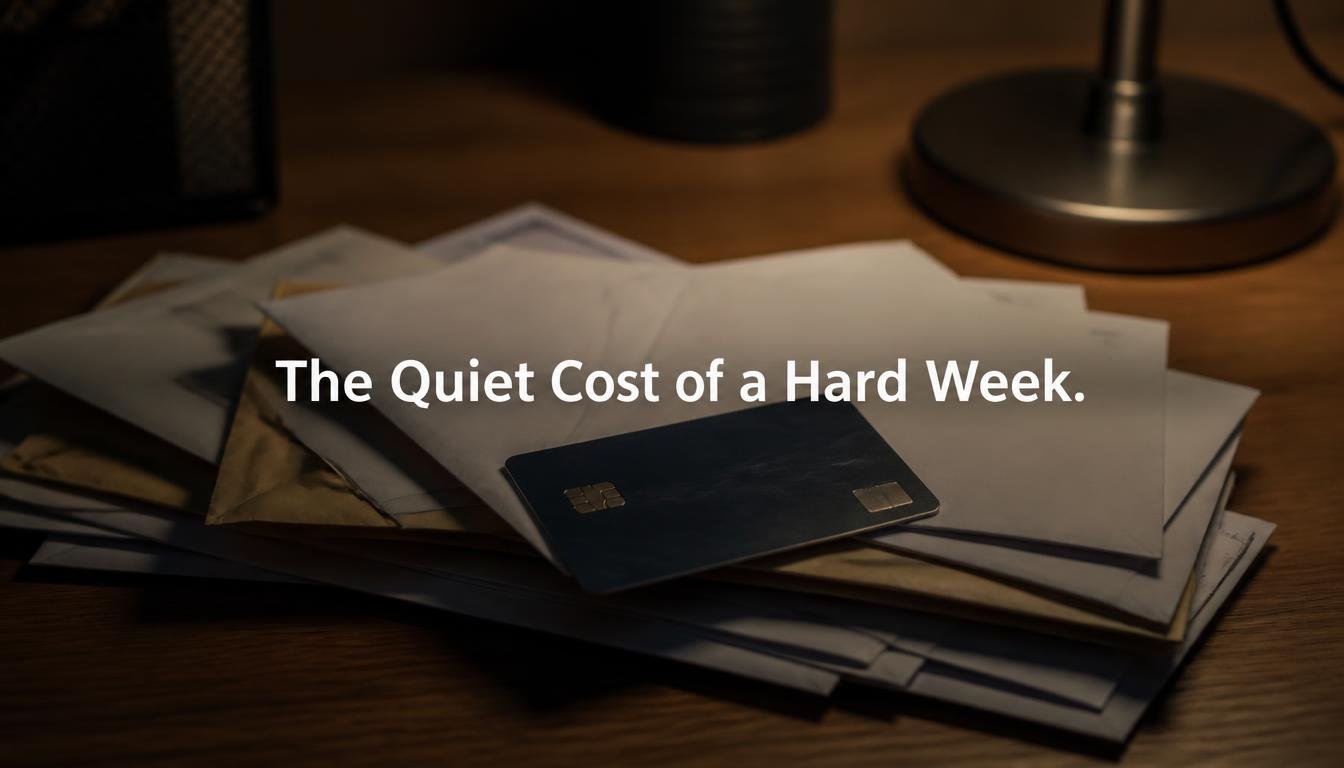
Stress spending happens when a hard day turns into an unplanned purchase. It feels small in the moment. A coffee upgrade. A late night order. Over weeks and months, these small moments add up. The dent in your budget often goes unnoticed until the statement arrives.
This matters because stress spending rarely gets treated as a real pattern. It gets brushed off as a one time treat, again and again. Then the totals start to feel confusing. Naming the pattern is the first step toward actually working with it.
What Stress Spending Actually Is
Stress spending is a purchase made to ease tension, not to meet a real need. The item itself often matters less than the quick relief that buying brings.
This is different from planned spending in one clear way. Planned spending starts with a need, or a want you already knew about. This kind starts with a feeling that showed up first. The purchase follows close behind as a fast response to it.
Both types of spending can involve the same item. The difference lives entirely in what came first, the plan or the feeling.
Why Shopping Feels Good for a Moment
Shopping feels good briefly because it sets off a real chemical shift in the brain. Just thinking about a purchase releases dopamine, even more than the purchase itself. This is the same chemical behind other quick rewards.
This is why browsing alone can feel calming, even before you buy a thing. The brain is already responding to the possibility of relief. Adding an item to a cart can feel like progress, even if the cart never gets checked out.
This reward fades quickly though. Studies on shopping and mood show something clear. The good feeling drops fast, often within hours, long before the credit card bill even shows up.
Retail Therapy: Useful Tool or Risky Habit?
Retail therapy sits in a strange middle spot. Used occasionally and within a clear budget, it can genuinely lift a low mood. There is nothing wrong with it. The trouble starts when it becomes the main way stress gets handled.
This approach works best as one small tool among several, not the whole toolbox. A single planned treat after a hard week is one thing. Reaching for a purchase every time stress shows up is another, since the second pattern rarely leaves room for anything else to help.
The line between a healthy occasional treat and a real problem usually comes down to control. Can you take it or leave it easily, or does skipping a purchase feel surprisingly hard.
Shopping When Sad: A Closer Look
Shopping when sad follows a slightly different pattern than shopping from general stress. Sadness often wants comfort specifically. This is why cozy, soft, or nostalgic items tend to show up more in this kind of spending overall.
This form of spending can offer real, brief comfort. The timing is the real problem. Sadness rarely resolves in the time it takes an online order to arrive. The comfort from the purchase and the actual sad feeling often end up on two different schedules.
Seeing this gap matters. The purchase soothes something in the moment. The sadness underneath usually needs a different kind of care entirely, one a package on a doorstep cannot fully give.
Common Triggers for Stress Spending
A few triggers show up again and again for most people. A hard conversation at work. A long, tiring commute. A string of bad news in a short window. Each one raises tension, and shopping offers a fast way to bring that tension back down.
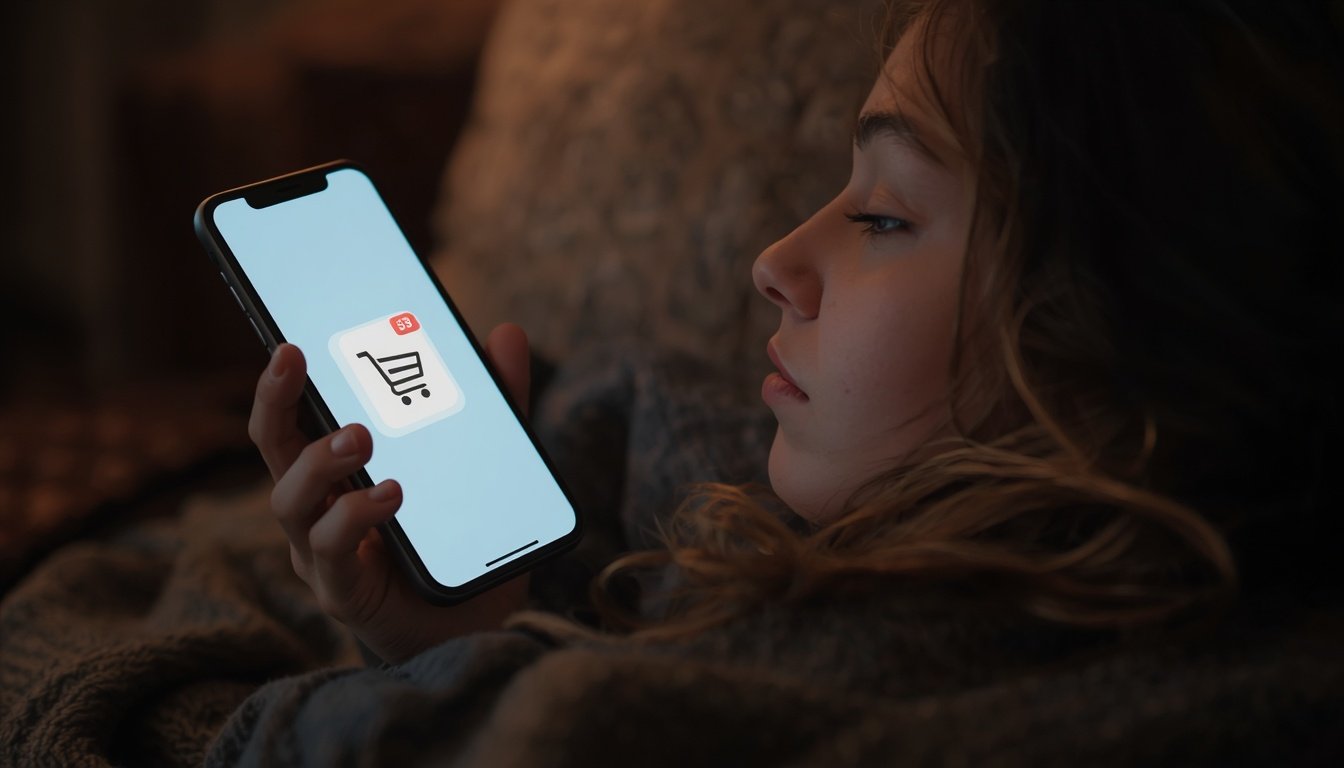
Timing matters too. Late evening tends to be a common window. Willpower naturally runs lower after a full day of decisions. This is one reason stress purchases happen late so often, from a phone in bed.
Noticing your own triggers just takes a little attention. Most people find one or two moments in their week that reliably lead to this kind of spending, far more than any others.
What Usually Follows a Stress Purchase
The moment right after a stress purchase often tells a useful story. Some people feel a quick lift. Then the same tension that triggered the purchase returns right behind it. Others notice a second wave of guilt, layered right on top of the original stress.
Neither reaction means something is wrong with you. It just means the purchase did its one job. It offered short term relief, not a lasting fix. The original feeling was never really about the item. The item alone was never going to fix it.
Noticing this pattern, without judging it too harshly, gives you useful information. It tells you the relief was real but temporary. That is exactly the kind of clue that points toward a better long term response.
How to Stop Emotional Spending Before It Starts
A short pause before buying often works better than strict rules. Try waiting a full day before any non essential purchase over a set amount. Many purchases lose their pull once that window passes.
Naming the feeling helps. Simply asking “what am I feeling now” before opening a shopping app creates a small gap. That gap sits between urge and action.
Removing easy access matters too. Deleting saved payment details or unsubscribing from sale emails adds just enough friction. This slows an automatic habit without requiring constant willpower to fight it.
How Stress Spending Sneaks Into a Normal Week
This pattern rarely announces itself. It shows up disguised as a small, reasonable choice each time. One coffee upgrade barely registers. One extra delivery fee feels harmless. It is only when you add these small moments together that the real pattern becomes visible.
A simple way to see this clearly is tracking one category for a month, like food delivery. Most people are genuinely surprised by the total once stress driven purchases get pulled out from planned ones.
Building a Short List of Better Options
Having a ready alternative matters more than most people expect. In the moment stress hits, the brain wants relief fast. Shopping is often just the easiest option available, not necessarily the best one.
A short, personal list helps close that gap. A five minute walk. A call to a friend. A favorite song played loudly. None of these need to fully replace shopping. They simply need to be available and easy to reach for in that same moment of tension.
Keep this list somewhere visible, like a phone note or a sticky note near a desk. This makes it far more likely to actually get used.
The Difference Between a Treat and a Pattern
Not every unplanned purchase is a sign of a problem. A treat, chosen on purpose and enjoyed fully, is just part of normal life. This pattern becomes a concern only when it turns from an occasional choice into an automatic reflex.
A useful test is simple. Could the purchase be skipped without much resistance? A true treat can be skipped without much fuss. A pattern driven by stress often comes with real discomfort at the idea of skipping it.
Conclusion
Stress spending is a real, common pattern. It is not a flaw or a lack of will. Occasional comfort purchases and shopping when sad both point to the same underlying truth. Shopping offers fast relief for a feeling that a purchase can never fully resolve on its own.
This does not mean every treat is a problem. It means the pattern deserves a second look once it starts happening on autopilot. This is especially true late at night or right after a hard day, when the urge feels strongest.
Start by noticing your next stress purchase before it happens. Pause for a moment and name the feeling driving it. That small pause is often where a steadier relationship with spending begins.
Frequently Asked Questions
Stress spending is making a purchase mainly to relieve tension rather than to meet an actual need. The item itself often matters less than the quick sense of relief the act of buying provides in the moment.
Shopping triggers a dopamine response in the brain, especially during the anticipation of a purchase. This reward fades quickly, often within hours, which is why the good feeling rarely lasts as long as the bill does.
Stopping emotional spending often starts with a short pause, like waiting a full day before a non essential purchase. Naming the feeling behind the urge, and removing easy access like saved cards can also help.
Yes, retail therapy can offer genuine, brief relief when used occasionally within a clear budget. It becomes a concern mainly when it turns into the main way stress gets handled, rather than one tool among several.
Common triggers include a hard conversation, a tiring commute, or a string of bad news. Late evening is also a common window, since willpower naturally runs lower after a full day of decisions and demands.




- Be Respectful
- Stay Relevant
- Stay Positive
- True Feedback
- Encourage Discussion
- Avoid Spamming
- No Fake News
- Don't Copy-Paste
- No Personal Attacks
- Be Respectful
- Stay Relevant
- Stay Positive
- True Feedback
- Encourage Discussion
- Avoid Spamming
- No Fake News
- Don't Copy-Paste
- No Personal Attacks
