Retirement Planning Made Easy: Secure Your Golden Years
Published: 10 Jun 2026
Introduction
Picture yourself at 65. Your health is good. Your time is your own. The only question is whether your money will support the life you want or force you to keep working out of necessity. That picture is decided not at 65 but in the years and decades before it.
The gap between a comfortable later life and a stressful one almost always comes down to one thing: whether retirement planning was taken seriously early enough. Not perfectly. Not with large sums. Just consistently and with intention.
This article covers everything you need to know in plain, honest language. From how the whole system works to what to do at different ages to how small business owners need to think differently. Every section is complete, so you leave with a real plan, not just a good intention.

1. Why So Many People Reach Their Golden Years Unprepared
The most common reason people reach their golden years without enough money is not laziness. It is the feeling that there is still plenty of time. At 30, life after work feels 35 years away. At 40, other bills feel more urgent. At 55, the reality hits hard, and the window for comfortable preparation has closed most of the way.
Nobody teaches this subject properly. Schools skip it. Employers rarely explain it. So most working adults have no clear picture of how much they will need, when they will need it, or how to build it. They simply hope things will work out.
The solution is not complicated. It starts with a decision to treat your future as something worth building right now. Every year you delay costs you far more than the amount you put off saving. Time is the most valuable resource you have. Use it before it runs out.
2. How Life After Work Actually Works
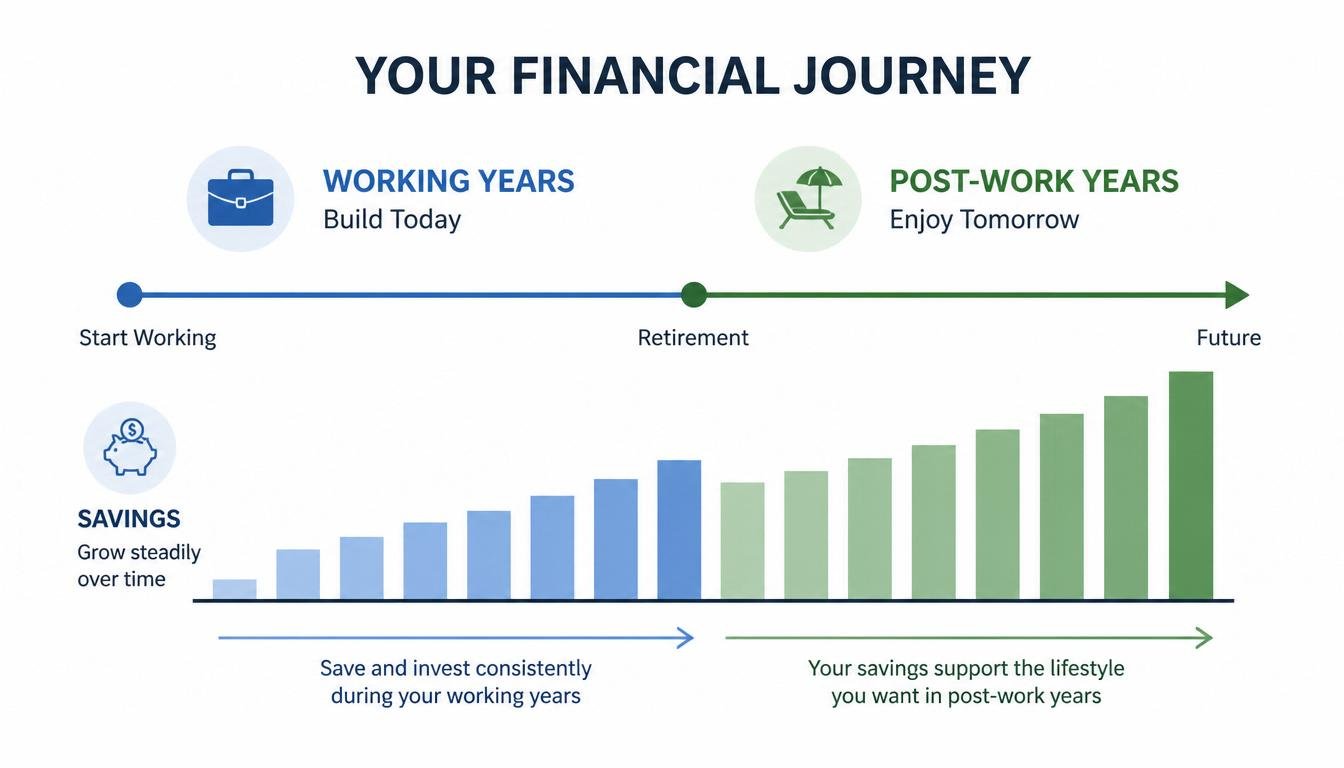
Understanding how your post-work life works is the first real step toward building one you will enjoy. At its core, it means reaching a point where your savings, pension, and income from assets cover your living costs. You no longer need a job to pay your bills. That point is different for everyone, depending on lifestyle and how much has been built up.
Most systems work on the same basic idea. You put money aside during your working years through employer plans, personal accounts, or government schemes. That money grows through interest and returns. When you stop working, you draw from what you have built to fund your daily life.
The key question is how long your money needs to last. People are living longer than ever. Someone who steps away from work at 60 may need their savings to stretch 25 to 30 years. This is why retirement planning must account for every year that follows, not just the day you stop working. Running out of money at 80 is one of the most preventable problems, and it only happens when the planning was too casual or started too late.
3. The Best Age to Start Securing Your Future
There is no wrong age to begin. But there is a real cost to starting late. The earlier you start putting money aside, the less you actually need to contribute each month. Time does the heavy lifting through compounding. A person who starts at 25 with a small monthly amount will often end up with more than someone starting at 40 with three times as much.
In your twenties, you have the longest growth runway available. Even small contributions now will compound into something significant by your sixties. Start with whatever you can and increase it over time.
In your thirties or forties, the window is smaller but still wide open. This is the time to get serious about financial retirement planning. Review what you already have. Close any gaps. Make sure every rupee is working as efficiently as possible. Catching up takes more focus, but it is absolutely doable.
In your fifties, the focus shifts. Protect what you have built. Maximize your contributions. Get a clear picture of your expected costs and income in your later years. Retirement planning at this stage is less about growth and more about making sure what you have is enough and safe.
4. How to Build a Plan That Gives You Real Security
Good retirement planning starts with one honest question. How much do I actually need to live comfortably when I stop working? Most experts suggest aiming for 70 to 80 percent of your current annual income. If you spend 1,200,000 rupees a year now, you will need roughly 840,000 to 960,000 rupees each year in your later life.
Once you have that number, work backwards. How many years until you plan to stop working? What return can you reasonably expect on your savings? How much do you need to put aside each month to hit your target? Free online calculators make this easy. Even a rough estimate is far better than no estimate.
The best financial advice for retirement planning always highlights diversification. Do not rely on one single source of income in your later years. Aim for a mix of pension contributions, personal savings, and an asset that generates passive income, such as property or dividends.
Review your progress every year. Life changes. Goals change. Income changes. A plan you never revisit is not really a plan. It is just a hope written down.
5. What It Really Takes to Step Away From Work Early
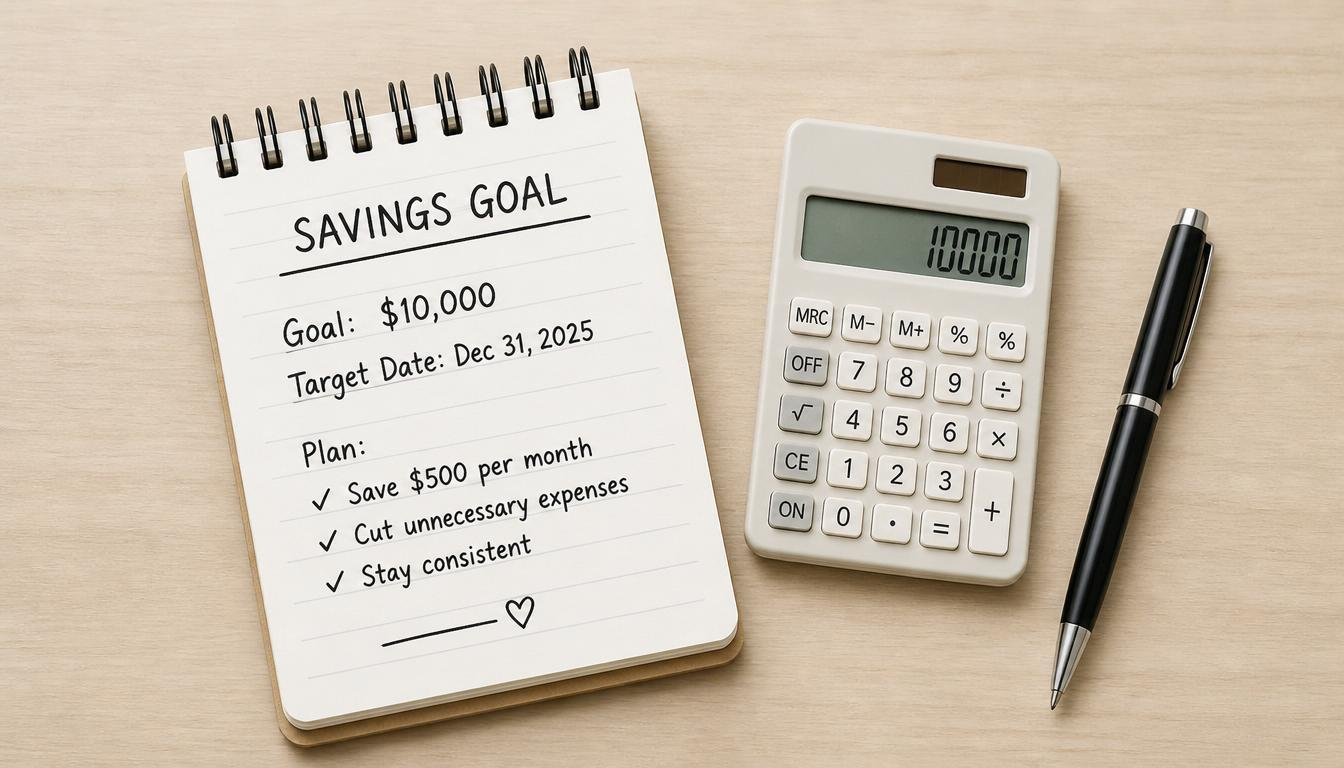
Stepping away from work early is not a fantasy. It is a real outcome that ordinary people achieve through deliberate choices. But it requires a much more aggressive approach than standard planning. If you want to stop working at 55 or even earlier, you need to fund 30 to 40 years of living costs, not just 20.
The FIRE movement stands for Financial Independence, Retire Early. It is built on one simple idea. Save and invest aggressively, reduce your expenses intentionally, and reach the point where your portfolio covers your costs without you working. Many people on this path save 50 to 70 percent of their income. That takes serious commitment but produces results that a standard savings rate simply cannot match.
If leaving work at 55 is your goal, the financial retirement planning required is more focused and more urgent. You have fewer working years, a longer period to fund, and less time for compounding to help. Higher savings rates, smarter choices, and a clear picture of your future costs are all essential.
Early freedom from work is not just a financial decision. It is a life decision. Your retirement planning goals need to reflect not just the numbers but the kind of life you actually want to live. Get clear on what you are stepping toward, not just what you are stepping away from. People who leave work early without a sense of purpose often find it less satisfying than they expected.
6. A Special Guide for Small Business Owners
If you run your own business, securing your later years looks very different from being a salaried employee. Small business retirement planning needs more personal initiative because there is no automatic system working for you. Every rupee you set aside comes from a deliberate personal decision, not a payroll deduction.
Many business owners make one big mistake. They treat the business itself as their nest egg. They plan to sell it one day and live off the proceeds. This is risky. Business values are unpredictable. Sales can fall through. Market conditions at the time of sale may not work in your favor. Smart small business retirement planning means building personal savings alongside the business, not instead of it.
The most important step for any self-employed person is setting up a dedicated savings account and contributing to it regularly. Treat it like a fixed monthly business cost. Good small business retirement planning also means talking to a financial advisor who understands the tax advantages and savings options available to self-employed people in your country.
7. The Financial Advice That Changes Everything
There is a lot of noise around this topic. The most valuable financial advice for retirement planning is often the simplest. Start early. Contribute every month. Diversify your income sources. Keep costs low. Stay the course when things get uncomfortable.
One of the most overlooked pieces of financial advice for retirement planning is planning for healthcare. Medical costs rise significantly in later years. They can drain your savings faster than almost anything else if you are not prepared. Whether through insurance, a dedicated health fund, or simply a larger overall cushion, this must be part of your plan.
Never withdraw from your future savings early. Every rupee you take out loses its future compounding. Treat that money as completely untouchable until you truly need it.
Finally, working with a certified financial planner at least once in your life is worth every rupee. A professional who specializes in financial retirement planning can spot gaps you have missed, improve your tax position, and build a strategy that fits your exact goals and timeline.

Conclusion
Your golden years should be a reward for the decades of effort you put in. Not a source of worry. But that outcome does not happen on its own. It is built, one consistent contribution at a time, through decisions made long before the day you stop working.
Good retirement planning is not about being perfect. It is about being intentional. The people who get it right are not the smartest. They are the most consistent. Know your number. Build your plan. Contribute every month. Review it every year. Whether you are starting at 25 or catching up at 50, the most important step is the one you take today.
The future version of you at 65 or 70 is counting on the choices you make right now. Start today and do not let them down.
Related Articles
- Independence Finance Guide to Take Control of Your Future
- Investment Strategies for Beginners: Best Real Estate and Retirement Plans
- Money Tips Saving Secrets Nobody Tells You
Frequently Asked Questions
1. Why should you retire early?
Leaving work early gives you more healthy years to enjoy life, pursue what you love, and spend time with people who matter most. It removes stress and gives you real freedom over how your days are spent.
2. What is the retirement age?
The standard age varies by country, usually between 60 and 67. But your personal age to stop working depends on when your savings and passive income are enough to cover your costs without a job.
3. How do you retire early?
Save and invest a large portion of your income, keep your expenses low, and build passive income streams. The FIRE movement suggests saving 50 percent or more and investing it consistently over a long period.
4. How does life after work actually function?
Your post-work income comes from savings, pensions, and investments built up over your working years. You draw from that pool to cover costs once you stop working.
5. Can you retire at 55?
Yes, it is possible, but it needs aggressive saving and smart investing over many years. You will need enough to cover 30 or more years of living costs, so starting early and maintaining a high savings rate are both essential.






- Be Respectful
- Stay Relevant
- Stay Positive
- True Feedback
- Encourage Discussion
- Avoid Spamming
- No Fake News
- Don't Copy-Paste
- No Personal Attacks
- Be Respectful
- Stay Relevant
- Stay Positive
- True Feedback
- Encourage Discussion
- Avoid Spamming
- No Fake News
- Don't Copy-Paste
- No Personal Attacks
