Reading People and the Skill Behind Sensing What’s Unsaid
Published: 21 Aug 2026
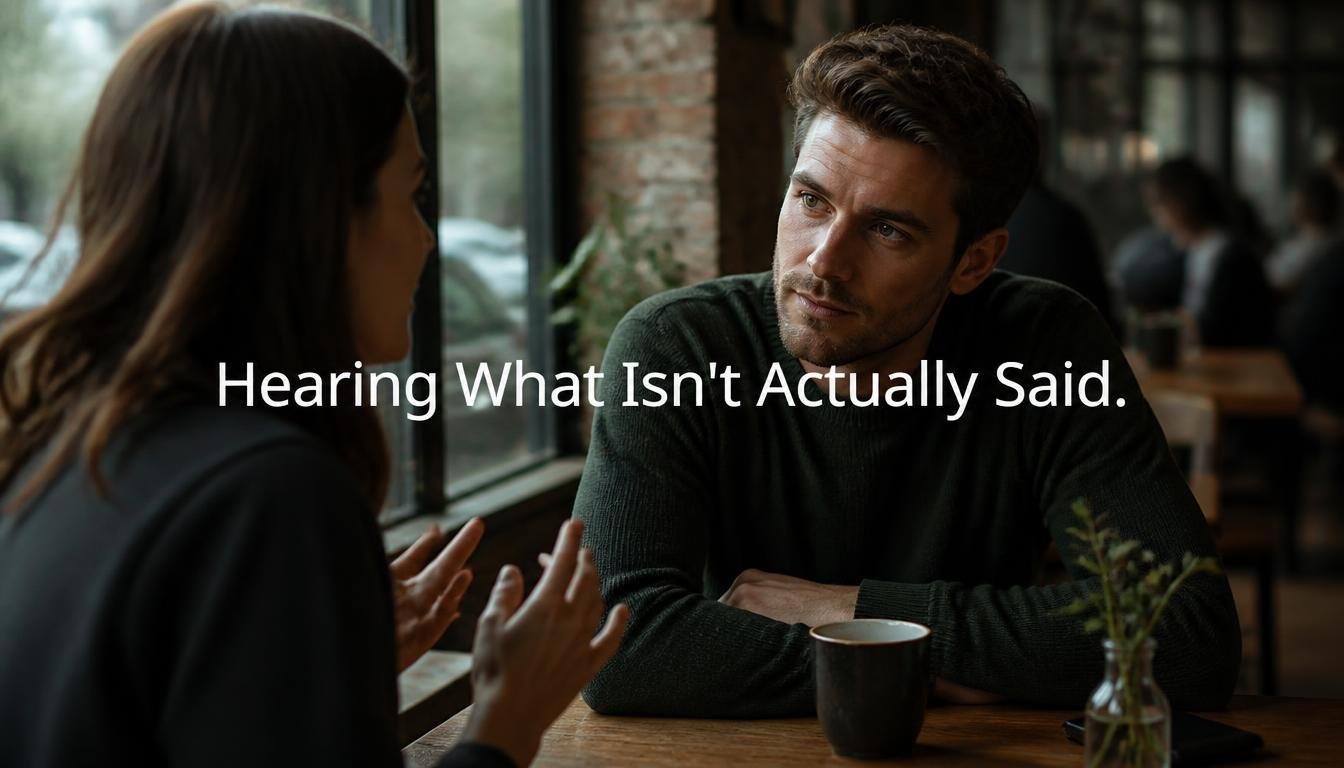
Reading people is the skill of picking up on what someone means, beyond just the words they say. It draws on tone, posture, timing, and small shifts in expression. Most people never consciously notice these signals. Done well, this skill lets you sense tension or discomfort before anyone actually names it out loud.
If you’ve ever known something was wrong before a friend said a word, you’ve already used this skill. It’s not magic. And it’s not limited to a lucky few. It’s a set of small, learnable habits.
What Reading People Actually Involves
Reading people isn’t one single skill. It’s a mix of smaller ones working together. Noticing tone of voice, even when the words stay neutral. Catching a shift in posture, like arms crossing or a step back. Picking up on timing, like a pause that lasts just a beat too long.
None of these signals mean much alone. A single crossed arm could mean discomfort. It could also just mean someone is cold. The real skill is noticing a pattern across several signals at once. Then checking that pattern against the actual moment.
This is why reading people well takes more than watching closely. It also takes judgment. Judgment about what the signals likely mean, given everything else happening around them.
Reading Body Language Without Overreading It
Reading body language is one of the most talked about parts of this skill. It’s also the most misunderstood. A single gesture rarely tells the whole story. Crossed arms can mean defensiveness. They can also just mean someone is comfortable standing that way.
A better approach looks at clusters of signals together. Not single gestures alone. Crossed arms, paired with a tense jaw and short answers, paint a clearer picture than crossed arms alone. Context matters just as much as the gesture itself. A quiet person in a loud room might just be quiet by nature. Not upset.
Learning to read body language well means slowing down. Slowing down enough to notice several signals together, rather than jumping to a conclusion from one clue.
Social Intuition and Where It Comes From
Social intuition is the quick, often wordless sense that something is off. Or something is going well, in a social moment. It tends to develop through repeated exposure to people. Especially in places where paying close attention to others actually mattered.
Some people build strong social intuition early. Often through childhoods where reading a parent’s mood accurately had real consequences. Others build it more slowly, through years in people-facing work. Or simply through a natural interest in how others think.
This intuition isn’t mystical, even though it can feel that way. It’s closer to pattern recognition, built from thousands of small past moments. It runs quickly enough that it feels instant, rather than deliberate.
Reading People Is Both Natural and Learned
The honest answer is both, working together. Some people do start with a natural edge. Often tied to high sensitivity, or an early environment that rewarded close attention to others. But natural tendency only ever accounts for part of the picture.
The learned part matters just as much. Sometimes more. Deliberate practice, like noticing tone in everyday talks on purpose, builds this skill over time. Even in people who didn’t start especially strong at it. Like most skills, the gap between natural talent and no talent tends to shrink a lot with real, steady practice.
This matters because it means anyone can genuinely get better here. It’s not a fixed trait handed out at birth. It’s a skill with real room to grow.

Picking Up on Cues Most People Miss
Picking up on cues most people miss usually comes down to slowing your own attention down. Not having some special extra sense. Most people are busy planning what they’ll say next during a talk. That leaves little attention left over for the other person’s actual signals.
A few specific cues tend to carry real weight. A slight delay before answering a simple question. This can point to hesitation or discomfort. A change in how someone uses your name, using it more or less than usual. A shift in energy right after a topic comes up, even if the words that follow stay neutral.
None of these cues are dramatic alone. But noticing them again and again, across many small moments, builds a much clearer picture. A picture of what someone is actually feeling beneath their words.
Everyday Places This Skill Shows Up
This skill shows up more than people realize, well beyond big or tense conversations. A waiter who senses a table wants the check without being asked. A parent who knows their child had a hard day before a single word is spoken. A manager who notices a normally chatty employee has gone quiet during a meeting.
None of these moments require special training. They happen because someone paused long enough to notice a small shift, and trusted that noticing enough to act on it. Most people already do this constantly in small ways, without ever labeling it as a skill.
Recognizing how often you already read people, even in tiny daily moments, can make the bigger version of this skill feel far less mysterious and far more like something you’re simply building on.
Signs Someone Is Genuinely Good at Reading People
A few clear signs tend to show up in people who read others well. They ask better follow-up questions. Questions that respond to what was actually meant, not just what was literally said. They notice mood shifts fast. Often checking in before anyone else in the room even registers something has changed.
They also tend to adjust their approach naturally, without making a big show of it. Speaking a bit more gently with someone who seems fragile in the moment. Giving someone space rather than pushing when they sense resistance building. This adjustment usually happens quietly. Almost without the person consciously deciding to do it.
People strong in this skill are also often described as easy to talk to. They tend to respond to what’s actually going on, not just the surface content of a conversation.
Practice Genuinely Improves This Skill
Yes, and this tends to be genuinely encouraging news for anyone who feels like they miss social cues often. Since this skill draws heavily on attention and pattern recognition, both respond well to steady practice over time.
A useful starting exercise is simply narrating what you notice, silently, during ordinary conversations. Their voice just got a little quieter. Their eyes moved away for a second. They answered faster than the question really needed. This kind of quiet narration trains your attention. It trains you to actually catch these details, rather than letting them pass by unnoticed.
Over weeks of this kind of practice, most people find they start noticing these signals on their own. Without needing to consciously search for them anymore.
A Simple Daily Practice for Reading People Better
Try this once a day for a couple of weeks. Ideally during a real conversation, rather than a rehearsed one.
- Pick one conversation and silently track tone changes as they happen.
- Notice one moment where the energy shifted, even slightly.
- Ask yourself what likely caused that shift, based on the context.
- If it feels natural, gently check your read out loud, like asking if something’s on their mind.
- Compare what you guessed against what they actually say, without judging yourself either way.
This kind of low-pressure practice builds real skill steadily. Without requiring any dramatic effort or forced intensity.
Reading People Accurately Cuts Down Misunderstandings
Yes, quite directly. A large share of everyday conflict comes from missed signals, rather than genuinely opposing views. Someone seems annoyed. They get asked if everything’s fine. They say yes out of habit. The actual issue never gets addressed at all.
Reading people well catches these moments earlier. Before a small misunderstanding has a chance to grow into a bigger one. Noticing hesitation and asking a direct, gentle question about it tends to resolve far more than waiting for someone to eventually say something on their own.
This is one of the most practical benefits of this whole skill. It’s not really about becoming a mind reader. It’s about catching small, real signals early enough to actually do something useful with them.
When This Skill Can Work Against You
Like most strengths, this one has a shadow side worth knowing about. Reading too much into small, ordinary signals can lead to seeing tension that isn’t really there. A tired coworker might just be tired, not upset with you specifically.
Overusing this skill can also lead to constantly managing other people’s moods, even when it isn’t your job to do so. Picking up on every small shift doesn’t mean you have to fix or respond to all of them. Sometimes the most useful move is simply noticing, without acting on every single thing you pick up on.
Balance matters here. The goal is staying aware, not staying on high alert. A skilled reader of people also knows when to let a small, passing signal simply pass.
How This Skill Differs From Judging People
It’s worth separating reading people from judging them, since the two can get tangled together without much notice. Reading someone means gathering information about their current state. Judging means attaching a verdict to that information, often before you actually understand it.
A skilled reader might notice someone seems withdrawn today, and simply hold that as useful information. A judgment-heavy approach might jump straight to deciding that person is rude, or doesn’t like you, based on the same single signal. The first approach stays curious. The second closes the door on understanding too fast.
Keeping this distinction in mind helps this skill stay useful rather than becoming a source of unfair assumptions about the people around you.
Key Takeaways
- Reading people draws on tone, posture, and timing together, not any single signal in isolation.
- Reading body language works best when looking at clusters of signals, checked against real context.
- Social intuition develops through repeated exposure to people, functioning as fast pattern recognition rather than magic.
- This is both a natural tendency and a learnable skill, meaning real improvement is genuinely possible with practice.
- Picking up on cues early tends to reduce misunderstandings, since many conflicts start from missed signals rather than real disagreement.
Listening for What Isn’t Said
Reading people well isn’t about becoming suspicious or overanalyzing every interaction. It’s about paying closer attention to the fuller picture someone is actually offering, beyond just their words.
This skill grows through simple, repeated practice, not through some rare natural gift. Noticing tone. Noticing timing. Checking your read gently, rather than assuming you’re automatically right.
Try the small daily practice above during just one conversation this week. Most people are surprised by how much they were already sensing, once they finally slow down enough to actually notice it.
Frequently Asked Questions
Being good at reading people means accurately picking up on tone, body language, and timing to understand what someone actually means, beyond their literal words. It involves noticing clusters of signals together, rather than reacting to a single gesture or tone shift alone. People strong in this skill tend to respond to the full picture, not just the surface content of a conversation.
It’s both, working together. Some people start with a natural edge, often from high sensitivity or an early environment that rewarded close attention to others. But deliberate practice builds this skill significantly over time, even in people who didn’t start especially strong at it.
Yes. Since the skill draws on attention and pattern recognition, both respond well to consistent practice. A simple exercise, like silently narrating tone and mood shifts during real conversations, tends to build noticeable improvement within a few weeks of regular effort.
Common signs include asking follow-up questions that respond to what was actually meant, noticing mood shifts early, and naturally adjusting their approach based on how someone else seems to be feeling. This adjustment usually happens quietly, without being announced or made into a big deal.
Yes, quite directly. Many everyday conflicts come from missed signals rather than genuinely opposing views. Catching hesitation or a shift in mood early, then gently checking in about it, tends to resolve issues before they have a chance to grow into a bigger problem.






- Be Respectful
- Stay Relevant
- Stay Positive
- True Feedback
- Encourage Discussion
- Avoid Spamming
- No Fake News
- Don't Copy-Paste
- No Personal Attacks
- Be Respectful
- Stay Relevant
- Stay Positive
- True Feedback
- Encourage Discussion
- Avoid Spamming
- No Fake News
- Don't Copy-Paste
- No Personal Attacks
