Anxiety Causes Physical Pain in Places You’d Never Suspect
Published: 16 Jul 2026
Anxiety causes physical pain far more often than people expect. A tight chest. An aching back. A jaw that clicks from constant clenching. These are not imagined symptoms. They are the direct result of a nervous system stuck in high alert.
This matters because so many people chase physical explanations for pain that actually trace back to anxiety. Understanding this link can save months of confusing tests and point toward relief that actually works.
How Worry Turns Into Real Physical Pain
Anxiety triggers the body’s threat response, even when no real threat exists. Muscles tense automatically, preparing to fight or flee. Breathing gets shallow. Heart rate rises. This response was built for short bursts of danger, not hours of background worry.
The problem is duration. A brief burst of tension resolves quickly. Anxiety that lingers for days or weeks keeps muscles contracted long after they should have relaxed. Sustained muscle tension is genuinely painful. It works the same way holding a heavy bag for hours would hurt your arm.
This is why anxiety causes physical pain that feels entirely separate from anything emotional. The pain is real. Its origin simply sits upstream, in a nervous system that never got the signal to stand down. Many people spend months searching for a physical cause before anxiety causes physical pain even enters the conversation.
What Somatic Anxiety Actually Means
Somatic anxiety refers to anxiety that shows up primarily through bodily sensations rather than obvious worried thoughts. A person with this pattern might not feel consciously anxious at all. They might just feel a tight chest, a racing heart, or a knotted stomach, with no clear emotional trigger in sight.
This form of anxiety often gets misdiagnosed as unexplained body pain. Doctors run tests for the heart, the stomach, or the joints, and the tests come back clear. The symptoms are still there. This pattern hides the emotional root well enough that both patient and doctor can miss it entirely.
Recognizing this pattern often starts with timing. Symptoms that flare during stressful periods and ease during calmer ones point toward this component, even without a clear emotional feeling attached.
When Tests Come Back Clear But Pain Remains
Unexplained body pain is one of the most frustrating experiences in medicine, for doctors and patients alike. Scans look normal. Blood work looks normal. The pain is still there, sometimes for months.
This gap does not mean the pain is fake or that doctors have failed somehow. It often means the cause sits in the nervous system’s stress response rather than in visible tissue damage. This kind of pain frequently resolves, at least partly, once the underlying anxiety gets addressed directly. Endless additional physical testing rarely finds anything new at that point.
A useful next step, once serious causes are ruled out, is tracking pain alongside stress levels for two weeks. A clear pattern between stressful days and flare-ups is often the clue that anxiety has a real physical component worth treating directly.
Where the Body Tends to Hold Stress and Muscle Tension
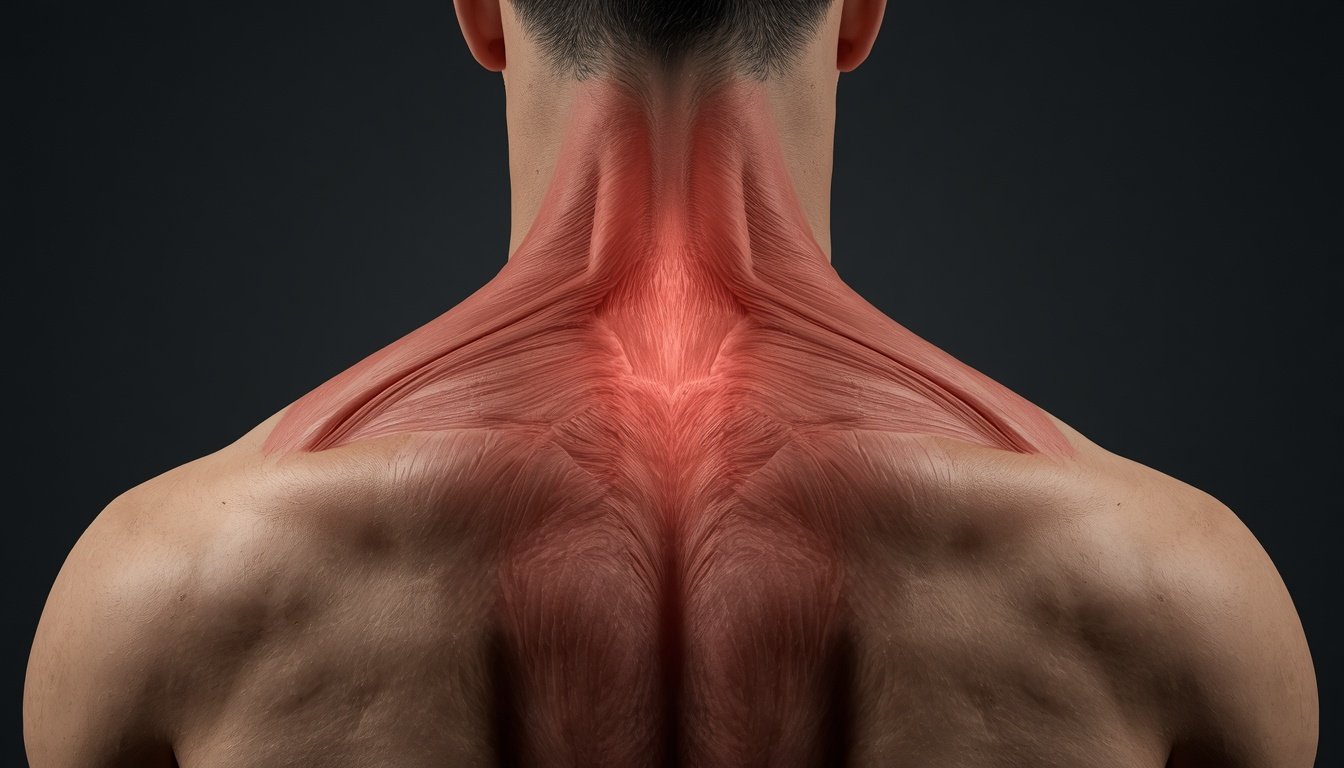
Stress and muscle tension concentrate in a few predictable places. The jaw clenches, often overnight, leading to morning headaches or sore teeth. The shoulders creep upward toward the ears, tightening the upper back over hours without notice.
The lower back carries a different kind of load, often tensing as part of a broader full-body brace response. The stomach and gut react too, since the digestive system shares many of the same nerve pathways as the brain’s stress centers.
These patterns are not random. Stress and muscle tension tend to concentrate in areas with dense muscle groups and heavy nerve activity. This is exactly why jaw, shoulders, back, and gut show up so often in anxiety-related pain.
Can Pain Really Be Purely Psychological?
This question comes up constantly, and the honest answer needs some nuance. Pain generated by anxiety is not imagined. It is real pain, produced through real muscle tension, real nerve activity, and real physiological stress responses.
What differs is the origin, not the reality of the sensation. A pulled muscle and an anxiety-related muscle knot can feel remarkably similar. One came from physical strain. The other came from sustained emotional tension. Both hurt. Both deserve care.
Ruling out other causes still matters first. Persistent, severe, or unusual pain should always be checked by a doctor first. This is true even when anxiety feels like the obvious explanation.
A Simple Way to Check Your Own Pattern
A short weekly log can help confirm whether anxiety causes physical pain in your specific case. Try this over the next two weeks. It takes only a minute or two each evening, and the pattern often becomes clear well before the two weeks are up.
Each evening, rate your stress level from one to ten. Note any physical pain you felt that day and where. After two weeks, look for overlap. A clear match between high-stress days and pain days is a strong personal signal, even without a formal diagnosis attached to it.
This kind of tracking will not replace a doctor’s evaluation for anything severe or persistent. It does offer a useful, low-effort way to see your own pattern clearly, rather than guessing at the connection from memory alone.
Common Situations Where This Pain Shows Up
Certain moments make it especially clear that anxiety causes physical pain rather than a structural problem. A tight chest before a big presentation, gone within an hour of it ending. A stomach ache that flares every Sunday night before a stressful work week. A headache that reliably follows an argument, hours later, once the adrenaline fades.
These situational patterns are often the clearest evidence available. Pain tied tightly to specific stressful triggers is telling. When it eases once the trigger passes, that points strongly toward an anxiety-driven cause rather than an ongoing physical injury.
Easing Anxiety Related Pain in the Body
A few approaches directly target the physical side of anxiety, rather than only the thoughts driving it. Progressive muscle relaxation, tensing and releasing each muscle group in sequence, can interrupt the automatic clenching pattern anxiety creates.
Slow, extended exhales signal safety to the nervous system faster than most other techniques. Breathing out longer than you breathe in activates the body’s natural calming response within minutes.
Gentle movement, like stretching or a short walk, helps metabolize the stress hormones causing the tension in the first place. This works even when the anxiety itself has not fully resolved yet, since it addresses the physical buildup directly. Ten minutes is often enough to notice a real difference in how tight a muscle group feels.
Why This Connection Gets Missed So Often
Medical training has historically separated mental and physical health into different specialists, different appointments, and different tests entirely. This separation makes it easy to overlook the fact that anxiety causes physical pain, even with well-meaning doctors working carefully through a case.
Patients often feel this gap directly. A cardiologist checks the heart and finds nothing wrong. The patient goes home without the anxiety ever being addressed, even though it may be driving the chest tightness itself. Neither party did anything wrong. The system itself simply was not built to connect the dots automatically.
Bringing up anxiety directly with a doctor, even when the primary complaint feels entirely physical, can help close this gap faster. Simply mentioning stress levels alongside physical symptoms helps. It gives a doctor room to consider that anxiety causes physical pain as part of the full picture, not just the physical findings alone. Many doctors welcome this context, since it helps narrow down next steps faster.
Conclusion
Anxiety causes physical pain through a real, traceable mechanism, not through imagination or exaggeration. Sustained muscle tension, shaped by a nervous system stuck in alert mode, produces pain the same way any other prolonged strain would.
This pattern and unexplained body pain often hide in plain sight, disguised as purely physical problems. Recognizing the pattern helps. Treating both the mind and body together tends to bring far more lasting relief than either approach alone.
Start by noticing where your own body holds tension right now. Jaw, shoulders, stomach, or somewhere else entirely. That noticing is often the first step toward loosening a pattern that has been running quietly for a long time. Small, consistent attention to this pattern, over weeks rather than days, tends to bring the most lasting change.
Frequently Asked Questions
Yes, anxiety can cause real physical pain through sustained muscle tension, elevated nerve activity, and the body’s stress response. Common areas affected include the jaw, shoulders, back, and stomach, especially during prolonged periods of worry.
Somatic anxiety is anxiety that shows up mainly through physical sensations, like a tight chest or racing heart. It shows up more through sensation than through clear worried thoughts.
Stress activates the body’s threat response, which automatically tenses muscles to prepare for danger. When stress continues for days or weeks, muscles stay contracted far longer than they were designed to, which produces real, lasting pain.
The body commonly holds stress in the jaw, shoulders, neck, lower back, and stomach. These areas have dense muscle groups and strong nerve connections to the brain’s stress centers. That combination makes them common sites for tension to build.
Pain linked to anxiety is not imagined, even though its root cause is psychological rather than structural. The pain itself is produced through real muscle tension and nervous system activity. This is why it feels just as real as pain from a physical injury.






- Be Respectful
- Stay Relevant
- Stay Positive
- True Feedback
- Encourage Discussion
- Avoid Spamming
- No Fake News
- Don't Copy-Paste
- No Personal Attacks
- Be Respectful
- Stay Relevant
- Stay Positive
- True Feedback
- Encourage Discussion
- Avoid Spamming
- No Fake News
- Don't Copy-Paste
- No Personal Attacks
