Confident Alone but Not Around Others What’s Actually Happening
Published: 15 Jul 2026
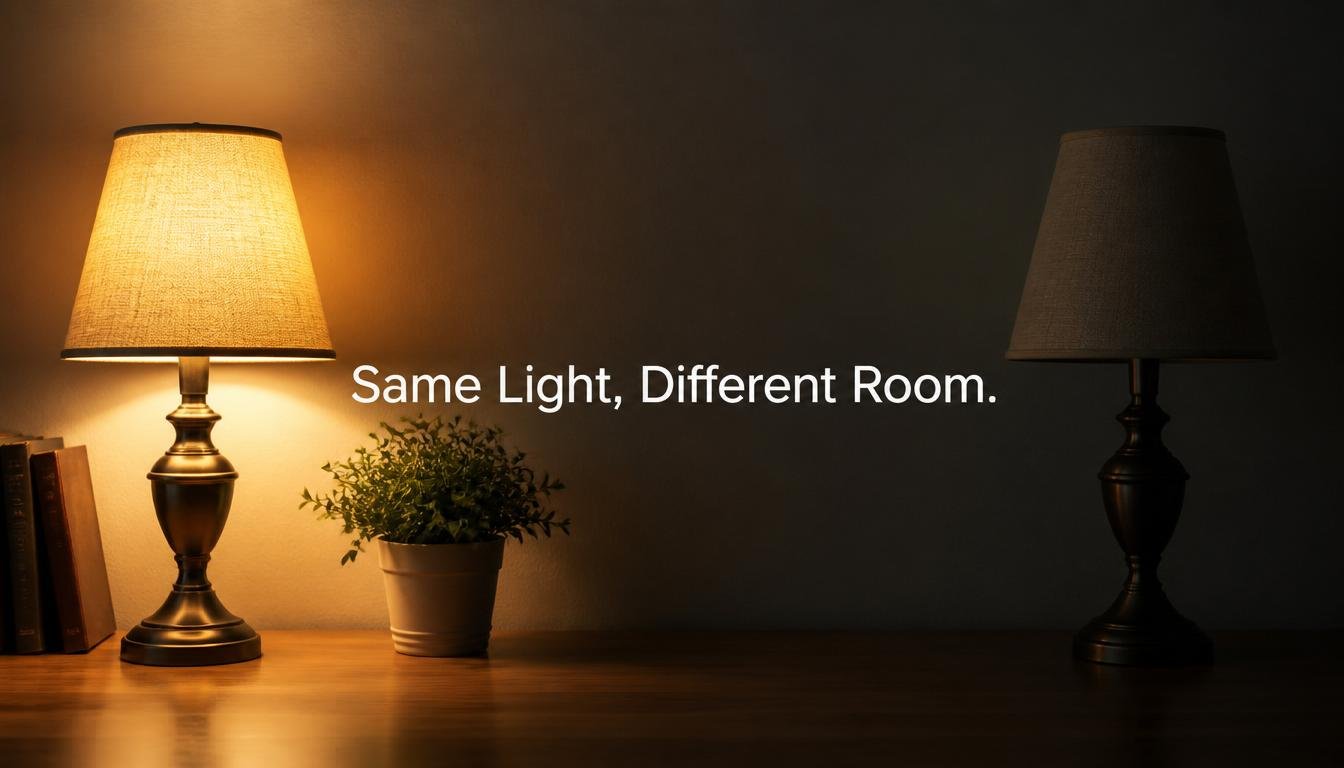
Feeling confident alone but not around others is one of the most common, least talked-about confidence problems. It happens when your inner sense of self feels solid. That sense then collapses the moment other people start watching. This gap can feel confusing, since it seems to prove that you are only confident in theory.
This matters because it often gets mistaken for a personality flaw. It is not. Being confident alone but not around others is a specific, learnable pattern. Understanding why it happens is the first step toward closing that gap.
The Strange Gap Between Alone and Around Others
Picture Leo. Alone in his apartment, he feels sharp, funny, and sure of himself. He rehearses conversations in his head, and they go perfectly. The moment he steps into a room full of people, something shifts. His mind goes blank. His voice gets quieter.
This is what it means to be confident alone but not around others. The self you know in private does not disappear. It just gets buried under a new layer of pressure the second an audience appears.
This gap is not proof that your private confidence is fake. It is proof that a second system kicks in around people. That system is built for performance and judgment, not just thought. That system runs on different rules.
Social Confidence Works Differently Than Private Confidence
Social confidence depends on more than just what you think. It depends on how safe your body feels while being watched. Alone, there is no audience to read, no risk of visible failure. Around others, your brain starts scanning for judgment in real time.
This scanning uses real mental resources. While part of your brain tries to think of what to say, another part is watching faces and tone. This split focus is exactly why thoughts that flowed easily alone suddenly feel hard to find around people.
Here is a quick comparison of what each state actually involves:
| Alone | Around Others | |
| Mental focus | Fully on your own thoughts | Split between thoughts and monitoring reactions |
| Risk felt | None, no audience to judge | Ongoing risk of visible failure |
| Body state | Relaxed, low alert | Alert, scanning for cues |
| Speech | Flows easily | Can feel slow or blank |
The good news is that this scanning habit can soften. It formed through experience, which means new experience can retrain it. It is not a fixed trait you are stuck with forever.
Performance Anxiety vs This Specific Pattern
Performance anxiety and this pattern overlap, but they are not identical.
- Performance anxiety usually shows up around a specific task, like public speaking or a big presentation.
- This pattern can show up in ordinary, low-stakes moments too, like a casual group chat at lunch.
- Both share a common root: a brain that treats being watched as a kind of test.
The body reacts as if something important is on the line, even when nothing truly is. If this shows up mostly in high-stakes moments, it likely leans more toward performance anxiety. If it shows up in nearly any group setting, it likely points to something broader. That would be a pattern of confidence inconsistency tied to being observed.

The Frustration Behind Confidence Inconsistency
Confidence inconsistency is uniquely frustrating because you know the confident version of you exists. You have felt it. That makes the gap feel like a personal failure rather than a pattern with a real cause.
This frustration often makes things worse. After a socially awkward moment, many people replay it for hours. They add new layers of self-criticism on top of the original discomfort. This replay habit trains the brain to expect the same failure next time. It deepens the exact pattern you are trying to escape.
Breaking this cycle starts with noticing the replay itself. The moment has already passed. The reply is not useful information. It is simply an old habit repeating itself.
Signs You’re Dealing With This Specific Pattern
This pattern tends to show up in a few recognizable ways:
- You feel articulate and witty in your head, but words come out flat or delayed in conversation.
- You avoid group settings, not because you dislike people, but because you dislike how you feel around them.
- You feel a strong sense of relief after leaving a social situation, even one that went fine.
- You rehearse conversations in advance, then feel thrown off when the real one does not follow the script.
That relief after a social event is a useful clue. It suggests your body was working hard the whole time. This is true even if nothing visibly went wrong.
Try this short reflection to map your own pattern for being confident alone but not around others:
- Recall a recent moment when you felt confident alone but not around others.
- Notice what physically happened in your body once others were present.
- Ask what you were most afraid others would think.
- Consider whether that fear matches how people actually reacted.
- Write one small piece of evidence that challenges the fear.
How to Stay Grounded in Groups
Staying grounded starts with lowering the stakes in your own mind. Most people focus far less on judging you than it feels like in the moment. This is worth reminding yourself of before entering a group setting.
A few practical anchors help in the moment:
- Ground through the body first. Slow your breathing before entering a room. Relax your shoulders. Physical calm signals safety to your brain faster than any mental pep talk.
- Set a specific goal. Instead of “seem confident,” try “ask one person one question.” Specific goals are achievable. Vague goals just create more pressure.
- Pick one anchor person. Find one familiar or friendly face in the room. Check in with them mentally when things feel like too much.
Practice Can Fix Inconsistent Confidence
Yes, though it takes repeated, gentle exposure rather than one big breakthrough moment. Feeling confident alone but not around others rarely resolves through avoidance. Your brain never gets new evidence to update the pattern.
Start with lower-stakes settings. A small gathering with one or two people you trust is a better starting point than a large party. Build up gradually, the same way you would build any other skill.
Track small wins, not perfection. A single sentence spoken with ease counts as progress, even in an otherwise awkward conversation. Over time, these small wins add up to a steadier, more consistent sense of confidence.
This steadier confidence connects back to the broader work of learning how to build self confidence overall. Social settings are just one area where that same underlying skill gets tested.
Signs This Gap Is Actually Closing
Progress here rarely feels like a single breakthrough. It shows up in smaller, more specific signs:
- A group setting that used to feel draining now just feels mildly effortful.
- You catch yourself mid-blank and recover faster than before.
- One social setting improves noticeably while another still feels hard, and that unevenness stops feeling alarming.
Old patterns can still return during stressful periods, even after real progress. A hard week at work might bring the old blankness back in a setting that normally feels fine now. This is a setback, not a full reset.
This is general guidance, not a clinical prescription. If this pattern causes real daily distress, a therapist familiar with social anxiety can offer more structured support.
Where This Gap Shows Up Most
Not all group settings trigger this pattern equally. Being confident alone but not around others often gets worse in specific conditions. New groups feel harder than familiar ones. Groups with an unclear social role feel harder than ones with a clear purpose. A work meeting with a set agenda is one example of the easier kind.
Status also plays a role. A gap tends to widen around people you perceive as having higher status, being more attractive, or being more successful. This is not really about those people. It is about which situations your brain has flagged as higher risk for judgment.
Noticing your own specific triggers can help. Some people feel confident alone, but not around others, only in romantic settings. Others feel it mostly at work, or only in large groups rather than small ones. Naming the exact trigger makes the pattern easier to work with directly.
Conclusion
Feeling confident alone but not around others is not proof that your private self is fake. It is a specific, learnable pattern shaped by how your brain handles being watched. That pattern can soften with the right kind of practice.
Social confidence and private confidence do not have to stay this far apart. Small, repeated, low-stakes practice slowly teaches your brain that being seen is not actually dangerous.
Start with one small group moment this week. Notice how it goes, without judging it too harshly. That single small step is often where a steadier, more consistent confidence begins.
Frequently Asked Questions
Confidence often dips around people because the brain shifts into a monitoring mode. It scans for judgment while also trying to think and speak. This split focus makes thoughts that flowed easily alone feel harder to access in social settings.
It can overlap with social anxiety, but it is not always the same thing. Social anxiety often involves a stronger fear response and more avoidance. This pattern can simply be a milder form of confidence inconsistency tied to being observed.
Staying confident in groups often starts with lowering the stakes in your mind, calming your body through slower breathing, and setting small, specific goals like asking one question rather than trying to seem confident overall.
Yes, most people feel at least somewhat different alone versus around others. What varies is the size of that gap and how much it affects daily life. Early social experiences often shape how large the gap becomes.
Yes, gradual and repeated exposure helps. Starting with lower-stakes situations can close this gap over time. Avoiding groups entirely tends to keep the pattern in place. The brain never gets new evidence to update it.






- Be Respectful
- Stay Relevant
- Stay Positive
- True Feedback
- Encourage Discussion
- Avoid Spamming
- No Fake News
- Don't Copy-Paste
- No Personal Attacks
- Be Respectful
- Stay Relevant
- Stay Positive
- True Feedback
- Encourage Discussion
- Avoid Spamming
- No Fake News
- Don't Copy-Paste
- No Personal Attacks
