What Is Emotional Intelligence, Beyond the Buzzword
Published: 31 Jul 2026
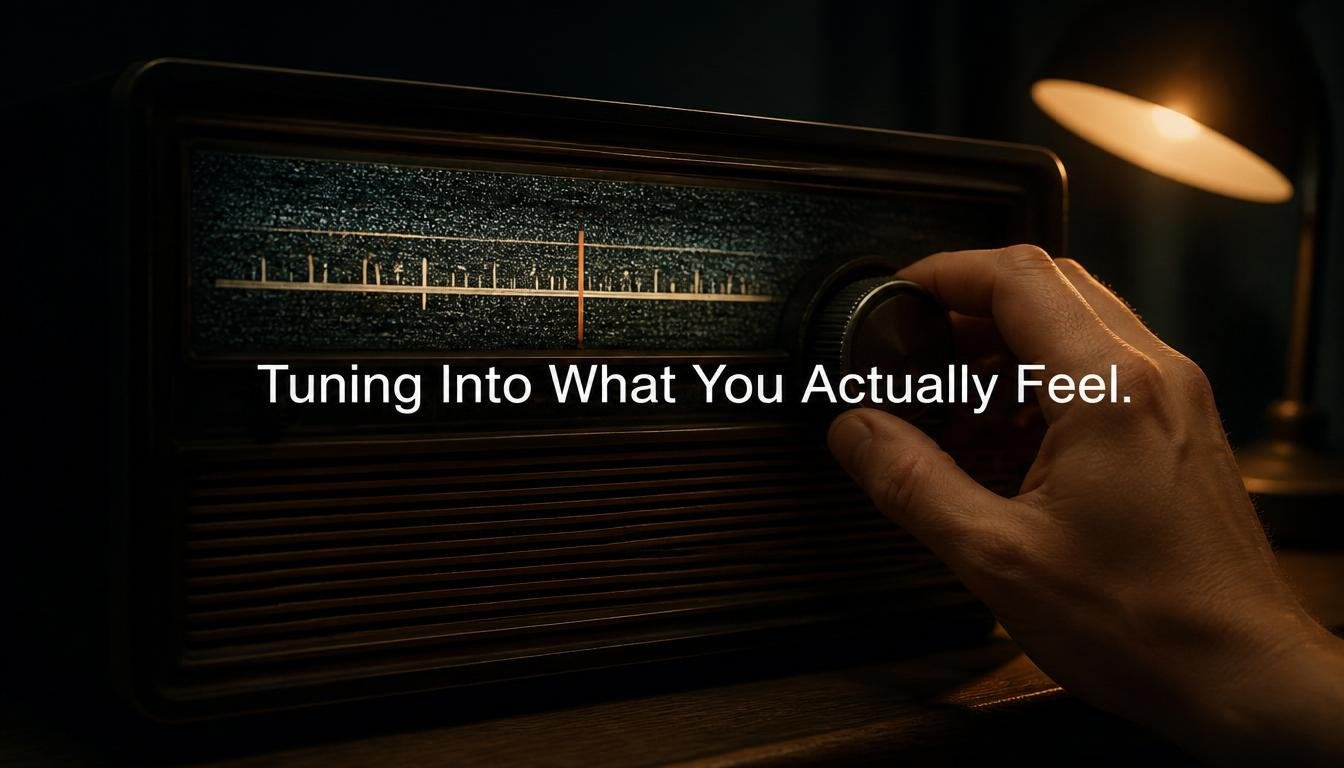
What is emotional intelligence, in plain terms? It’s the ability to notice what you feel. It’s also the ability to understand why you feel the way you do. And it’s the skill of using that information to guide your actions rather than just reacting.
This matters more than people think. It shapes how you handle conflict. It shapes how much people trust you at work. The good news is that it’s not fixed. You can build it the same way you build any other skill. Once you understand what is emotional intelligence actually made of, building it stops feeling so abstract.
Beyond the Buzzword: What the Term Actually Covers
The phrase gets thrown around loosely. Sometimes it just means “being nice.” Sometimes it means staying calm under pressure. Neither one really captures the full idea.
At its core, this skill set is about noticing feelings clearly. Yours and other people’s. Then, using that information wisely. That second part matters most. Noticing a feeling isn’t enough on its own. You have to know what to do with it.
Two people can both seem emotionally aware on paper. Then a hard conversation happens. One softens their approach. The other barrels ahead anyway. Awareness alone doesn’t guarantee a good outcome. This gap between knowing and doing is really what is emotional intelligence about once you strip away the surface-level definition.
Four Building Blocks Most Definitions Skip
Most short explanations flatten this whole idea into one line. Usually something like “understanding feelings.” The real picture has four separate parts. Skip one, and something important goes missing.
The first is noticing your own feelings as they happen, not hours later. The second is managing what you do with that feeling once it shows up. The third is picking up on what other people feel, from tone and body language. The fourth is using all three to actually handle real conversations well.
Most people are strong in one or two of these. And weaker in the rest. Someone might read a room perfectly, then completely lose their cool once they’re upset. Someone else might stay calm inside, but miss every social cue in the room. Neither pattern is the whole picture.
IQ and EQ Run on Different Tracks
People often treat IQ and EQ like opposites. As if being strong in one means you’re weak in the other. That framing falls apart pretty fast.
IQ measures things like memory, logic, and problem-solving. This other system measures something different. It’s about how well you notice and use emotional information. A person can score high on one and still struggle with the other. That happens all the time.
Workplace research backs this up. Strong emotional skills often predict good leadership better than IQ alone does. That doesn’t make IQ useless. It just means this other skill set covers ground that raw logic was never built to cover.
What a Weak Grasp of This Skill Looks Like
This weakness rarely shows up directly. It tends to sneak in sideways. One common sign is struggling to name what you feel during a hard moment. Another is being blindsided by how people react to you, again and again.
A few more quiet signs are worth naming. Feeling something strongly but only being able to call it “bad” or “fine.” Reacting to conflict in a way you regret minutes later. Missing that someone is upset until they say it out loud, even when the signs were obvious.
None of this means something is broken in you. It usually just means a specific skill never got much practice. Often, because nobody modeled it clearly growing up. That’s a gap. Not a life sentence.

What These Skills Look Like in Real Life
This concept can feel abstract until you see it in action. Noticing your own jaw tighten during a call, before your tone sharpens, is one example. Taking a breath before replying to a rude text is another.
Catching a small shift in someone’s voice and asking if they’re okay is the third. Choosing calmer words instead of just accurate ones is the fourth. None of these requires a huge effort. They’re small, almost invisible moves. Repeated often enough, they start to feel automatic.
Where This Skill Tends to Break Down
This isn’t one single skill that’s either present or missing. It’s several skills. Most people have a specific spot where theirs tends to fail under pressure.
Some people can name their feelings just fine in calm moments. Then real stress hits, and they go blank. Others read their own state clearly, but soak up everyone else’s mood until they can’t tell which feelings are actually theirs.
Some people freeze completely during hard talks, right when clarity matters most. Others jump straight from feeling to reacting, with almost no gap between the two. And for some, anxiety and excitement feel nearly identical in the body, which makes both confusing to sort out in the moment.
Each pattern points to a different piece needing more direct attention. Each one is common. Worth understanding on its own, rather than lumping it all together as “bad with emotions.”
Improving Emotional Intelligence Is Genuinely Possible
This part is genuinely good news. Improving emotional intelligence doesn’t mean rewiring your whole personality. It’s closer to strength training. You practice one narrow thing, in low-stakes moments first, until it holds up under real pressure.
Naming your feelings more precisely is a strong place to start. Instead of settling for “stressed,” try one layer deeper. Maybe it’s “overwhelmed.” Maybe it’s “resentful.” That small shift alone tends to sharpen both self-awareness and how clearly you explain yourself to others. This is one of the simplest emotional intelligence skills to practice, and it pays off fast.
Pausing before you respond in a charged moment matters too. Even a few seconds of delay gives you slower thinking time to catch up. Practicing this in small moments, like a mildly annoying email, builds the habit before you need it somewhere bigger. Improving emotional intelligence this way, one small pause at a time, tends to stick far better than any single big effort.
Why the Buzzword Version Falls Short
Ask five people what is emotional intelligence, and you’ll likely get five different answers. Some will say it means being nice. Others will say it means staying calm no matter what. Both answers miss the point.
The buzzword version treats this as a mood. Something you either have or don’t. The real version treats it as a set of emotional intelligence skills, each one separate and learnable. That distinction matters because moods can’t really be practiced. Skills can.
This is also why generic advice like “just be more self-aware” tends to fall flat. It names a goal without giving you anything to actually do. Real progress comes from picking one specific piece, like naming feelings more precisely, and practicing just that.
A Quick Way to Spot This Skill in Someone Else
It helps to see what this looks like from the outside, since it’s often easier to spot in others before you notice it in yourself. Watch how someone handles being interrupted or told they’re wrong in front of a group.
Someone with strong emotional intelligence skills tends to pause before reacting, even briefly. Their voice doesn’t spike immediately. They ask a clarifying question instead of firing back. None of this means they don’t feel annoyed or embarrassed. It just means the feeling doesn’t drive the very next thing they say.
Watching for this in people you admire can actually teach you more than reading another list of tips. It shows the skill in motion, which is usually more useful than any definition.
A Short Daily Practice Worth Trying
Try this once a day for two weeks. It takes under five minutes. It works better as a small daily habit than as one big effort.
- Pause sometime today and name the strongest feeling you’re having, as specifically as you can.
- Ask what happened right before that feeling showed up.
- Notice one physical sign of it, like tension or a change in your breathing.
- Choose one small, deliberate response instead of letting the feeling drive you automatically.
- Write the whole thing down in one sentence.
Over two weeks, this builds a habit of catching feelings earlier. That’s often the entire difference between reacting and actually choosing.
A Few Common Mistakes to Watch For
People trying to build this skill often make the same few missteps. The first is treating it as a performance. Staying quiet or overly polite isn’t the same as actually processing a feeling. It just delays the reaction, and the feeling usually resurfaces later, often at a worse time.
The second mistake is skipping the noticing step entirely. Jumping straight to “managing” a feeling you haven’t clearly named rarely works well. You end up managing the wrong thing, which wastes effort and leaves the real feeling untouched.
The third is expecting instant results. This skill builds slowly, through repetition, not through one insightful conversation or article. Patience matters here more than intensity. Small, boring, repeated practice beats one dramatic breakthrough almost every time.
Key Takeaways
- This is a skill set, not a fixed trait, so it can be built over time.
- It breaks into four parts: noticing, managing, reading others, and connecting.
- IQ and EQ measure different systems. Neither replaces the other.
- A weak grasp of this skill often shows up as confusion in naming feelings, or being repeatedly surprised by others.
- Small, repeated practice, like naming feelings more precisely, works faster than trying to fix everything at once.
Where This Leaves You
This isn’t about becoming a calmer, more agreeable version of yourself. It’s about actually understanding what’s happening inside you. And around you. Clearly enough to respond on purpose, instead of by accident. That’s a far more useful answer to what is emotional intelligence than any textbook definition.
If any of this felt familiar, from going blank under pressure to soaking up everyone else’s mood, that’s not a flaw in your character. It’s a specific, learnable skill. One that’s simply waiting for a bit of direct attention.
Start with one piece. Pick a single moment today to name what you’re actually feeling. One layer deeper than usual. That small habit, repeated enough, is where real growth tends to start. It won’t feel dramatic at first, and that’s fine. Most lasting change rarely does.
Frequently Asked Questions
It’s generally broken into four parts: noticing your own feelings, managing them once noticed, reading other people’s emotions, and using all of that to navigate real relationships well. Most people are naturally stronger in one or two of these areas. The others usually take more direct practice to build.
Yes. It works more like a skill than a fixed trait, so it responds well to steady practice. Small habits, like naming your feelings more precisely or pausing before reacting, tend to build it gradually over weeks and months. Most people see real change through repeated small efforts, not one big push.
IQ measures things like memory, logic, and problem solving. EQ measures how well you notice and manage emotional information, both your own and other people’s. They’re separate systems entirely. A person can be strong in one and still be developing the other.
It shapes how conflicts get resolved and how trusted you feel at work. Research has linked strong emotional skills to better leadership and stronger team trust, often more reliably than IQ alone. It also affects daily life, since misreading your own feelings tends to create ongoing friction.
Common signs include struggling to name what you feel in the moment or being repeatedly surprised by how people react to you. Reacting to conflict in ways you regret shortly after is another common sign. These patterns point to a skill that hasn’t been built yet, not a permanent limit.






- Be Respectful
- Stay Relevant
- Stay Positive
- True Feedback
- Encourage Discussion
- Avoid Spamming
- No Fake News
- Don't Copy-Paste
- No Personal Attacks
- Be Respectful
- Stay Relevant
- Stay Positive
- True Feedback
- Encourage Discussion
- Avoid Spamming
- No Fake News
- Don't Copy-Paste
- No Personal Attacks
