Emotional Regulation Strategies for a Stronger Mindset
Published: 24 Jun 2026
Introduction
Something small happens, and suddenly everything inside you feels loud. A comment that stings. A plan that falls apart. A moment of frustration that takes over before you even see it coming. This is not a weakness. It is what happens when your emotions move faster than your awareness of them.
Learning to keep your emotions in check is one of the most powerful things you can do for your mindset, your relationships, and your daily life. It does not mean suppressing how you feel. It means learning to respond to feelings rather than being controlled by them.
This article covers what it means to manage your feelings, why it matters, practical strategies you can use today, how mindfulness plays a role, when therapy helps, and how to teach these skills to young people. Each section is short, clear, and easy to apply.
1. What It Really Means to Manage Your Emotions
Before building any skill, it helps to understand what you are actually building. The emotional regulation definition most experts agree on is this: the ability to notice, understand, and influence your own emotional responses in healthy and effective ways.
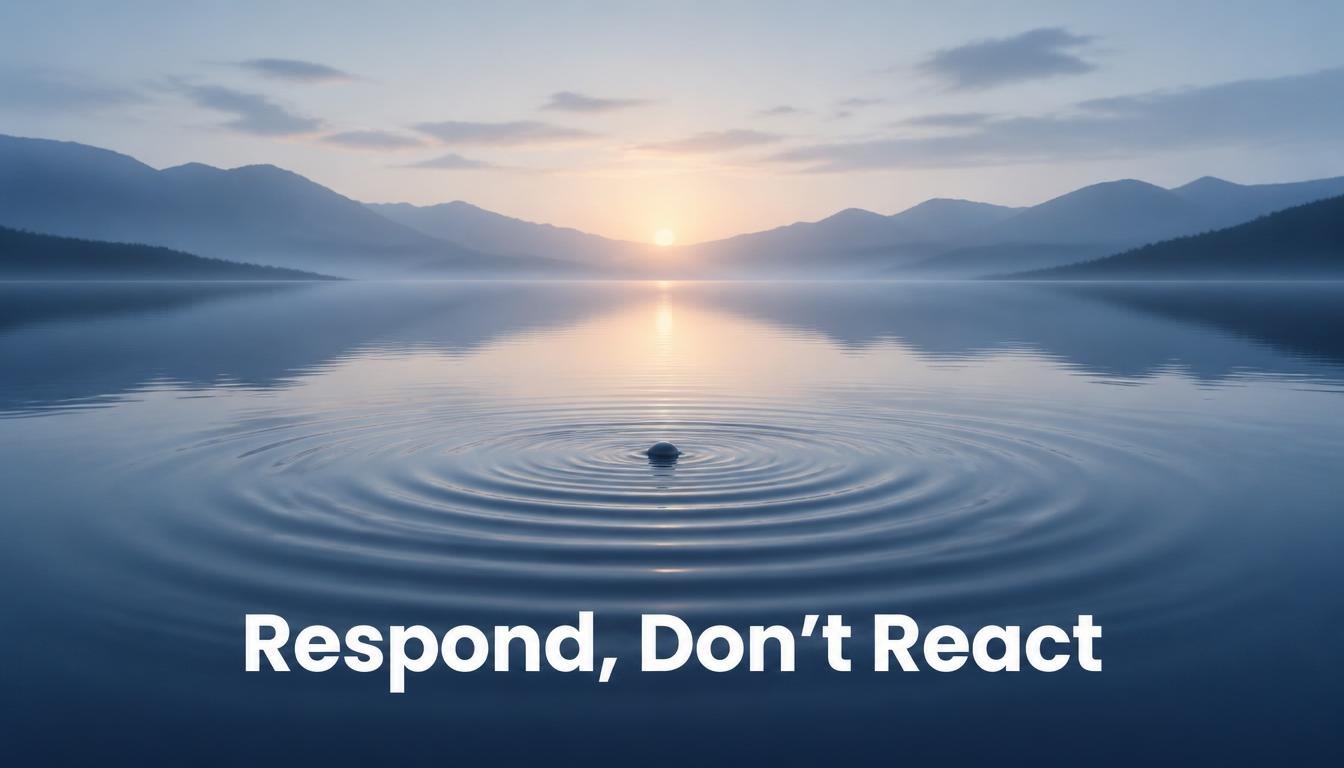
A simpler emotional regulation definition is knowing how you feel, understanding why you feel it, and choosing how to respond rather than just reacting. Most people skip all three of these steps and go straight to the reaction, which is where regrets are usually born.
It is important to separate managing your feelings from hiding them. Keeping your emotions in check does not mean pushing feelings down or pretending they do not exist. That approach tends to make things worse over time. True emotional balance means feeling the emotion, making sense of it, and then choosing how to act in a way that helps you.
A simple emotional regulation definition for everyday use: you feel something, you notice it, and then you choose your next move. That pause between feeling and response is the skill.
2. Why Keeping Emotions in Check Is a Learnable Skill
Many people believe they are simply wired a certain way. That they are naturally hot-tempered, or naturally anxious, or naturally prone to shutting down. Personality plays a role, yes. But managing your feelings is largely a learned skill, not a fixed trait.
The brain has a part called the prefrontal cortex. It handles reasoning and can calm the more reactive emotional parts of the brain. But only when it is trained. That training comes from practice, not willpower alone.
Think of it like physical fitness. Nobody becomes strong by just deciding to be strong. They train, rest, and train again. Building emotional strength works the same way. Each time you catch a feeling and choose a thoughtful response, you are doing a rep. Over time, the skill becomes more natural. Reactions become less automatic.
No matter where you are right now, real progress is possible. Whether you feel no control at all or just want to handle hard moments a little better. It just takes the right approach and a bit of consistent practice.
3. Simple Daily Strategies That Build Emotional Balance
You do not need a major life overhaul to start building stronger emotional control. Small, repeated habits are what make the real difference over time.
Naming what you feel is one of the simplest and most effective starting points. When you notice a reaction rising, stop and label it. Frustrated. Disappointed. Nervous. Naming a feeling engages the thinking part of your brain. It naturally reduces the intensity of the emotional response.
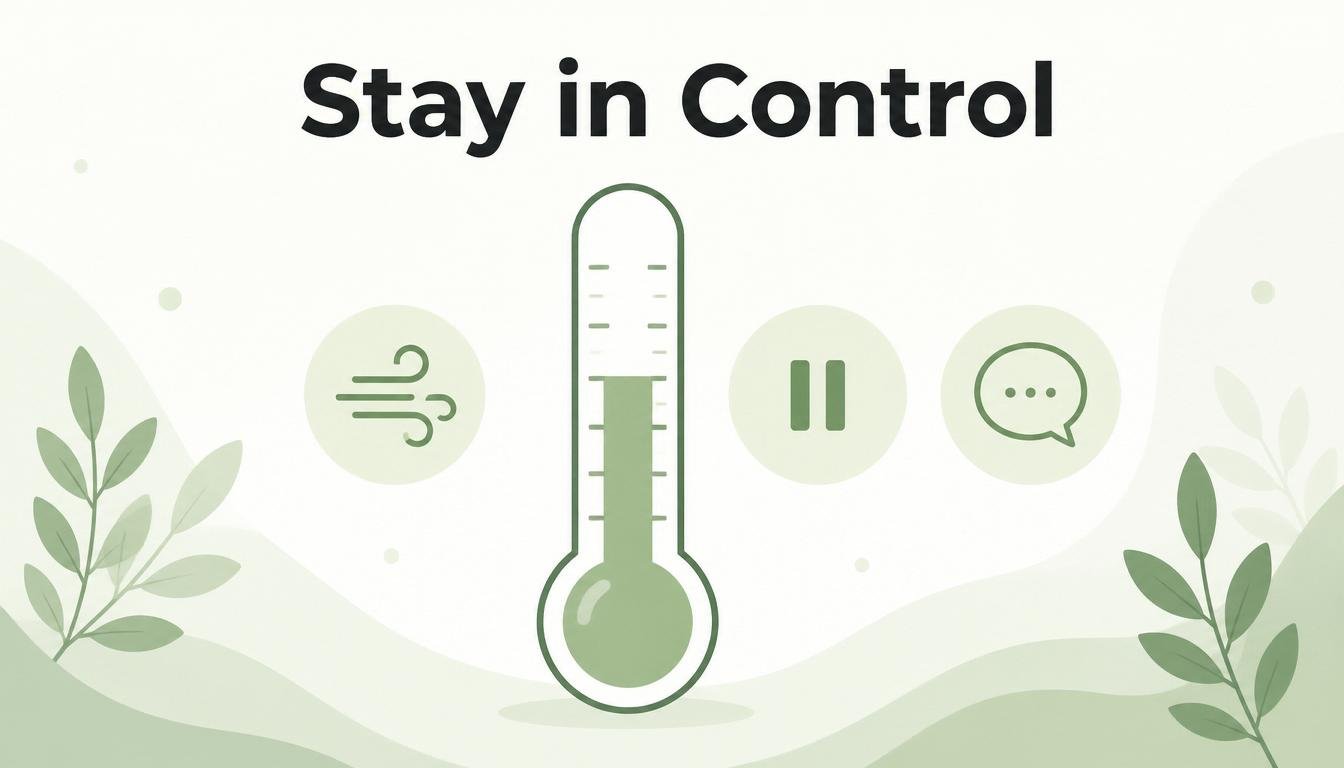
Pausing before responding is another core habit. When a strong reaction comes, wait. Take a breath. Even ten seconds of pause can stop an automatic reaction and replace it with a chosen one. This small gap is where emotional strength is actually built.
Checking in with your body is also helpful. Emotions live in the body before they show up in thoughts. A tight chest, a clenched jaw, or shallow breathing are all early signals. Something is happening emotionally before you even think about it. Noticing these signs early gives you more time to respond thoughtfully rather than react.
End each day with a brief reflection. What triggered a strong feeling today? How did you respond? What would you do differently? This short review, even just a few minutes before sleep, builds self-awareness faster than almost any other single habit.
4. How Mindfulness Helps You Stay in Control
Emotional regulation mindfulness is one of the most researched and reliable approaches available. It works by training your attention to stay in the present moment rather than being pulled into reactive thinking.
The link between emotional regulation, mindfulness, and better emotional control is well supported. When you practice noticing your thoughts and feelings without right away judging them or acting on them, you build the mental muscle that makes thoughtful responses more natural and reactive ones less frequent.
A simple emotional regulation mindfulness exercise you can try today: sit quietly for three minutes. When a thought or feeling arises, notice it, name it gently, and let it pass without following it. This is not about having an empty mind. It is about watching your feelings without being swept away by them.
Over time, this kind of practice creates a small but powerful gap between a feeling and your response to it. That gap is where real emotional strength lives.
5. When Therapy Becomes the Right Next Step
Self-help strategies work well for many people. But sometimes the patterns around managing feelings run deeper, and that is where therapy for emotional regulation becomes a genuinely valuable option.
Therapy for emotional regulation often uses approaches like DBT or CBT. These methods help you spot the thoughts that drive emotional reactions. They also build practical coping tools and a stronger long-term foundation.
Consider therapy for emotional regulation if your feelings regularly feel out of control, if strong emotional reactions are affecting your relationships or your work, or if you have tried self-help approaches without feeling much change. Asking for trained support is not a sign of weakness. It is one of the most intelligent steps a person can take.

6. Teaching These Skills to Children and Young People
One of the best things an adult can do for a child is help them build emotional balance early. Children who learn to manage their feelings tend to do better in school. They build stronger friendships and handle pressure better as they grow.
Start by naming feelings out loud with children. When a child is upset, say: It looks like you are feeling frustrated right now. That simple act of labelling the emotion helps the child learn to do it for themselves. Over time, they build the habit of pausing and naming before reacting.
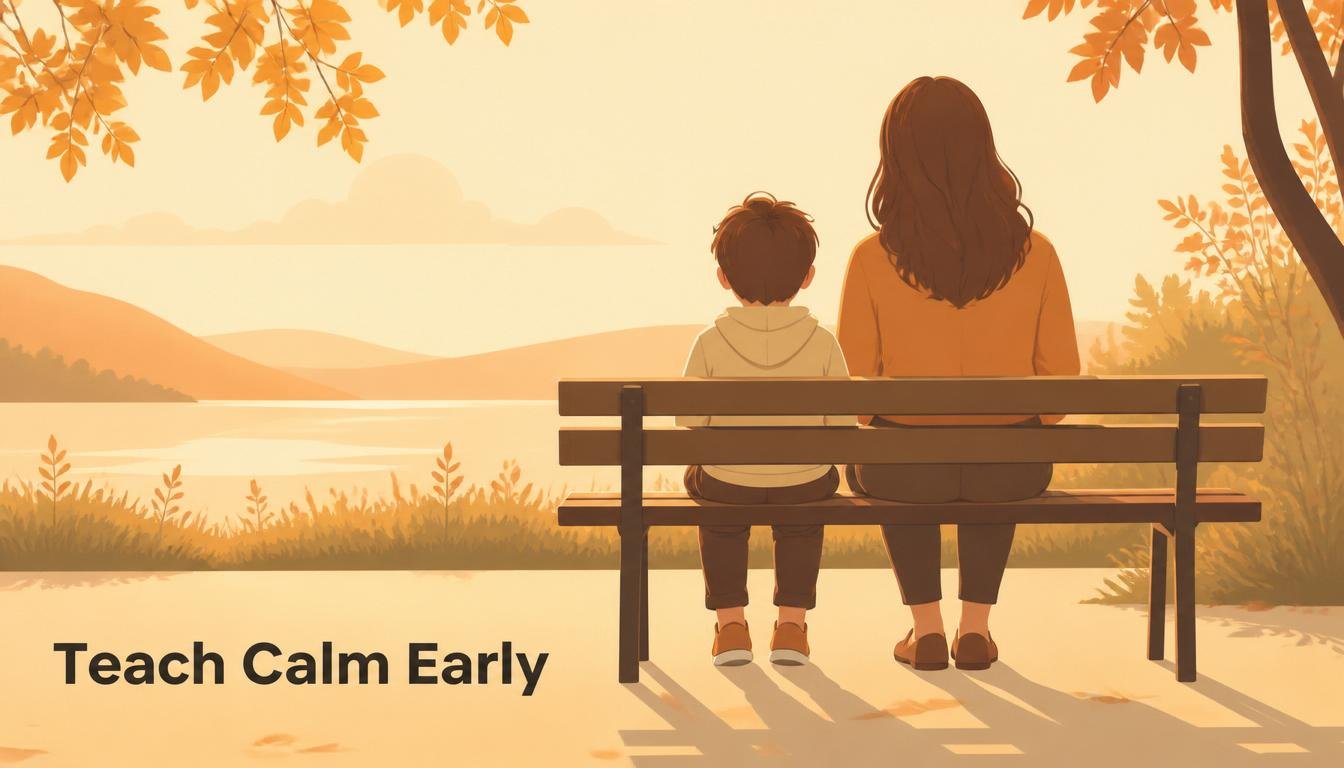
Model the behaviour you want to teach. Children learn more from what they see than from what they are told. When you handle a frustrating moment calmly, name your own feelings out loud, and show how to take a breath before responding, you are giving them a live demonstration of exactly what emotional strength looks like.
Keep expectations realistic. Building these skills takes time, even for adults. Praise the effort when a child tries to manage a feeling, even if the outcome is not perfect. The practice matters more than the result at this stage.
7. How to Start Building Emotional Strength Today
You do not need to overhaul your life to start making progress. One small shift, done regularly, is enough to begin.
Pick one strategy from this article and use it today. The name-and-pause approach is a good first step because it fits into any situation without preparation. The next time you feel a strong emotion rising, name it silently and pause for ten seconds before you speak or act.
After a week, add a second habit. A three-minute mindfulness practice in the morning. A quick evening reflection before sleep. Small additions, one at a time, build something solid without feeling overwhelming.
Be patient with yourself on the hard days. Progress in managing your feelings is rarely a straight line. You will have moments where the old reactions come back. That is not failure. That is just part of the process. What matters is that you keep returning to the practice.
Conclusion
Your feelings are not the problem. It is the relationship you have with them that shapes your mindset, your decisions, and how you show up for others. Building emotional strength is one of the most valuable things you can do for every area of your life.
Start with one habit. Name your feelings. Pause before reacting. Add a few minutes of mindfulness. These small steps, repeated daily, build something that becomes genuinely solid over time.
You are not trying to become emotionless. You are trying to become someone whose feelings work for you, not against you. That is possible. And it starts today.
This article is for general information only. If your emotions feel regularly out of control or are affecting your daily life, please speak with a licensed mental health professional for proper support.
Related Articles
- Natural Stress Relief Methods to Calm Your Thoughts
- Simple Mindfulness Practices to Reduce Overthinking
- Boost Creative Thinking Power to Solve Complex Challenges
Frequently Asked Questions
Emotional regulation is the ability to notice, understand, and manage your own feelings in healthy ways. It means choosing how to respond rather than simply reacting.
Teach it by naming feelings out loud, modelling calm responses in your own behaviour, and praising effort when a child or person tries to manage a feeling, even if not perfectly. Consistency and patience matter more than perfection.
It is trained support that helps people identify patterns in their emotional reactions and develop healthier ways to cope. Common approaches include DBT and CBT, both of which are well-researched and widely used.
Start by naming your feelings when they arise, pausing before reacting, and practising a few minutes of mindfulness daily. These habits, done regularly over weeks and months, build real and lasting emotional strength.
Stay calm. Name what you observe without judging. Give them space to feel without pressure to fix it right away. Showing calm in your own responses is one of the most powerful things you can do for them.






- Be Respectful
- Stay Relevant
- Stay Positive
- True Feedback
- Encourage Discussion
- Avoid Spamming
- No Fake News
- Don't Copy-Paste
- No Personal Attacks
- Be Respectful
- Stay Relevant
- Stay Positive
- True Feedback
- Encourage Discussion
- Avoid Spamming
- No Fake News
- Don't Copy-Paste
- No Personal Attacks
