Simple Mindfulness Practices to Reduce Overthinking
Published: 22 Jun 2026
Introduction
You said one wrong word in a meeting. Now it is 11 p.m., and you are still thinking about it. Your body is in bed, but your mind is stuck on replay. This is overthinking, and almost everyone knows this feeling well.
Mindfulness practices offer a real way out of this loop. They are not hard. They do not take hours. They simply teach your mind to come back to now, instead of getting lost in the past or the future.
In this guide, you will learn what mindfulness is, why it works, and easy steps you can use today. No yoga mat needed. No silent retreat. Just simple tools you can use right where you are.

1. Why Your Mind Keeps Looping the Same Thoughts
Your brain likes to solve things. When a problem feels unsolved, it keeps poking at it. This is why one small worry can loop in your head all day. Your brain thinks it is helping. But most of the time, it is just spinning in place.
Overthinking feels like work. It feels like you are doing something. But it rarely fixes the problem. It just makes you feel more tired and more stuck. The mind goes around and around, but it does not move forward.
This often happens because your mind is stuck in the past or the future. It is not in the now. It is replaying old events or guessing at things that have not happened yet. The one place it rarely visits is the only place where you can actually act: right now, this moment.
This is exactly the gap that mindfulness fills. It is a way to bring your mind back to now, again and again, until that becomes easier and more natural over time.
Think of it like training a small puppy. The puppy will wander. That is just what puppies do. Your job is not to get angry. Your job is simply to call it back, gently, every single time. Your mind works the same way.
2. What Mindfulness Really Means
Mindfulness is simple at its core. It just means paying full attention to what is happening right now, without judging it as good or bad. That is all. No special skill is needed to start.
Most mindfulness practices are built on this one idea. Notice what is here. The sound of rain. The feel of your feet on the floor. The taste of your food. When your mind drifts off, you gently bring it back. No guilt. No fight. Just a soft return.
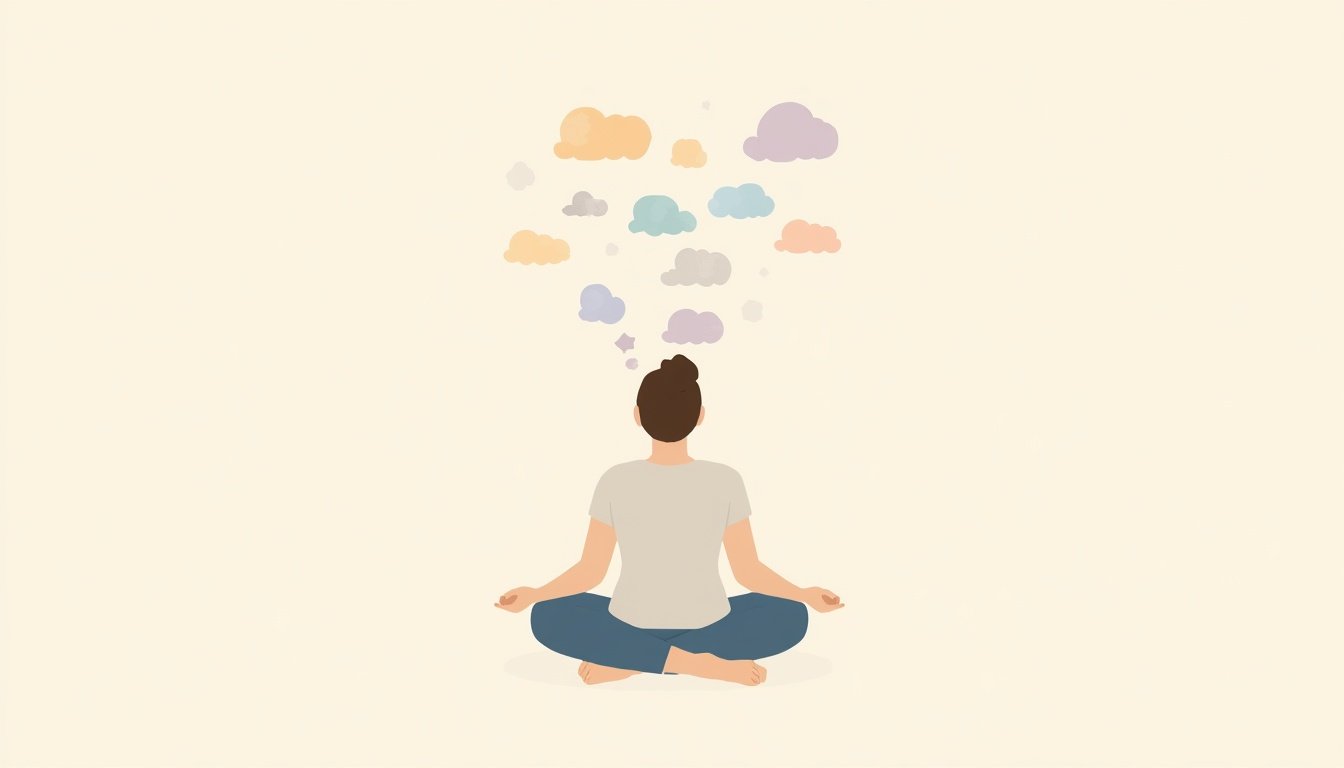
People often think mindfulness means having an empty mind. That is not true. Your mind will still have thoughts. The goal is not to stop thoughts. The goal is to stop chasing every single one of them. You can let a thought pass by, like a car on a road, without jumping in and driving away with it.
Over time, mindfulness practices train your brain to notice thoughts faster, without getting pulled in so deeply. That small gap, between a thought and your reaction to it, is where calm begins to grow.
3. Easy Exercises You Can Try Today
You do not need a quiet room or a lot of time to start. These mindfulness exercises fit into a normal, busy day.
Try the naming game. Stop for a moment. Quietly name three sounds you can hear right now, even small ones like a fan or birds outside. Then name two things you can see that you had not noticed before. This simple step pulls your mind out of its loop and into the room you are actually in.
Try mindful walking, one of the easiest mindfulness exercises for people who feel restless sitting still. As you walk, feel your feet touch the ground. Notice the air on your skin. Notice the sounds around you. You do not need to walk slowly or look strange. You just need to notice, instead of zoning out on autopilot.
Try the one breath reset. Take one slow, deep breath. Feel it fill your chest. Feel it leave your body. Just one breath, done with full attention, can shift your state in seconds. These small mindfulness exercises add up fast when you use them often.
4. How Mindfulness Meditation Works
Mindfulness meditation is one of the most studied mindfulness meditation techniques out there, and for good reason. It is simple, it works, and almost anyone can learn it.
Here is a basic version of mindfulness meditation techniques you can try right now. Sit somewhere comfy. Close your eyes if that feels okay. Focus on your breath. Just feel it go in. Feel it go out. When your mind wanders, and it will, just notice that and bring it back to your breath. That is the whole practice.
You may wander fifty times in five minutes. That is normal. That is not failing. Each time you notice and return, that is the actual exercise. It is like a small rep for your brain, building the muscle of attention one return at a time.
Start with just three minutes a day. That is enough to begin feeling a small shift. Many mindfulness meditation techniques work this way: small and steady beats long and rare. The goal is not a perfect session. The goal is simply to show up again tomorrow.

5. Using Mindfulness to Grow as a Person
Calm is great. But mindfulness practices for self-improvement go beyond just feeling calm. They help you grow in ways that touch your whole life.
When you slow down and notice your thoughts, you start to see your own patterns. Maybe you always think the worst before a big task. Maybe you judge yourself hard after small slips. These mindfulness practices for self-improvement work like a mirror. They show you things you could not see while running on autopilot.
Once you see a pattern clearly, you gain a choice. You can keep doing the same thing. Or you can try something new. Without that pause, you just react the same way, again and again, with no real choice at all.
Used this way, mindfulness practices for self-improvement become more than a calm-down trick. They become a tool for understanding yourself, one quiet moment at a time.
6. Making It Part of Your Day
Reading about mindfulness will not change much. Using it will. The key is making it small enough that you actually do it, even on a busy day.
Pick one moment in your day that already happens, like brushing your teeth or waiting for your tea to brew. Use that moment to practice. You do not need a new block of time. You just need to use a moment you already have.
Keep it short at first. One minute is fine. Three minutes is great. You can grow it later. What matters most right now is just showing up, even briefly, every single day.
Be kind to yourself if you miss a day. This is not a test you can fail. It is a habit you are slowly building, one small moment at a time, and every return to it counts. Some weeks will feel easy. Other weeks, you might forget for three days straight. Both are completely normal, and neither one means you have failed at this.

Conclusion
Overthinking can feel like it has no off switch. But it does. Mindfulness practices give you a simple way to step out of the loop and back into the moment you are actually living in.
You do not need hours. You do not need a perfect setup. You just need one small moment, used with full attention. Start there. Build slowly. Let it grow on its own time.
Pick one idea from this guide. Try it today, right now if you can. Then try it again tomorrow. That is how a calmer mind gets built.
Related Articles
- How to Develop a Better Mindset and Change Your Life
- Simple Anxiety Management Techniques Everyone Should Know
- Natural Stress Relief Methods to Calm Your Thoughts
Frequently Asked Questions
Pick small moments you already have, like washing dishes or walking to your car. Use that time to notice your senses fully. Small daily moments work better than waiting for a big block of free time.
Almost anyone can benefit, especially people who overthink, feel stressed often, or struggle to focus. It also helps people who simply want to feel calmer and more present in daily life.
It works by training your brain to notice when it wanders and gently bring it back to the present, often by focusing on the breath. Each return builds your skill of attention, like a small mental rep.
Three common ones are mindful breathing, mindful walking, and a body scan, where you slowly notice feelings in each part of your body. All three pull your focus into the present moment.
Simple activities include mindful eating, where you slow down and truly taste your food, mindful listening to music with full focus, and short breathing breaks between tasks during your day.






- Be Respectful
- Stay Relevant
- Stay Positive
- True Feedback
- Encourage Discussion
- Avoid Spamming
- No Fake News
- Don't Copy-Paste
- No Personal Attacks
- Be Respectful
- Stay Relevant
- Stay Positive
- True Feedback
- Encourage Discussion
- Avoid Spamming
- No Fake News
- Don't Copy-Paste
- No Personal Attacks
