Simple Physical Wellness Lifestyle for Optimal Health
Published: 4 Jul 2026
Introduction
Your body sends you messages all day long. Tiredness that will not go away. A constant tight feeling in your shoulders. Trouble sleeping even when you are exhausted. These are not random. They are signals about how well you are caring for your physical self.
Physical wellness is the part of your overall health that focuses on your body. How you move it. How you fuel it. How well you let it rest. It is one of the most foundational parts of wellbeing because everything else in life is harder when your body is not working well.
This guide covers what this part of health really means. How it fits among the broader dimensions of wellness. How to set goals that actually stick. How to track your progress. And practical ways to build this into a normal busy life without feeling overwhelmed.

1. What This Part of Your Health Actually Covers
Caring for your physical self covers four main areas. Movement. Nutrition. Sleep. And avoiding harmful habits like smoking or excessive drinking. Together, these form the base your body needs to function well day to day.
This is not the same as being athletic or having a certain body shape. A person can train hard yet still neglect sleep or eat poorly. They might look fit on the outside while their body struggles internally from poor recovery. True bodily wellbeing means all four areas are getting reasonable attention rather than one area being perfect while the others are ignored.
It also includes preventive care. Regular checkups. Listening when something feels off rather than ignoring it. Getting enough water during the day. These small habits often get overlooked, but they form a real part of taking care of your body properly.
2. Where It Fits Among the Eight Dimensions of Wellness
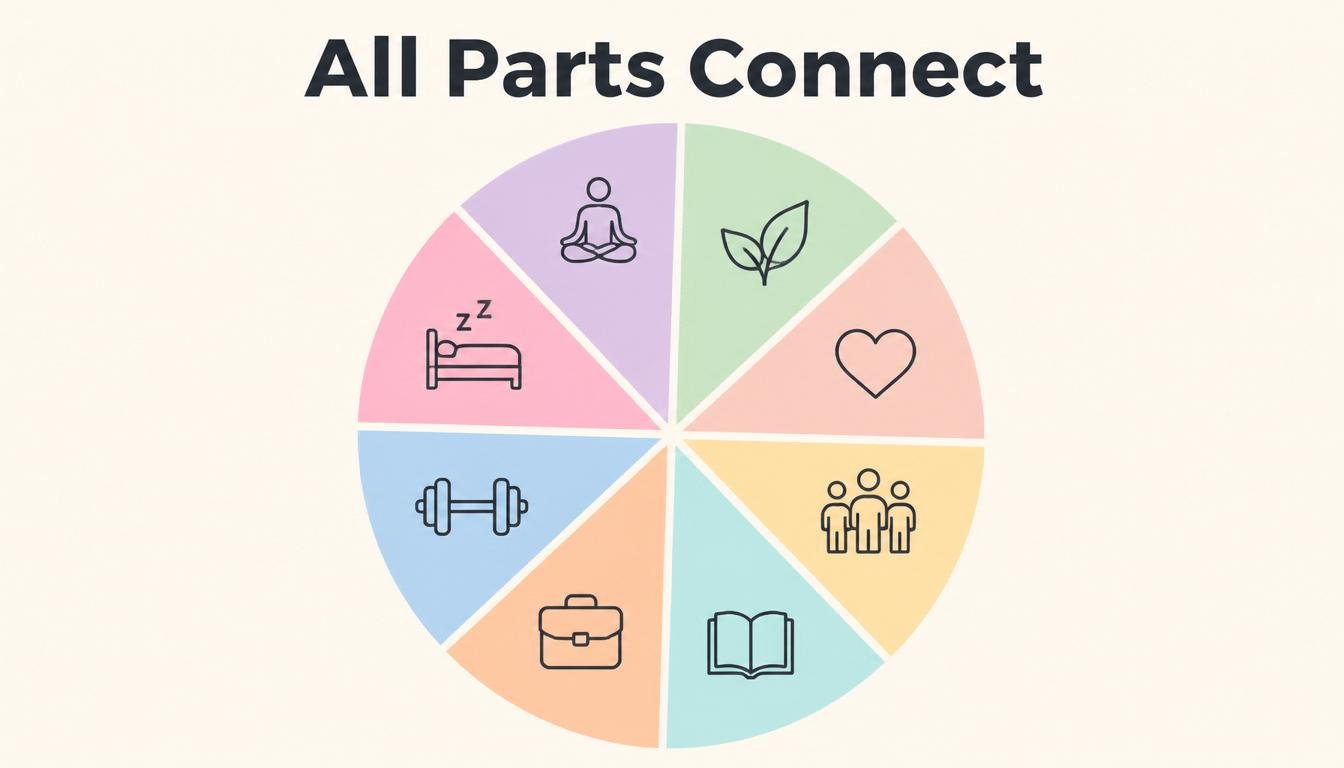
Most wellness models recognise that health is not one single thing. They break it into separate dimensions. Looking at 8 dimensions of wellness examples helps you see how the physical side connects to everything else.
Common 8 dimensions of wellness examples include physical, emotional, intellectual, social, occupational, environmental, financial, and spiritual wellness. Each one influences the others. Poor sleep, which is part of the physical dimension, makes it harder to manage emotions or think clearly at work.
Understanding examples of the 8 dimensions of wellness shows why focusing only on exercise rarely produces lasting change. A person who trains hard but is financially stressed or socially isolated will still struggle to feel genuinely well. The body needs the rest of life to be relatively steady, too.
3. Setting a Goal That Actually Sticks
A vague wish to be healthier rarely produces change. A clear physical wellness goal does. The difference between drifting and progressing usually comes down to specificity.
A good physical wellness goal has a number and a timeframe attached. Not just walk more, but walk 20 minutes daily for the next 30 days. Not just sleep better, but be in bed by 11 pm five nights this week. The specificity makes the goal trackable and gives your brain something concrete to aim for.
Pick just one physical wellness goal at a time rather than trying to overhaul everything at once. Master one habit. Make it automatic. Then add the next. This approach feels slower at first. But it produces results that actually stick rather than burning out after two weeks of trying to fix everything together.
4. Testing and Tracking Your Fitness Level
Knowing where you actually stand makes progress visible. A physical fitness test gives you that starting point rather than guessing how fit you really are.
A simple physical fitness test does not need a gym or special equipment. Time how long you can hold a plank. Count how many push-ups you can do with good form. Time how long it takes to walk or jog a kilometre. These basic checks give you a clear baseline.
Repeat your physical fitness test every six to eight weeks. The numbers themselves matter less than the direction they move in. A small improvement in any of these measures shows your efforts are working even when changes are not yet visible in the mirror.

5. Building This Into Your Daily Life
Big lifestyle changes rarely survive a busy week. Small ones woven into your existing routine usually do. The goal is to make caring for your body feel normal rather than like an extra task added on top of everything else.
Attach new habits to things you already do. Stretch while the kettle boils. Walk while taking phone calls. Drink a glass of water right after brushing your teeth. Take the stairs instead of the lift when you can manage it easily. These small additions slip into a day without needing extra willpower or extra time.
Protect your sleep above almost everything else. A well-rested body recovers faster, manages cravings better, and handles stress more easily. No amount of exercise or careful eating fully compensates for chronic lack of sleep.
6. Other Words Used for This Same Idea
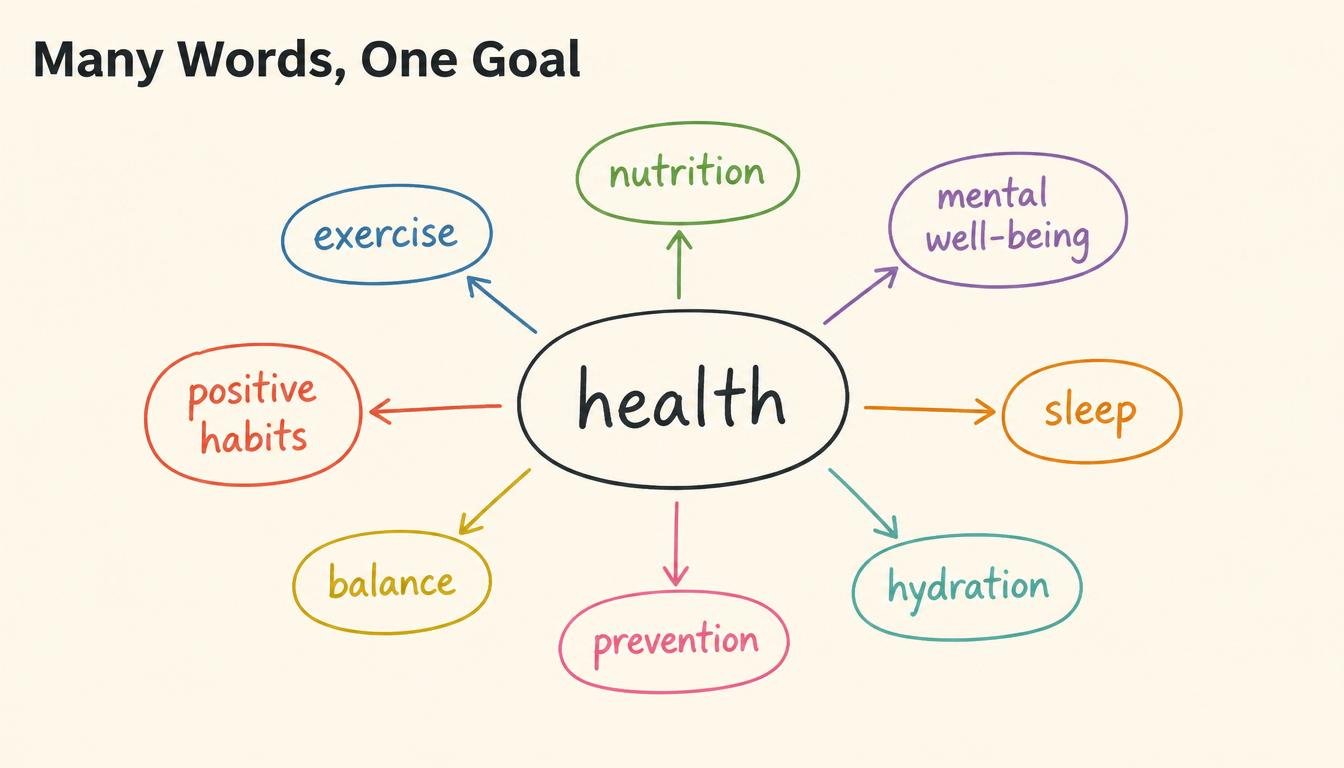
You will see this concept described with several different terms across health resources, and it helps to know they largely point to the same thing.
One common physical well-being definition describes it as the body functioning at its best through good nutrition, regular movement, adequate sleep, and the absence of preventable illness. A simpler physical well-being definition is simply how well your body is able to handle daily demands without strain. This focuses less on appearance and more on how your body actually performs day to day. Either physical wellbeing definition leads to the same practical conclusion. Care for the body consistently, and it performs better.
A useful physical fitness synonym you will come across is bodily health. Another physical fitness synonym is somatic health, which is used more often in clinical or academic settings. A third physical fitness synonym sometimes used in casual conversation is just being healthy. Whichever word is used, the underlying idea is the same. Your body is working well, supported by daily habits that care for it.
Conclusion
Many people treat fitness as something separate from real life, a project to start on Monday and abandon by Friday. Caring for your body is not a separate project sitting outside the rest of your life. It is the foundation on which everything else stands. Energy, mood, focus, and resilience all flow from how well your body is being looked after.
Start with one small habit. Track one simple measure. Build from there. The body responds reliably to consistent care, even when that care is modest and small.
Your body carries you through every single day. A little consistent care goes a long way.
Related Articles
- Powerful Mental and Physical Yoga Benefits Explained
- Simple Nutrition Advice That Anyone Can Follow Today
- Effective Workout Routines That Anyone Can Start Today
Frequently Asked Questions
Physical wellness is the part of overall health focused on the body. It includes regular movement, good nutrition, adequate sleep, and avoiding harmful habits that damage long-term health.
It means actively taking care of your body through daily choices rather than simply being free of illness. It is a positive ongoing practice rather than just the absence of disease.
Regular exercise, balanced eating, sufficient sleep, proper hydration, preventive medical checkups, and avoiding smoking or excessive alcohol all fall under this part of health.
The body and mind are closely linked. Poor sleep or lack of movement often worsens mood and stress levels, while regular activity and good nutrition tend to support clearer thinking and a more stable mood.
Start with one small habit, such as a daily walk or an earlier bedtime. Track a simple measure of progress and build new habits gradually rather than trying to change everything at once.






- Be Respectful
- Stay Relevant
- Stay Positive
- True Feedback
- Encourage Discussion
- Avoid Spamming
- No Fake News
- Don't Copy-Paste
- No Personal Attacks
- Be Respectful
- Stay Relevant
- Stay Positive
- True Feedback
- Encourage Discussion
- Avoid Spamming
- No Fake News
- Don't Copy-Paste
- No Personal Attacks
