Simple Nutrition Advice That Anyone Can Follow Today
Published: 9 Jul 2026
Introduction
There is more nutrition advice available online today than at any point in history. And somehow people are more confused about food than ever before. Every week a new superfood appears. Every month a new diet promises to fix everything. The noise never stops.
The truth is that good eating guidance is not complicated. It does not change every season. And it does not require you to give up every food you enjoy. A few consistent principles applied over time produce better results than any extreme diet ever will.
This guide covers what your body actually needs each day, how to eat for specific goals like building muscle or running long distances, and how food repairs the body from the inside. Each section is clear, practical, and easy to apply starting today.
1. What Good Nutrition Actually Looks Like
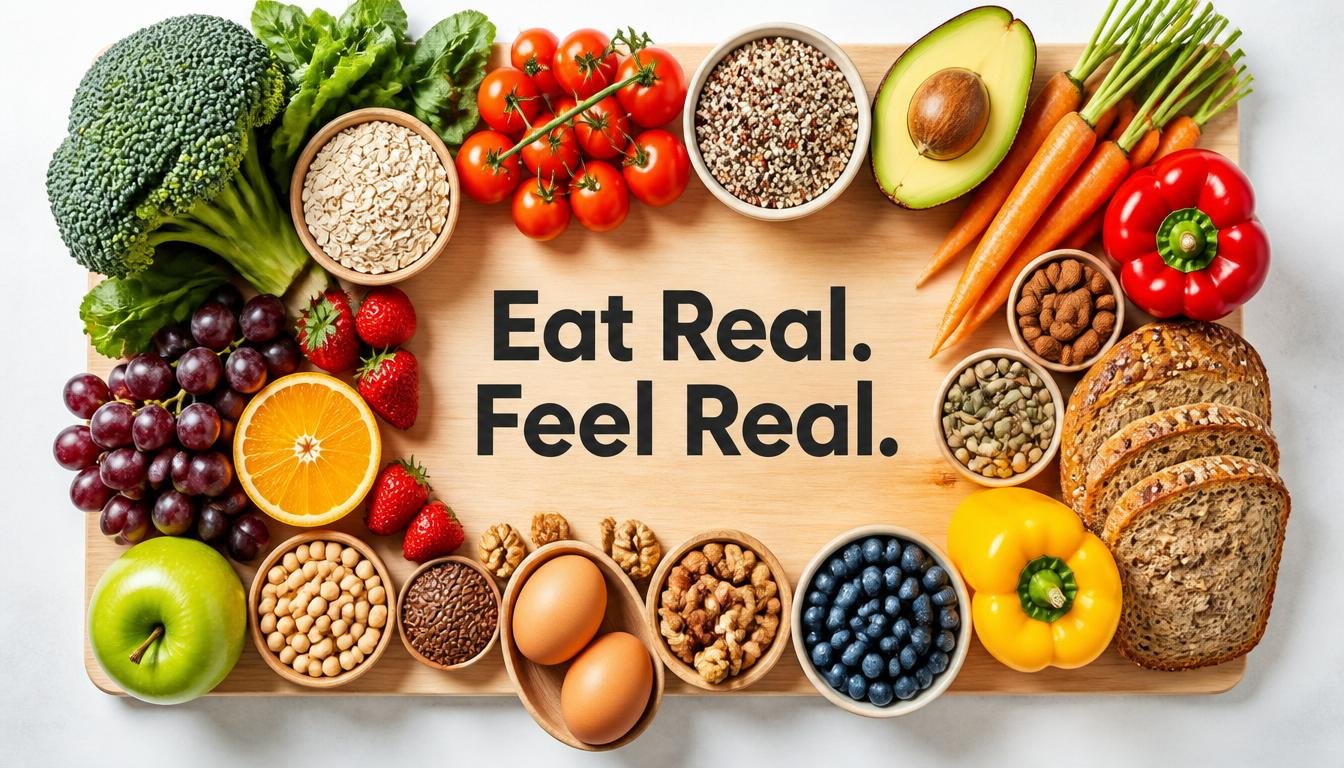
Good nutrition is not a strict list of allowed and banned foods. It is a pattern of eating that gives your body what it needs most of the time while leaving room for real life. A useful way to think about it is the 80-20 principle. Eat well 80 percent of the time and the other 20 percent will not undo your progress.
A plate built around vegetables, lean protein, whole grains, and healthy fats covers most of what the body needs. The more varied your food choices within these categories, the more nutrients you naturally take in without needing to track every gram.
The simplest nutrition advice anyone can follow is this. Eat mostly whole foods. Drink enough water. Do not skip meals. Be consistent. These four things alone produce better long term results than any complicated eating system.
2. What Your Body Needs Every Single Day
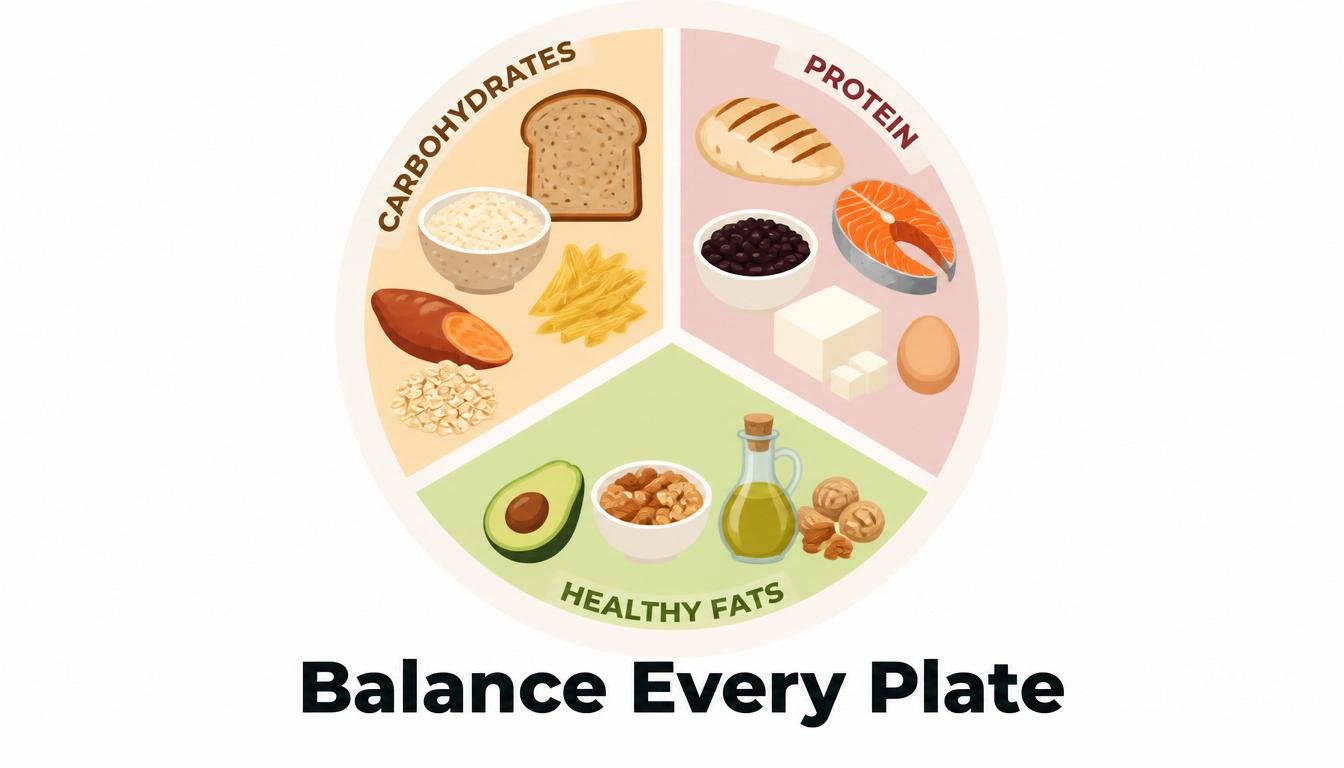
Your body runs on three main nutrients. Carbohydrates provide energy. Protein builds and repairs tissue. Fat supports hormone production, brain function, and the absorption of fat-soluble vitamins. All three are essential, and cutting any one of them out entirely creates problems over time.
Most adults need around 0.8 grams of protein per kilogram of body weight as a baseline. Those who exercise regularly need more, typically between 1.2 and 2 grams per kilogram. Carbohydrates should make up around 45 to 65 percent of total calories for most people. Healthy fats should make up around 20 to 35 percent.
Vitamins and minerals are just as important even though they are needed in much smaller amounts. Iron, calcium, vitamin D, magnesium, and B vitamins are among the most common deficiencies in adults who eat poorly. A varied diet rich in whole foods covers most of these without needing supplements.
3. Eating to Build Muscle
A nutrition plan to gain muscle centres on two things. Enough protein to support muscle repair and enough total calories to fuel growth. You cannot build muscle in a significant calorie deficit. The body needs a small surplus to have the raw material required to add lean tissue.
A good nutrition plan to gain muscle targets around 1.6 to 2.2 grams of protein per kilogram of body weight per day. Spreading this across three to five meals works better than trying to eat it all in one sitting. The body can only absorb and use a certain amount of protein per meal for muscle-building purposes.
Carbohydrates are equally important in a nutrition plan to gain muscle. They fuel training sessions and replenish glycogen stores in the muscles after exercise. Cutting carbs too low while trying to build muscle makes workouts harder and slows progress significantly.
4. How Athletes Fuel Their Performance
A nutrition plan that athletes follow differs from general eating guidance mainly in volume and timing. Athletes burn significantly more energy and need to replace it consistently to maintain performance and support recovery.
The nutrition plan athletes rely on most heavily involves eating enough carbohydrates before training to have fuel available and enough protein after training to begin the repair process. A meal or snack containing both within two hours of a hard session makes a measurable difference to how quickly the body recovers.
The most underrated part of any nutrition plan athletes follow is hydration. Even mild dehydration reduces power output, slows reaction time, and increases the perception of effort. Athletes in hot or humid conditions need significantly more fluid than the average daily recommendation.

5. Eating for Marathon Training
A nutrition plan that marathon runners follow is built around carbohydrate availability. Running long distances burns through glycogen stores rapidly. Keeping those stores full through regular carbohydrate intake is the single most important dietary priority for endurance performance.
The nutrition plan for marathon training demands an increase in the weeks before a race. Carbohydrate loading in the final two to three days before a marathon tops up glycogen stores to their maximum capacity. This means eating more pasta, rice, bread, and potatoes while temporarily reducing fat and fibre to avoid digestive discomfort on race day.
During a long run, most runners need to take in carbohydrates every 45 to 60 minutes to maintain energy levels. A nutrition plan marathon runners rely on during races typically includes gels, chews, bananas, or sports drinks at regular intervals. Practising this in training is essential so the body is used to it on race day.
6. Teaching Nutrition to Young People
A good nutrition lesson plan for young people focuses on building awareness rather than imposing rules. Children and teenagers who understand why food matters tend to make better choices than those who are simply told what to eat and what to avoid.
An effective nutrition lesson plan uses real food, simple language, and hands-on activities. Cooking a simple meal together. Reading a food label. Comparing the sugar content of two drinks. These practical activities make abstract concepts feel relevant and real.
The best nutrition lesson plan avoids labelling foods as good or bad. This kind of language creates guilt and an unhealthy relationship with eating. Instead, it teaches that all foods fit into a balanced approach and that variety and consistency matter more than perfection.
7. How Food Repairs and Rebuilds Your Body
The body is constantly repairing itself. Muscle fibres torn during exercise rebuild stronger. Skin cells renew. The lining of the gut replaces itself every few days. All of this repair work depends on nutrients supplied through food.
Protein provides the amino acids needed to rebuild muscle and repair tissue. Vitamin C supports the production of collagen, which holds connective tissue together. Zinc plays a key role in wound healing and immune function. Iron carries oxygen in the blood and supports energy production at a cellular level.
Eating a varied diet rich in colourful vegetables, quality protein sources, and whole grains gives the body everything it needs to repair efficiently. No single superfood does this. It is the overall pattern of what you eat consistently that determines how well the body rebuilds itself day after day.

Conclusion
Good nutrition is not about being perfect. It is about being consistent with a few sensible habits that your body can rely on over time. Eat mostly whole foods. Get enough protein. Stay hydrated. Do not skip meals. Vary your choices across food groups.
Whether your goal is general health, building muscle, running further, or simply having more energy during the day, the foundation is always the same. Feed your body what it actually needs, and it will show you what it is capable of.
Start with one change this week. Add a vegetable to one meal. Drink one extra glass of water each morning. Small consistent steps add up to something genuinely significant over time.
Related Articles
- Sustainable Weight Loss Tips for Long Term Success
- Simple Physical Wellness Lifestyle for Optimal Health
- Smart Healthy Eating Without Giving Up Favorite Foods
Frequently Asked Questions
Daily needs vary based on age, weight, activity level, and goals. Most adults need between 1600 and 2500 calories per day with around 0.8 to 2 grams of protein per kilogram of body weight depending on how active they are.
Registered dietitians and licensed nutritionists are qualified to give personalised nutrition advice in most countries. General food guidance for healthy adults can come from many sources but medical nutrition therapy for conditions like diabetes or kidney disease should only come from a qualified professional.
Food directly influences energy levels, immune function, hormone balance, brain health, and the risk of chronic disease. Poor eating over time contributes to heart disease, type 2 diabetes, and obesity. Good eating supports every system in the body.
The body needs macronutrients like carbohydrates, protein, and fat in significant daily amounts as well as micronutrients like vitamins and minerals in smaller doses. A varied diet built around whole foods covers most daily requirements without needing to count every nutrient.
Protein provides amino acids for tissue repair. Vitamin C supports collagen production and wound healing. Zinc plays a key role in immune function and recovery. Iron carries oxygen to cells that need it for repair and energy production.






- Be Respectful
- Stay Relevant
- Stay Positive
- True Feedback
- Encourage Discussion
- Avoid Spamming
- No Fake News
- Don't Copy-Paste
- No Personal Attacks
- Be Respectful
- Stay Relevant
- Stay Positive
- True Feedback
- Encourage Discussion
- Avoid Spamming
- No Fake News
- Don't Copy-Paste
- No Personal Attacks
