Smart Healthy Eating Without Giving Up Favorite Foods
Published: 1 Jul 2026
Introduction
Most people think eating well means giving up everything they love. No more pizza. No more rice. No more dessert. Ever. This all-or-nothing thinking is exactly why most diets fail within two weeks.
Healthy eating is not about perfection. It is about balance. You can eat well, feel great, and still enjoy your favourite foods. The key is understanding a few simple principles about how food affects your body, and then making small, smart swaps that add up over time.
This guide covers what a nutritious diet really looks like, how food choices affect weight, heart health, blood pressure, and energy, plus practical dinner ideas and honest timelines for results. No extreme rules. No banned foods. Just clear, useful information you can start using today.
1. What Eating Well Actually Looks Like
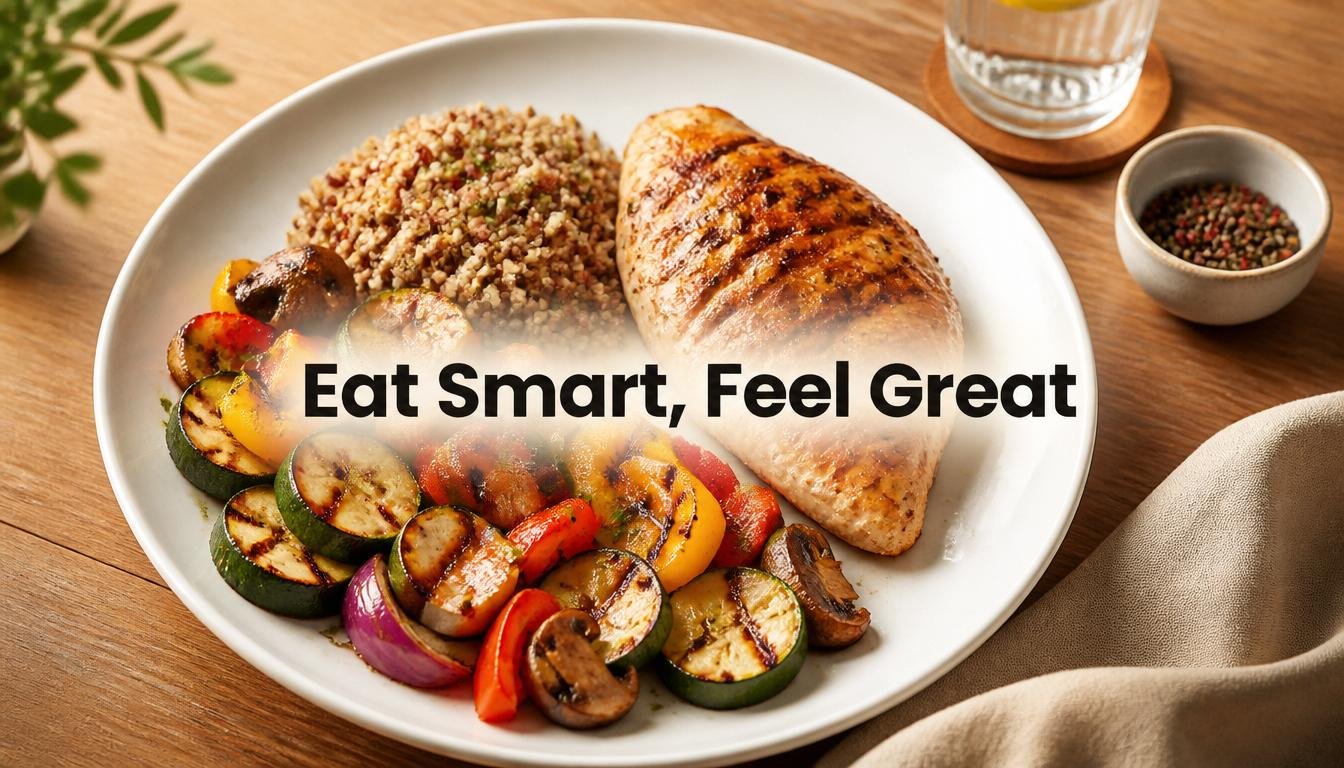
A good diet is not complicated. It is mostly whole foods vegetables, fruit, lean proteins, whole grains, and healthy fats, eaten in amounts that match your energy needs. The closer food is to its natural state, the better it tends to be for your body.
This does not mean never eating processed food. It means that most of what you eat most of the time is real food. An 80-20 approach works well for most people. Eat nutritiously 80 percent of the time. Enjoy whatever you like for the other 20. This is sustainable in a way that strict diets rarely are.
Portion awareness matters more than cutting out entire food groups. You can eat rice, bread, and pasta and still maintain a great diet. What matters is how much, how often, and what else is on the plate alongside them.
2. Eating Smarter to Manage Your Weight
Healthy eating to lose weight does not require counting every calorie. It requires understanding which foods fill you up and fuel you well, and which ones leave you hungry again an hour later.
Protein and fibre are your best allies for healthy eating to lose weight. Protein keeps you full longer and preserves muscle while the body loses fat. Fibre slows digestion and prevents blood sugar spikes that trigger cravings. Meals built around these two nutrients naturally reduce how much you eat without making you feel deprived.
One of the simplest approaches to healthy eating to lose weight is the plate method. Fill half your plate with vegetables, a quarter with lean protein, and a quarter with whole grains. Add a small amount of healthy fat like olive oil or avocado. This formula works across almost every cuisine without making food feel like medicine.
3. Food Choices That Protect Your Heart
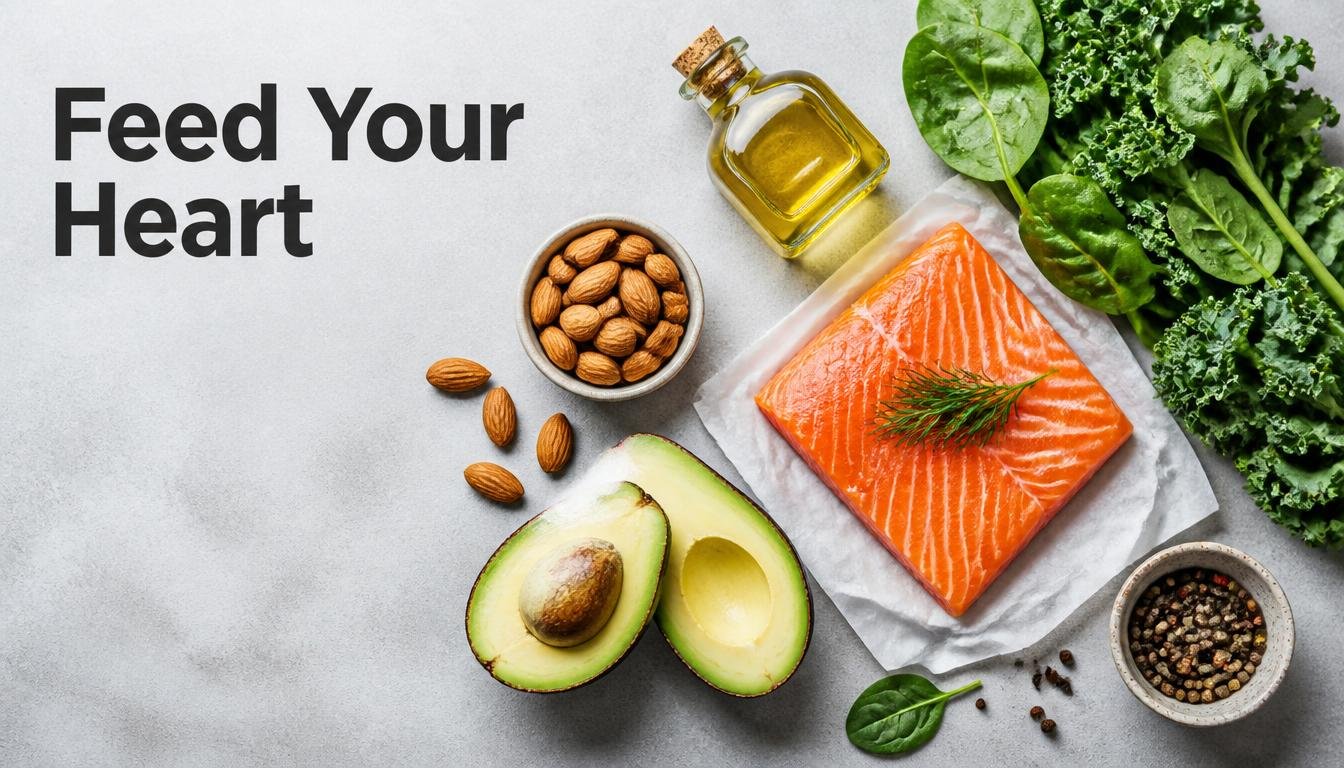
Heart healthy eating is one of the most researched areas in nutrition and the findings are clear. A diet rich in vegetables, fruits, whole grains, oily fish, nuts, and legumes significantly reduces the risk of heart disease.
Reducing saturated fat from processed meats and full-fat dairy is part of heart healthy eating, but it does not mean eliminating fat. Unsaturated fats from olive oil, avocados, and nuts actively support heart health. The type of fat matters more than the total amount.
Salt is another key factor in heart healthy eating. Most people eat far more sodium than they need, largely from processed and packaged foods. Cooking at home more often and flavouring food with herbs, spices, lemon, and garlic instead of salt makes a meaningful difference without sacrificing taste.
4. Eating Well With High Blood Pressure
Healthy eating with high blood pressure centres on reducing sodium and increasing potassium. These two minerals work against each other in the body. High sodium raises blood pressure. High potassium helps lower it.
The DASH diet, which stands for Dietary Approaches to Stop Hypertension, is one of the most effective frameworks for healthy eating with high blood pressure. It emphasises vegetables, fruits, low-fat dairy, whole grains, and lean proteins while limiting red meat, sweets, and added salt. Studies consistently show it lowers blood pressure within a few weeks.
Practical steps for healthy eating with high blood pressure include choosing low-sodium versions of canned and packaged foods, cooking more meals from scratch, eating more bananas, spinach, sweet potatoes, and lentils for their potassium content, and limiting alcohol, which raises blood pressure significantly.
5. Foods That Boost Your Energy All Day
Healthy eating energy comes from stable blood sugar, not from caffeine or sugar spikes. When blood sugar rises fast and crashes hard, energy crashes with it. The afternoon slump most people feel is often a direct result of what they ate for lunch.
Foods that support steady, healthy energy throughout the day include oats, eggs, nuts, seeds, legumes, and complex carbohydrates like sweet potato and brown rice. These release energy slowly, keeping blood sugar stable and focus sharp for hours.
Staying well hydrated is also critical for healthy eating and energy. Even mild dehydration causes fatigue and poor concentration. Most people mistake thirst for hunger and reach for food when a glass of water would do more good.
6. Easy Dinner Ideas That Are Good for You
Healthy eating dinner ideas do not need to be complicated or time-consuming. Some of the most nutritious meals take 20 to 30 minutes to prepare and require only a handful of ingredients.
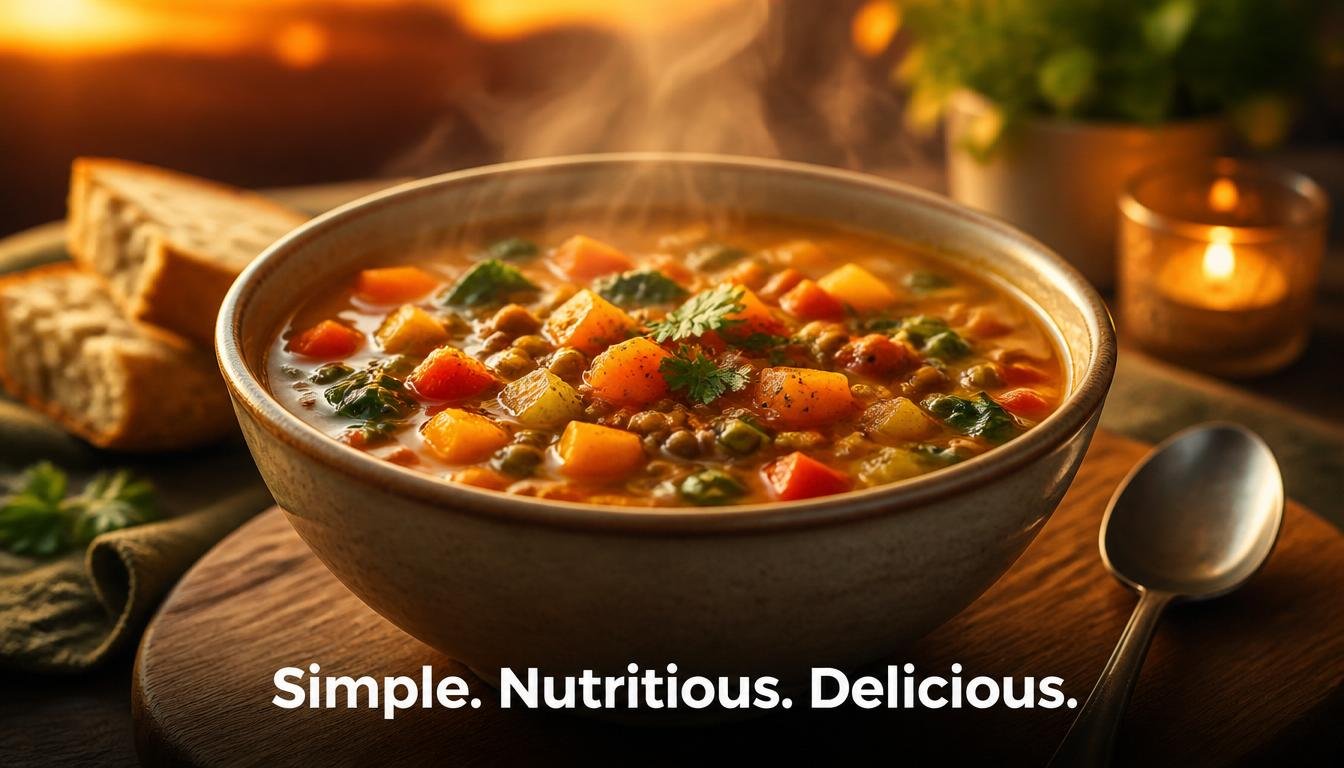
Quick, healthy eating dinner ideas include grilled chicken or fish with roasted vegetables and a small portion of whole grains, lentil soup with whole-grain bread, egg stir-fry with mixed vegetables and brown rice, or a chickpea and spinach curry served with a small portion of rice. Each of these takes under 30 minutes, costs little, and covers your protein, fibre, and vegetable needs in one bowl.
The easiest approach to consistent healthy eating dinner ideas is to keep a small set of go-to meals you know how to make well. Having five or six reliable dinners you rotate through each week removes the daily decision of what to cook and makes slipping into fast food far less tempting.
7. How Long Before You See Real Results
This is the question everyone wants answered honestly. The truth is that different changes happen at different speeds.
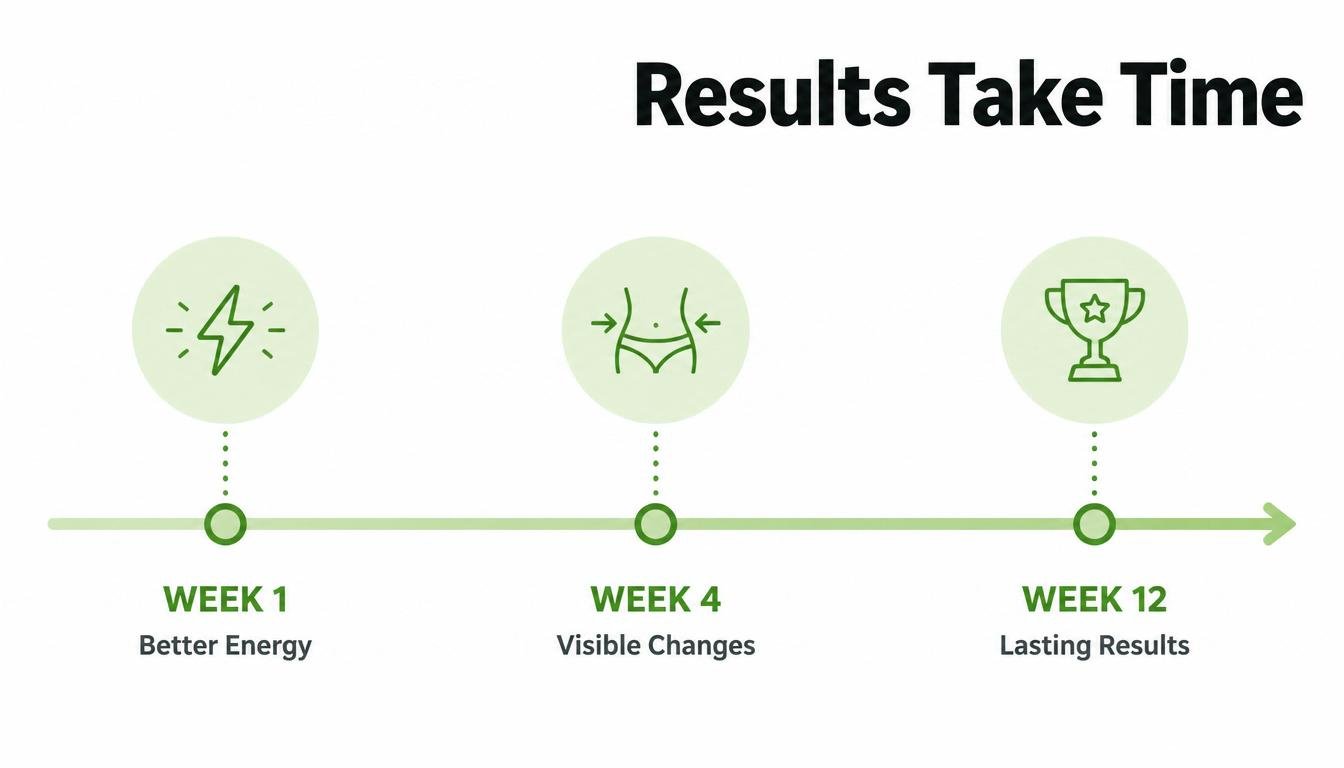
Within the first one to two weeks of eating well, most people notice better sleep, more stable energy, and reduced bloating. These are not dramatic changes but they are real and they happen fast. Blood sugar and digestion respond quickly to better food choices.
Weight changes take longer. A realistic and sustainable rate is 0.5 to 1 kilogram per week. Visible changes in body composition typically appear after four to eight weeks of consistent effort. Blood pressure and cholesterol levels often improve noticeably within four to twelve weeks.
The most important thing to understand is that the internal changes begin immediately, even when the mirror does not yet show them. Your body is responding from day one. Stay consistent and the visible results follow.
Conclusion
You do not have to choose between eating well and enjoying food. The two are not opposites. A nutritious diet built on mostly whole foods, eaten in reasonable amounts, with room for the things you love, is both sustainable and effective.
Start small. Add one more vegetable to your dinner this week. Swap one sugary drink for water. Cook one meal from scratch instead of ordering out. Small shifts, done consistently, produce results that extreme diets never sustain.
Your body responds to every good choice you make, even when you cannot yet see it. Trust the process, enjoy the food, and stay consistent.
Related Articles
- Simple Nutrition Advice That Anyone Can Follow Today
- Sustainable Weight Loss Tips for Long Term Success
- Simple Physical Wellness Lifestyle for Optimal Health
Frequently Asked Questions
Healthy eating means consuming mostly whole, minimally processed foods in amounts that match your energy needs. It includes vegetables, fruits, lean proteins, whole grains, and good fats, without completely excluding the foods you enjoy.
A healthy diet is varied, balanced, and sustainable. It provides all essential nutrients protein, carbohydrates, fats, vitamins, and minerals without over-relying on any one food group or cutting out entire categories of food.
Yes, when done correctly. Focusing on protein, fibre, and whole foods naturally reduces overall calorie intake without strict counting. Sustainable weight loss typically follows after four to eight weeks of consistent better food choices.
Clean eating means choosing foods that are as close to their natural state as possible and minimising heavily processed or artificially modified products. It is less a strict diet and more a general approach to food quality.
Energy and digestion often improve within one to two weeks. Visible body changes typically appear after four to eight weeks. Blood pressure and cholesterol can improve within four to twelve weeks. Internal changes begin from day one, even when the visible signs take longer.






- Be Respectful
- Stay Relevant
- Stay Positive
- True Feedback
- Encourage Discussion
- Avoid Spamming
- No Fake News
- Don't Copy-Paste
- No Personal Attacks
- Be Respectful
- Stay Relevant
- Stay Positive
- True Feedback
- Encourage Discussion
- Avoid Spamming
- No Fake News
- Don't Copy-Paste
- No Personal Attacks
