Simple Way to Track Expenses and Stop Overspending
Published: 16 Jun 2026
Introduction
You probably know roughly how much you earn each month. But do you know, with real precision, how much you spent last Tuesday? Or where exactly 30 percent of your income disappeared to last month? If the answer is no, you are not unusual. But that gap between earning and knowing is costing you more than you realise.
Learning to track expenses is one of the smallest changes you can make that produces one of the largest shifts in how your finances feel. It does not require an accountant or a complicated system. It requires a method that fits your life and the habit of using it.
This article covers everything from basic approaches to specific tools like Excel and QuickBooks, including a dedicated section on groceries, which is where most households leak the most money without noticing. Read it fully, and you will have a complete, practical approach ready to use today.
1. Why Most People Have No Idea Where Their Money Goes
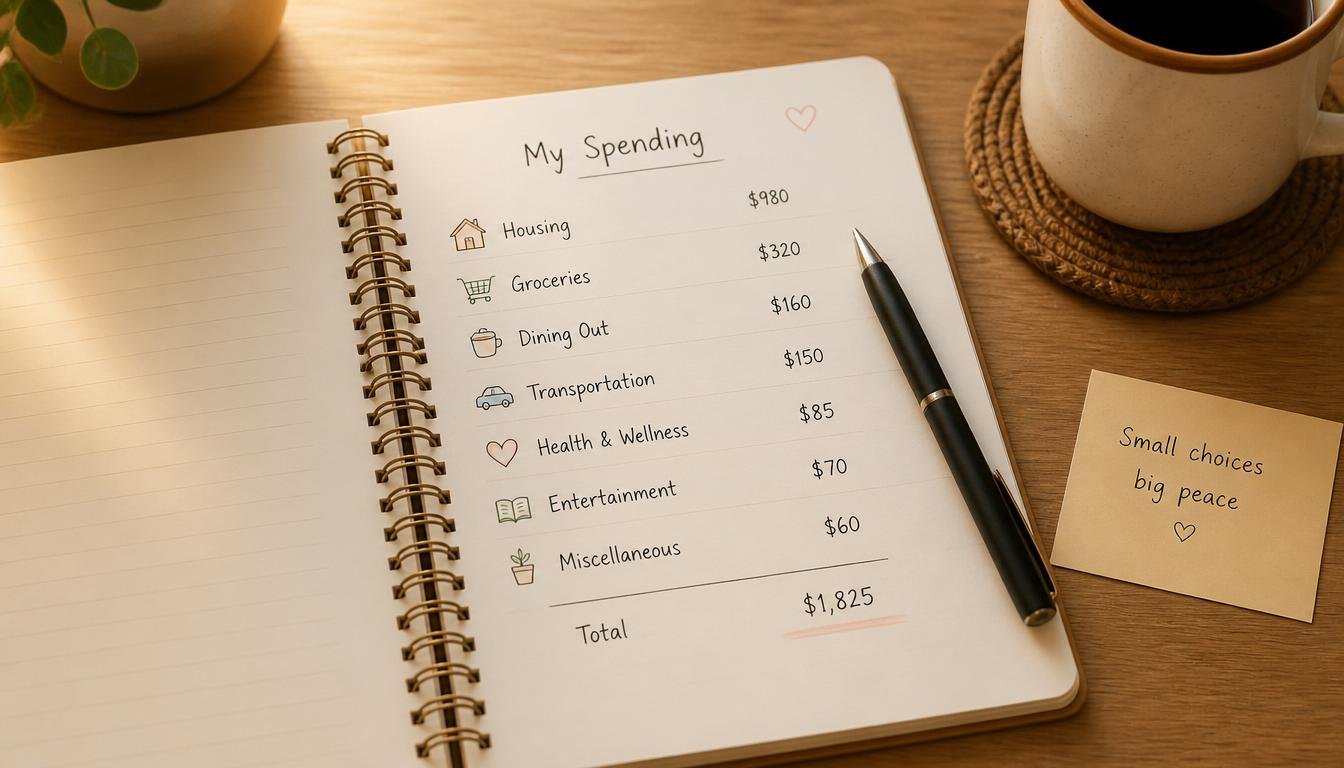
The problem is not that people spend carelessly on purpose. It is that small purchases happen so automatically that they barely register. A coffee here. A delivery order there. A subscription that renews quietly. None of these feels significant in the moment, but together they account for hundreds or even thousands of rupees every single month.
Another reason is that most people only check their bank balance to decide whether they can afford something. If the balance looks okay, they spend. If it looks tight, they hold back. This is reactive money management. It responds to problems rather than preventing them.
The shift from reactive to proactive comes from awareness. When you know exactly what’s left in your account and why, you stop making decisions based on a rough sense of how things feel. You make them based on facts. And facts almost always reveal patterns that surprise people the first time they see them clearly.
You cannot fix a leak you cannot see. Monitoring your outgoings regularly is how you find the leaks and decide which ones are worth fixing.
2. What Expense Tracking Actually Does for You
Keeping a record of what you spend does more than just show you numbers. It changes your relationship with money. When you know you will be writing down a purchase at the end of the day, you naturally pause before making it. That pause is where overspending gets stopped.
When you decide to track expenses consistently, you start to see which categories are genuinely essential and which are just habits you have never questioned. That clarity is valuable. It gives you control without requiring you to cut out everything you enjoy. You simply make more conscious choices about where your money actually goes.
Monitoring your spending also helps you build a realistic budget. Most people who try to budget without first tracking their actual spending end up with a plan that does not match their real life. They underestimate what food costs, forget about annual subscriptions, and leave no room for the irregular expenses that always appear.
Once you have a few months of real spending data, your budget becomes accurate and achievable because it reflects what you actually do, not what you think you do.
3. Simple Methods Anyone Can Start Using Today
There is no single correct method for keeping a record of your spending. The right one is the one you will actually use. Here are the most common approaches and who each one suits best.
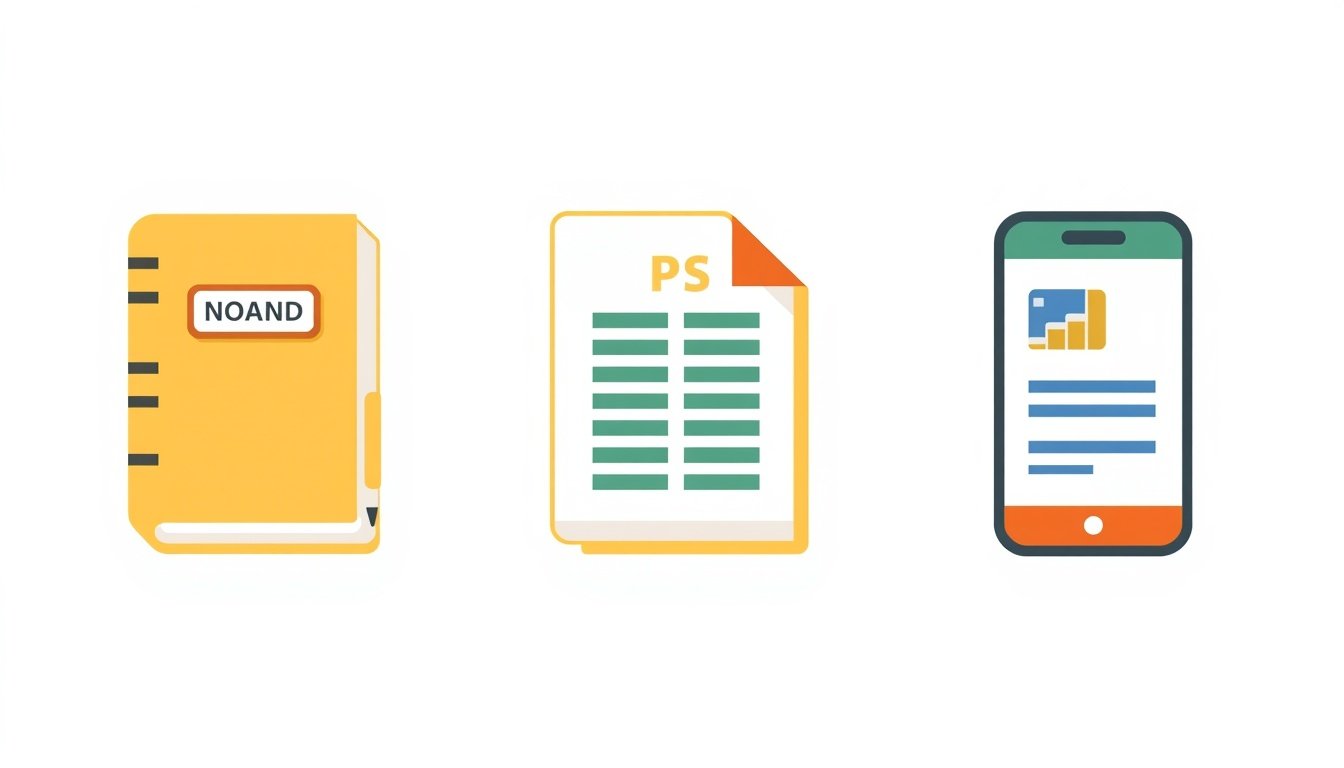
A notebook or paper diary is the simplest possible starting point. Write down every purchase as it happens or at the end of each day. The physical act of writing makes spending feel more real and deliberate. Many people find this method surprisingly effective precisely because it is so simple.
A spreadsheet is the next step up. You can set up categories, add formulas to calculate totals automatically, and see visual summaries of where your money is going each month. This suits people who are comfortable with basic technology and want more visibility into their patterns over time.
Mobile apps like Mint, Money Manager, or similar tools available in your country link to your accounts and categorize purchases automatically. They reduce the manual effort significantly and send alerts when you are approaching a spending limit. For people with busy lives who find manual recording difficult, an app removes most of the friction.
Whichever method you choose, the habit of checking and recording regularly is what makes it work. A system you use three times and abandon helps nobody.
4. How to Use Excel to Monitor Your Spending
One of the most popular and flexible ways to track expenses in Excel is to set up a simple monthly template. You create columns for the date, the category, the description, and the amount. Each row is one purchase. At the bottom, a SUM formula adds everything up automatically. This gives you a running total at any point in the month.
To track expenses in Excel more meaningfully, add a separate tab for your budget. List each category, such as food, transport, entertainment, and utilities, with the amount you plan to spend in each. Then link your actual spending totals from the first tab to this budget tab. You can see at a glance which categories you are overspending in and which have room left.
Using charts in Excel adds another layer of clarity. A simple pie chart showing your spending by category makes patterns immediately visible. Many people discover through this view that one or two categories are consuming a far larger share of their income than they realized.
If you want to track expenses in Excel without building everything from scratch, free templates are available through Microsoft Office online. These give you a ready-made structure that you simply fill in with your own numbers.
5. Keeping a Close Eye on Your Grocery Spending
Groceries are one of the largest variable expenses in most households and one of the easiest areas to overspend without noticing. Tracking grocery expenses specifically, as a separate category from your general spending, gives you much clearer insight into where your food budget actually goes.
The most effective approach to tracking grocery expenses starts before you shop. Write a meal plan for the week, then build your shopping list from that plan. When you shop with a list, you buy what you need and nothing else. This single habit reduces impulse purchases and food waste more than almost any other change you can make.
After each shopping trip, record the total and note anything that was not on your original list. Over a few weeks of tracking grocery expenses this way, you will see exactly how much unplanned buying adds to your monthly food bill. For many households, this number is surprisingly large.
Setting a weekly grocery budget and reviewing it every Sunday takes about ten minutes. Those ten minutes can easily save thousands of rupees per month in a family household.

6. How to Record and Manage Expenses in QuickBooks
QuickBooks is primarily a business accounting tool, but many self-employed people and freelancers use it to track their expenses alongside their business transactions. It is more powerful than a spreadsheet and more structured than a basic app.
To track my expenses in QuickBooks, I start by connecting my bank account or credit card to the platform. QuickBooks then imports your transactions automatically and categorizes them based on rules you set. You review and approve the categories, add any missing details, and the software builds your spending reports for you.
The reports inside QuickBooks are particularly useful. You can see a breakdown of spending by category, compare this month to last month, and filter by date range or vendor. For anyone who needs to separate personal and business spending or who wants to prepare easily for tax time, using QuickBooks to track my expenses is one of the most organized approaches available.
For personal use without business complexity, simpler free tools like Wave or even a well-structured Excel sheet will serve most people just as well at zero cost.
7. Habits That Make Monitoring Your Money Stick
Knowing how to monitor your spending is only half of it. The other half is building the habit so it happens consistently without requiring constant motivation. Here is what works.
Set a specific time each day or week to update your records. Even five minutes at the end of each evening is enough to stay on top of daily purchases. When you attach the habit to a fixed time, it becomes automatic rather than something you have to remember to do.
Keep your tracking method visible. If you use a notebook, keep it on your desk. If you use an app, put it on your phone’s home screen. If it is out of sight, it will be out of mind. Visibility is one of the most underrated elements of building any financial habit.
Do a monthly review on the same date every month. Look at the previous month’s spending, compare it to your plan, and identify one or two areas to improve in the coming month. Do not try to fix everything at once. Small, focused improvements each month add up to significant change over a year.
Finally, do not quit after a bad month. One month where you overspent or forgot to record things is not a failure. It is information. Use it to understand what made that month harder and adjust your system so next month is easier. Consistency over time matters far more than perfection in any single month.
Conclusion
Knowing where your money goes is the foundation of every good financial decision. Without that knowledge, even the best intentions tend to produce disappointing results. With it, you have the clarity to make real changes and the confidence to know they are working.
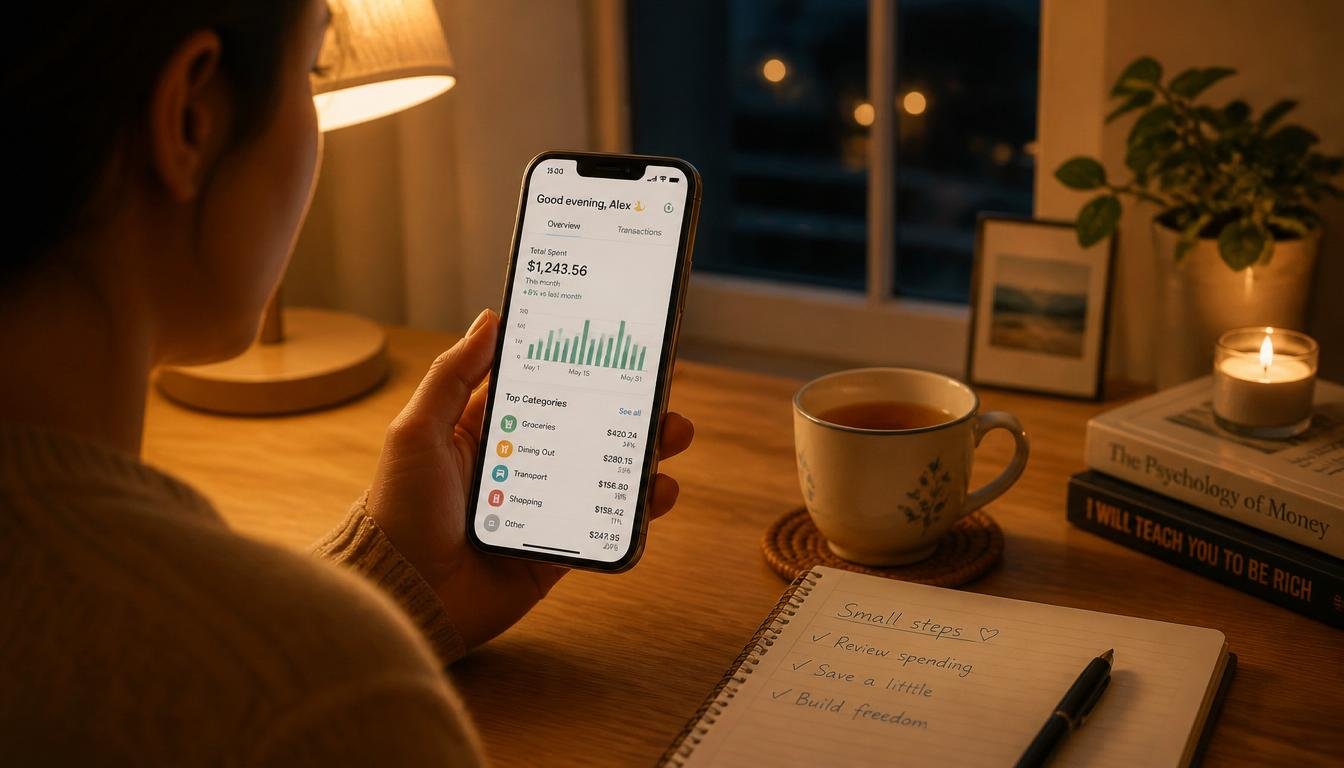
You do not need a perfect system from day one. Start with whatever feels manageable. A notebook. A simple spreadsheet. A free app. The tool matters less than the habit of using it regularly and reviewing what it tells you.
Pick one method from this article today and commit to it for 30 days. That single month of consistent recording will show you more about your spending than years of guessing ever could.
Related Articles
- Best Passive Income Ways to Earn Extra Cash
- Simple Budgeting Tips to Master Budget Planning and Tracking
- Retirement Planning Made Easy: Secure Your Golden Years
Frequently Asked Questions
It helps you see exactly where your money is going, identify overspending patterns, build a realistic budget, and make more intentional decisions about how you spend each month.
Expense tracking means recording every purchase you make so you have a clear picture of where your money goes. It can be done with a notebook, a spreadsheet, or a dedicated app.
Expenses can be recorded in a paper notebook, a spreadsheet like Excel or Google Sheets, a mobile app, or accounting software like QuickBooks or Wave. The best option is whichever one you will actually use consistently.
Write down or record every purchase daily, group them into categories like food, transport, and bills, then review totals at the end of each week and month. Compare to your budget and adjust where needed.
Connect your bank account to QuickBooks, and it will import transactions automatically. You review and categorize each one, then use the built-in reports to see your spending patterns by category, date, or vendor.






- Be Respectful
- Stay Relevant
- Stay Positive
- True Feedback
- Encourage Discussion
- Avoid Spamming
- No Fake News
- Don't Copy-Paste
- No Personal Attacks
- Be Respectful
- Stay Relevant
- Stay Positive
- True Feedback
- Encourage Discussion
- Avoid Spamming
- No Fake News
- Don't Copy-Paste
- No Personal Attacks
